


Why Do We Need Two-Wheeled Electric Vehicles?
Two-wheeled electric vehicles have become a practical transportation option for everyday travel. From commuting to work to running errands and making short trips around town, they offer a convenient alternative to cars and other motor vehicles. Their popularity is largely driven by their flexibility, relatively low operating costs, and suitability for urban transportation.
Although traffic safety and responsible riding remain important concerns, these challenges do not diminish the practical value of two-wheeled electric vehicles. Understanding their benefits helps explain why they continue to play an important role in modern transportation
 .
1. Convenient for Short Trips and Daily Commuting
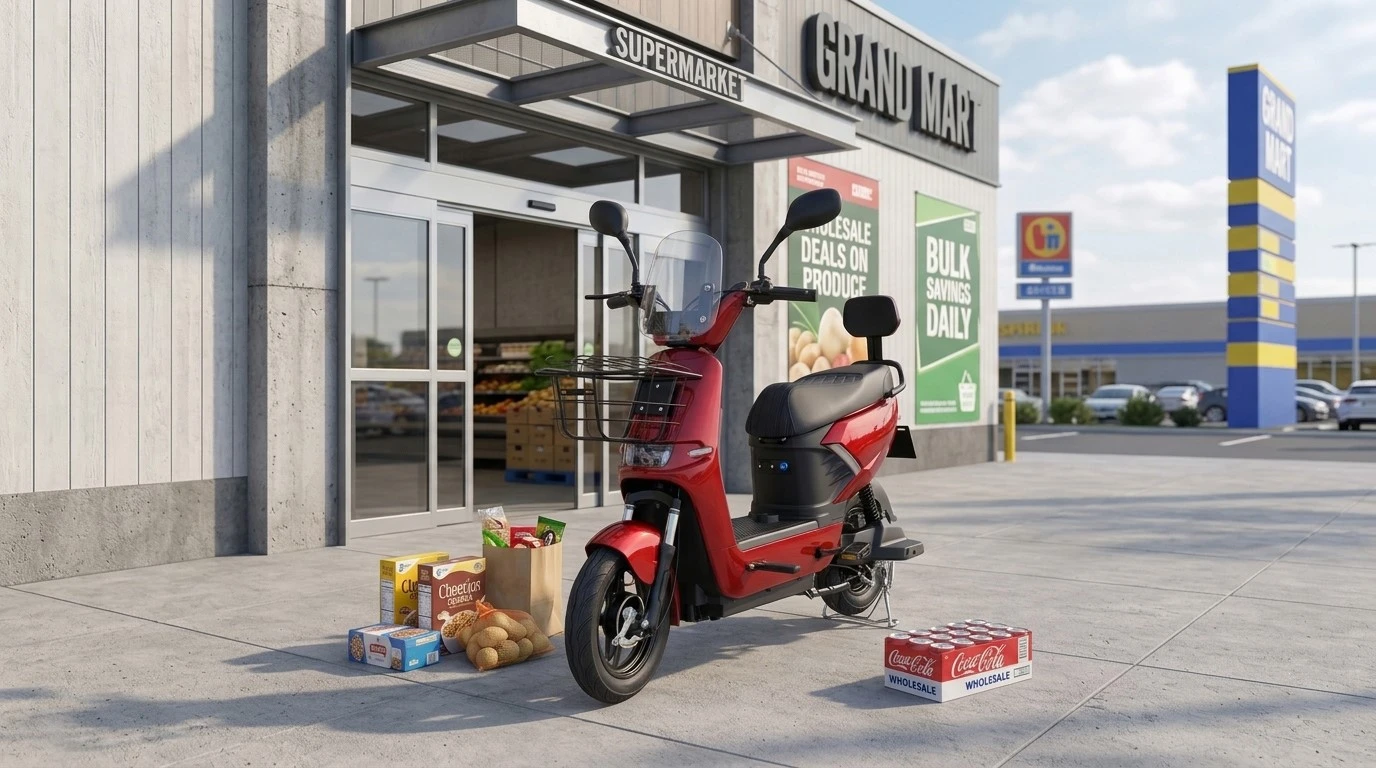
One of the main reasons we need two-wheeled electric vehicles is their convenience. They are well suited to short-distance travel, including commuting to work, shopping, and traveling between nearby destinations.
Their compact size makes them easier to maneuver through many urban streets than larger vehicles. In areas with heavy traffic, an electric bike or electric motorcycle can provide a practical option for everyday journeys, subject to local traffic regulations.
Parking is another advantage. Two-wheeled electric vehicles generally require less parking space than cars, making them easier to accommodate in residential areas, workplaces, and busy commercial districts. Riders must still follow local parking rules and use designated spaces where required.
2. Lower Operating Costs and More Energy-Efficient Travel
Cost is another important reason people choose two-wheeled electric vehicles. Depending on the model, purchase price, electricity rates, and maintenance requirements, an electric bike or electric motorcycle can cost less to operate than a car.
Electric vehicles do not require gasoline for propulsion, and their maintenance needs differ from those of conventional gasoline-powered vehicles. However, batteries, tires, brakes, and other components still require regular inspection and replacement when necessary.
Two-wheeled electric vehicles can also support more energy-efficient transportation, particularly when they replace short car journeys. Their overall environmental impact depends on factors such as electricity generation, battery production, vehicle lifespan, and disposal or recycling practices.
For commuters looking for a practical alternative to driving, these cost and energy considerations can make electric two-wheelers an attractive option.
3. Different Models for Different Transportation Needs
Two-wheeled electric vehicles are available in several categories, each designed for different uses.
Electric bicycles typically combine an electric motor with bicycle-style operation. Depending on local regulations, they may be suitable for commuting, neighborhood travel, and recreational riding.
Electric motorcycles are designed for riders who need a motorcycle-style vehicle for daily transportation. Their power, speed, battery capacity, and riding range vary by model.
Electric scooters offer another option for short urban journeys, although their legal classification and permitted use differ between markets.
This variety allows riders, retailers, and distributors to select vehicles according to local regulations, road conditions, customer preferences, and intended applications. When choosing a model, buyers should consider battery capacity, motor power, range, braking performance, and local road-use requirements.
4. Suitable for Many Urban Transportation Scenarios
Two-wheeled electric vehicles can serve different transportation needs in cities and surrounding communities. Office workers may use them for daily commuting, while residents may rely on them for shopping and other nearby trips.
They can also be useful in locations where narrow streets, limited parking, or frequent short journeys make larger vehicles less practical. In some markets, electric two-wheelers are used for local delivery and other business applications, depending on vehicle specifications and local regulations.
However, not every electric two-wheeler is suitable for every road or terrain. Climbing ability, load capacity, range, and handling depend on the specific vehicle and operating conditions. Buyers should select a model that matches its intended use rather than assuming all electric two-wheelers offer the same capabilities.
5. A Practical Option for Changing Mobility Needs
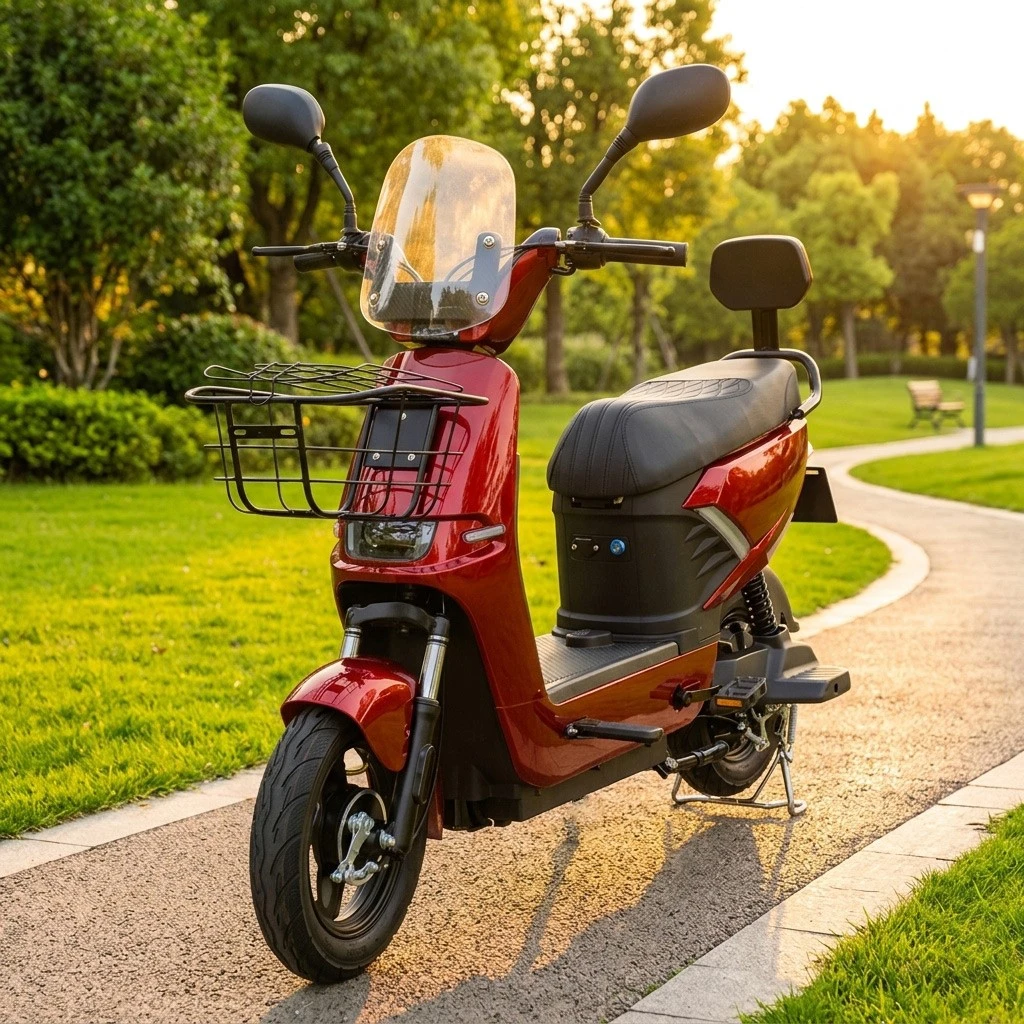
The need for two-wheeled electric vehicles comes down to practical transportation requirements. They offer a combination of compact design, convenient parking, relatively low running costs, and a wide choice of models.
For individuals, they can make short daily journeys more manageable. For businesses, they may provide suitable transportation options for local delivery, rental operations, and other applications when the vehicle meets the relevant requirements.
Two-wheeled electric vehicles are not a complete replacement for cars or public transportation. Instead, they serve a specific role in the wider mobility system by providing an alternative for journeys where a compact electric vehicle is practical
 .
Frequently Asked Questions
Why are two-wheeled electric vehicles popular?
They are popular because they are compact, convenient for short trips, relatively economical to operate, and available in different models for commuting and other everyday transportation needs.
Are two-wheeled electric vehicles cheaper to operate than cars?
They can be cheaper to operate, particularly for short journeys, because they use electricity instead of gasoline and may require less routine maintenance. Actual costs depend on electricity prices, battery replacement, maintenance, and vehicle use.
What types of two-wheeled electric vehicles are available?
Common types include electric bicycles, electric motorcycles, and electric scooters. Their specifications, legal classifications, and permitted road use vary by market.
Are two-wheeled electric vehicles environmentally friendly?
They have no tailpipe emissions during operation and may use less energy per trip than a car. However, their overall environmental impact also depends on electricity sources, battery manufacturing, vehicle lifespan, and end-of-life management.
What should buyers consider when choosing an electric two-wheeler?
Buyers should compare motor power, battery capacity, riding range, braking systems, load capacity, maintenance requirements, and compliance with local regulations before selecting a model.
Conclusion
Two-wheeled electric vehicles meet the need for convenient, flexible, and potentially cost-effective transportation. Their compact size and variety of models make them suitable for many short-distance journeys, while their practical benefits can serve both individual riders and certain business applications. Choosing the right vehicle depends on its intended use, technical specifications, and the regulations of the target market.


