


How Often Should You Replace a Two-Wheeled Electric Vehicle?
A two-wheeled electric vehicle does not have a fixed replacement schedule. Its service life depends on how often it is used, road conditions, build quality, battery condition, and regular maintenance.
As a general guideline, a well-maintained electric bike, electric scooter, or electric motorcycle may remain in service for several years. Some riders may consider replacing their vehicle after three to five years, while vehicles used heavily on rough roads may require major repairs or replacement sooner. These timeframes are estimates, not universal service-life standards.
Rather than replacing an electric two-wheeler based on age alone, riders should assess its battery performance, mechanical condition, safety, and repair costs.
1. How Riding Frequency and Road Conditions Affect Service Life
Frequent riding and demanding road conditions can accelerate wear on an electric two-wheeler. Daily commuting, repeated acceleration and braking, heavy loads, and regular uphill riding place additional demands on the battery, motor, brakes, tires, and suspension.
Riding on uneven roads can also increase wear on the frame, wheels, and other mechanical components. Over time, these factors may lead to more frequent maintenance and repairs.
For riders who use their electric vehicles intensively, replacing the vehicle after two to three years may be worth considering if major components have deteriorated or repair costs have become excessive. However, a heavily used vehicle does not automatically need replacement at that age if it remains safe and economical to maintain.
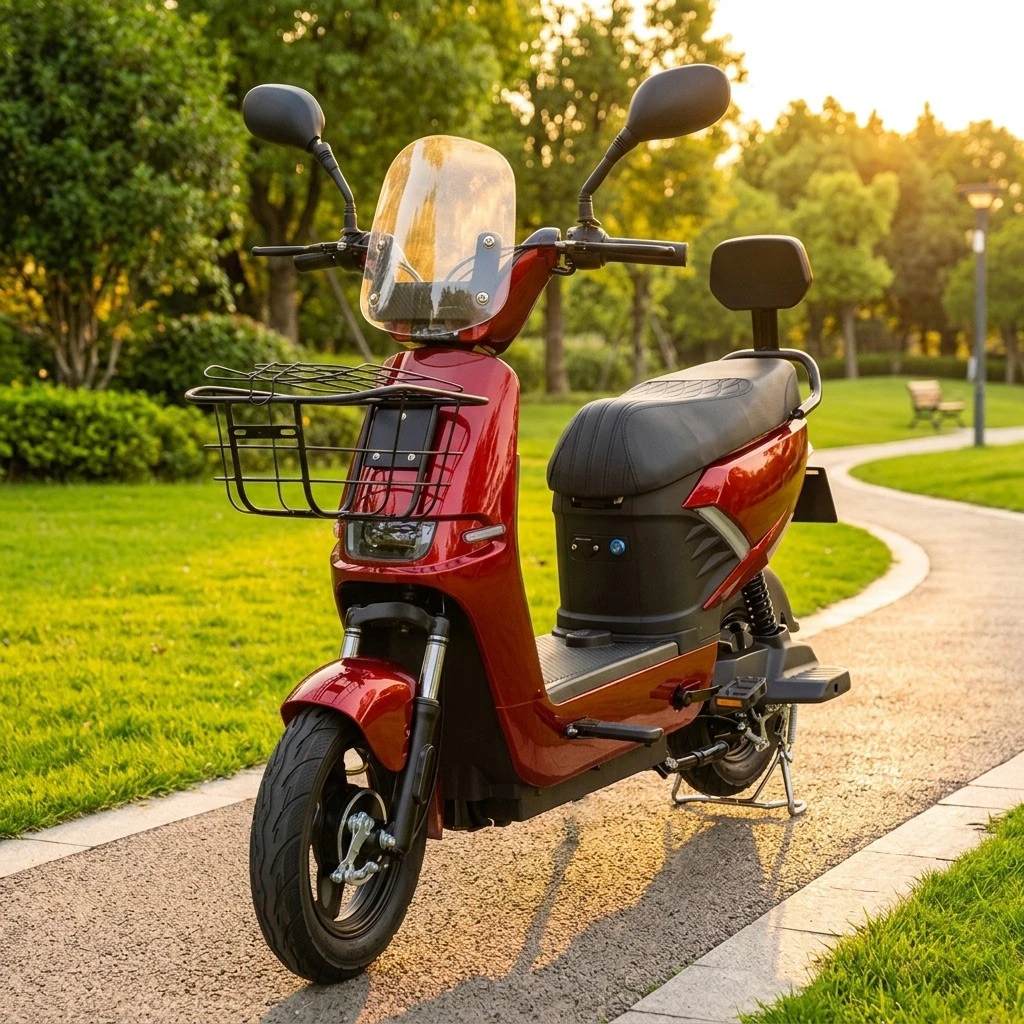
Regular inspections and appropriate maintenance can help identify problems early and extend the vehicle's useful service life
 .
2. Battery Condition Is a Key Factor
Battery performance is one of the most important considerations when deciding whether to replace a two-wheeled electric vehicle.
As a battery ages, its capacity may gradually decline. Riders may notice a shorter riding range, more frequent charging, or reduced performance under demanding conditions. Battery degradation varies depending on battery chemistry, charging habits, operating temperature, storage conditions, and usage intensity.
If the battery no longer provides enough range for daily travel, replacing the battery may be a more economical option than buying an entirely new vehicle.
Before making a decision, riders should check whether the battery can be replaced, whether compatible replacement batteries are available, and how much the repair will cost. If the battery, motor, controller, and other major components all require attention, replacing the complete vehicle may be more practical.
3. Vehicle Quality and Maintenance Matter
The quality of the vehicle and its components also affects how long it can remain in service. Differences in frame construction, electrical components, battery quality, and overall assembly can influence durability and maintenance requirements.
Common problems that may develop over time include frame corrosion, damaged body panels, loose electrical connections, worn tires, and deteriorating brake components. Some issues are relatively simple to repair, while others may affect the vehicle's safety or require expensive replacement parts.
A vehicle that receives regular maintenance may remain usable for longer than one that is frequently overloaded or poorly maintained. Riders should pay particular attention to the braking system, tires, electrical connections, battery condition, and signs of structural damage.
If a safety-critical component cannot be repaired reliably, the vehicle should not continue to be used until the problem has been addressed.
4. When Is It Worth Upgrading to a New Electric Two-Wheeler?
Technology can be another reason to replace an older electric two-wheeler. Newer models may offer improvements in battery technology, riding range, braking systems, security features, or overall usability.
However, newer technology alone is not a reason to replace a vehicle that remains safe, reliable, and suitable for its intended use.
For riders whose transportation needs have changed, an upgrade may make sense. For example, someone who previously traveled short distances may now need a longer riding range or a vehicle with greater load capacity. In these cases, choosing a model that better matches current requirements can be worthwhile.
The decision should be based on practical benefits rather than age alone.
5. Repair or Replace: How to Make the Right Decision
Before replacing an electric bike, electric scooter, or electric motorcycle, compare the cost of repairs with the cost of purchasing a suitable replacement.
Consider the following factors:
Battery condition: Does the battery still provide sufficient range for regular journeys?
Mechanical condition: Are the frame, brakes, tires, wheels, and suspension in good condition?
Repair costs: Are repairs affordable, and are replacement parts readily available?
Safety: Can any faults affecting braking, steering, structural integrity, or electrical safety be repaired reliably?
Changing needs: Does the current vehicle still meet your requirements for range, performance, and carrying capacity?
If the vehicle only needs a battery replacement or routine maintenance, repairing it may be the better choice. If it has repeated major failures, serious structural damage, or repair costs approaching the price of a suitable replacement, buying a new vehicle may be more economical.
Frequently Asked Questions
How many years does a two-wheeled electric vehicle last?
There is no single lifespan that applies to every electric two-wheeler. Usage frequency, battery condition, build quality, road conditions, and maintenance all affect how long a vehicle remains practical and safe to use.
Should I replace my electric bike after three years?
Not necessarily. If the battery still meets your range requirements and the vehicle remains safe and reliable, continued use may be reasonable. Consider replacement if performance has declined significantly, major components are failing, or repair costs have become excessive.
How long does an electric two-wheeler battery last?
Battery life depends on its chemistry, quality, charging practices, temperature, and usage patterns. Rather than relying on a fixed number of years, monitor changes in riding range, charging behavior, and performance, and follow the manufacturer's battery maintenance recommendations.
Is it better to replace the battery or buy a new electric vehicle?
Replacing the battery may be more cost-effective when the rest of the vehicle is in good condition. Buying a new vehicle may make more sense when several major components need replacement or the existing vehicle no longer meets your transportation needs.
What are the signs that an electric two-wheeler needs replacing?
Warning signs include repeated expensive repairs, insufficient range despite a suitable battery replacement, serious structural damage, and major faults that cannot be repaired reliably. Safety-related problems should be assessed before the vehicle is used again.
Conclusion
The right time to replace a two-wheeled electric vehicle depends on its actual condition rather than a fixed number of years. Battery performance, riding habits, road conditions, vehicle quality, and maintenance all influence its useful service life.
Regular inspections and timely repairs can help extend that life. When maintenance becomes expensive, performance no longer meets daily needs, or safety cannot be assured, replacing the vehicle may be the more practical choice.


