


Electric Tricycle vs. Gas-Powered Three-Wheeler: Pros and Cons
Electric tricycles and gas-powered three-wheelers serve different transportation needs. Electric models are often considered for short-distance travel, neighborhood use, and local deliveries, while gas-powered three-wheelers may suit users who need longer operating periods or stronger performance for certain applications.
The right choice depends on travel distance, load requirements, operating costs, road conditions, and local regulations. Understanding the advantages and disadvantages of each type can help individual users and commercial buyers make a more informed decision.
1. Advantages of Electric Tricycles
Lower Operating Costs
Electric tricycles use rechargeable batteries rather than gasoline. Depending on local electricity and fuel prices, charging may cost less than refueling a comparable gas-powered vehicle. Electric models also have fewer engine-related maintenance requirements.
Actual savings depend on battery life, electricity prices, usage frequency, and maintenance needs.
Convenient for Short Trips
Electric tricycles can be suitable for grocery shopping, neighborhood transportation, and other short-distance journeys. Some models feature compact dimensions, making them convenient for navigating and parking in smaller spaces.
Cargo versions can also support local delivery and small-scale transportation, provided the goods remain within the vehicle's rated load capacity.
Quieter Operation
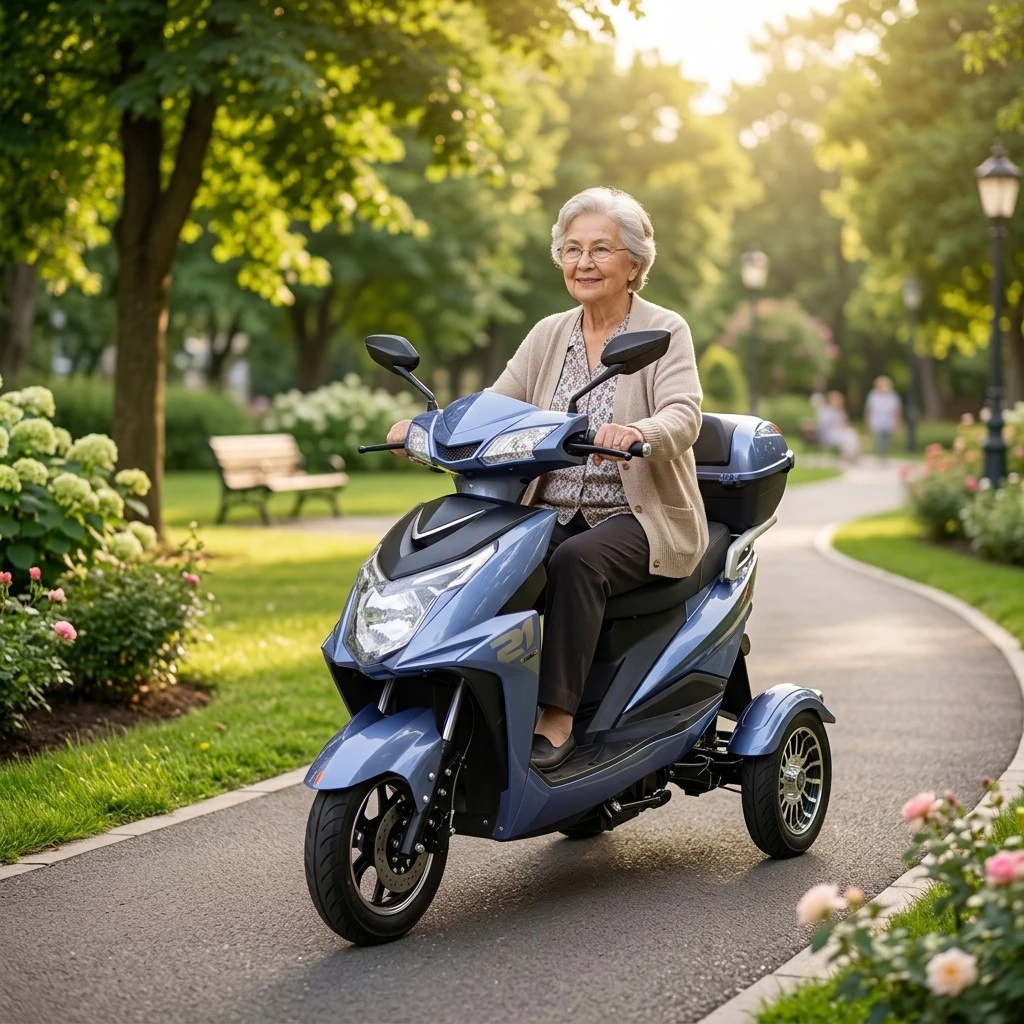
Electric motors generally produce less operating noise than combustion engines. This can be an advantage for residential areas and businesses that operate in noise-sensitive environments.
Electric tricycles also produce no tailpipe emissions while driving, although their overall environmental impact depends on electricity generation, battery production, and battery disposal.
2. Disadvantages of Electric Tricycles
Range Depends on Battery Capacity
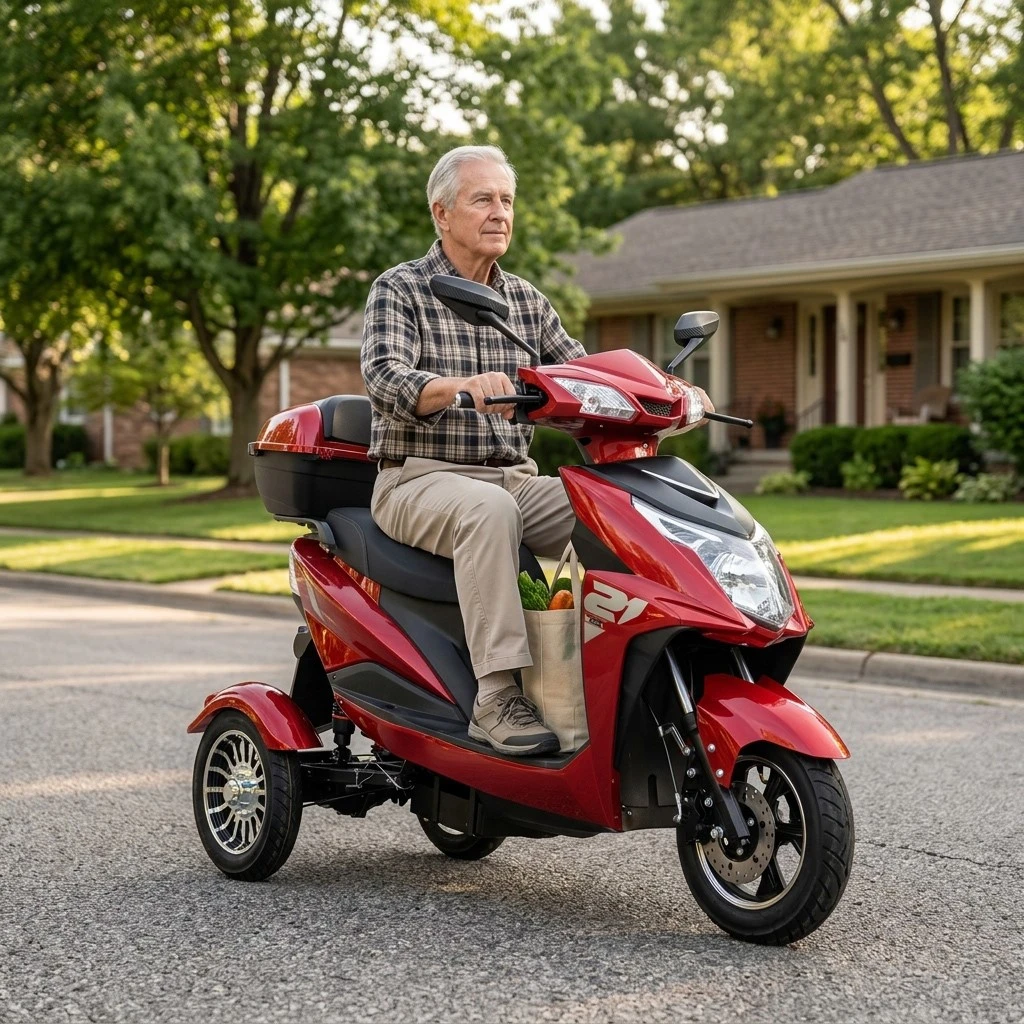
An electric tricycle's travel range depends on battery capacity, motor efficiency, vehicle load, road conditions, speed, and riding habits. Models with smaller batteries may be better suited to local trips than long-distance transportation.
Users who travel frequently or carry heavy loads should compare the manufacturer's range estimates with their actual operating requirements and charging options.
Performance Varies by Model
Some electric tricycles are designed mainly for low-speed transportation and light cargo, so they may not offer the performance required for demanding terrain or heavier loads.
However, electric tricycles are available with different motor and battery configurations. Buyers should evaluate the actual specifications rather than assuming all electric models have limited power.
3. Advantages of Gas-Powered Three-Wheelers
Suitable for Certain Demanding Applications
Gas-powered three-wheelers may offer advantages in applications that require sustained operation or a longer journey without stopping to recharge. Depending on the engine and vehicle design, some models can also provide suitable performance for uneven roads and demanding working conditions.
Actual capability depends on engine output, gearing, suspension, tires, and the vehicle's intended use.
Cargo Capacity for Commercial Use
Some gas-powered three-wheelers are designed for transporting goods, making them useful for agricultural work, market deliveries, and other commercial tasks.
However, a gas-powered vehicle does not automatically carry more cargo than an electric model. Buyers should compare rated payload, cargo-bed dimensions, and applicable weight limits.
4. Disadvantages of Gas-Powered Three-Wheelers
Higher Fuel and Maintenance Costs
Gas-powered three-wheelers require gasoline and routine engine maintenance. Depending on local fuel prices, distance traveled, and service requirements, operating costs may be higher than those of an electric tricycle.
Engine oil changes, fuel-system maintenance, and other combustion-engine servicing can also add to ownership costs.
Exhaust Emissions and Noise
Combustion engines produce exhaust emissions while operating and generally make more engine noise than electric motors. These factors may be important for users working in residential areas or looking to reduce local air pollution.
Licensing and Road-Use Requirements
Gas-powered three-wheelers may be subject to motorcycle or other vehicle licensing, registration, insurance, and road-use requirements. The exact rules depend on the destination country and vehicle classification.
Electric tricycles can also require registration or a driving licence in some jurisdictions. Buyers should confirm local regulations before purchasing or importing either type.
5. Electric Tricycle vs. Gas-Powered Three-Wheeler: Key Differences
| Comparison | Electric Tricycle | Gas-Powered Three-Wheeler |
|---|---|---|
| Energy source | Rechargeable battery | Gasoline |
| Operating noise | Generally quieter | Generally louder |
| Routine maintenance | Fewer engine-related service needs | Requires combustion-engine maintenance |
| Travel range | Depends on battery capacity and charging access | Depends on fuel-tank capacity and fuel consumption |
| Refueling or charging | Requires charging time | Usually quicker to refuel |
| Best-suited applications | Many short trips and local transportation tasks | Some longer trips and sustained-use applications |
| Cargo capacity | Depends on vehicle design and rated payload | Depends on vehicle design and rated payload |
| Local requirements | Vary by vehicle classification and location | Vary by vehicle classification and location |
6. Which Three-Wheeler Should You Choose?
An electric tricycle may be a suitable option if you mainly travel short distances, want quieter operation, and have convenient access to charging. It may also appeal to businesses that perform frequent local deliveries and want to evaluate electricity costs against fuel expenses.
A gas-powered three-wheeler may be worth considering if your work involves longer journeys, limited charging access, or operating conditions that suit a particular combustion-engine model.
Before choosing, compare the total cost of ownership, including purchase price, energy costs, maintenance, expected battery or engine lifespan, load capacity, and regulatory requirements.
For importers, distributors, and wholesalers, matching the vehicle to the target market and intended application is more important than assuming one power system is always better than the other.
Frequently Asked Questions
Is an electric tricycle cheaper to operate than a gas-powered three-wheeler?
It can be, particularly when electricity costs less than gasoline for the same amount of work. However, the total cost depends on local energy prices, battery replacement, maintenance, and usage patterns.
Which type is better for carrying goods?
Both electric and gas-powered three-wheelers are available for cargo transportation. The better choice depends on rated payload, cargo space, motor or engine performance, travel distance, and road conditions.
Are electric tricycles suitable for long-distance travel?
Some models can cover longer distances, but suitability depends on battery capacity, actual range, charging availability, and rider requirements. Buyers should check the specifications and plan charging stops where necessary.
Do gas-powered three-wheelers require a driving licence?
Licensing requirements depend on the country, local laws, and the vehicle's classification. Always check the applicable rules before riding or importing a vehicle.
Conclusion
Electric tricycles and gas-powered three-wheelers each have advantages and limitations. Electric models can be attractive for short-distance transportation, quieter operation, and potentially lower energy costs. Gas-powered models may suit certain applications requiring sustained operation or convenient refueling.
The best choice depends on the intended use, operating environment, cargo requirements, total ownership costs, and local regulations.


