

Electric Two-Wheel Motorcycle vs Three-Wheel Electric Motorcycle: Key Differences
Electric two-wheel motorcycles and three-wheel electric motorcycles differ in vehicle structure, performance, handling, applications, and stability. Two-wheel electric motorcycles are generally designed for personal transportation and daily commuting, while three-wheel electric motorcycles offer additional support and more space for carrying goods.
Understanding these differences helps buyers, importers, and distributors choose the right electric motorcycle models for their target markets.
1. Vehicle Structure and Stability
The most obvious difference between electric two-wheel motorcycles and three-wheel electric motorcycles is their wheel configuration.
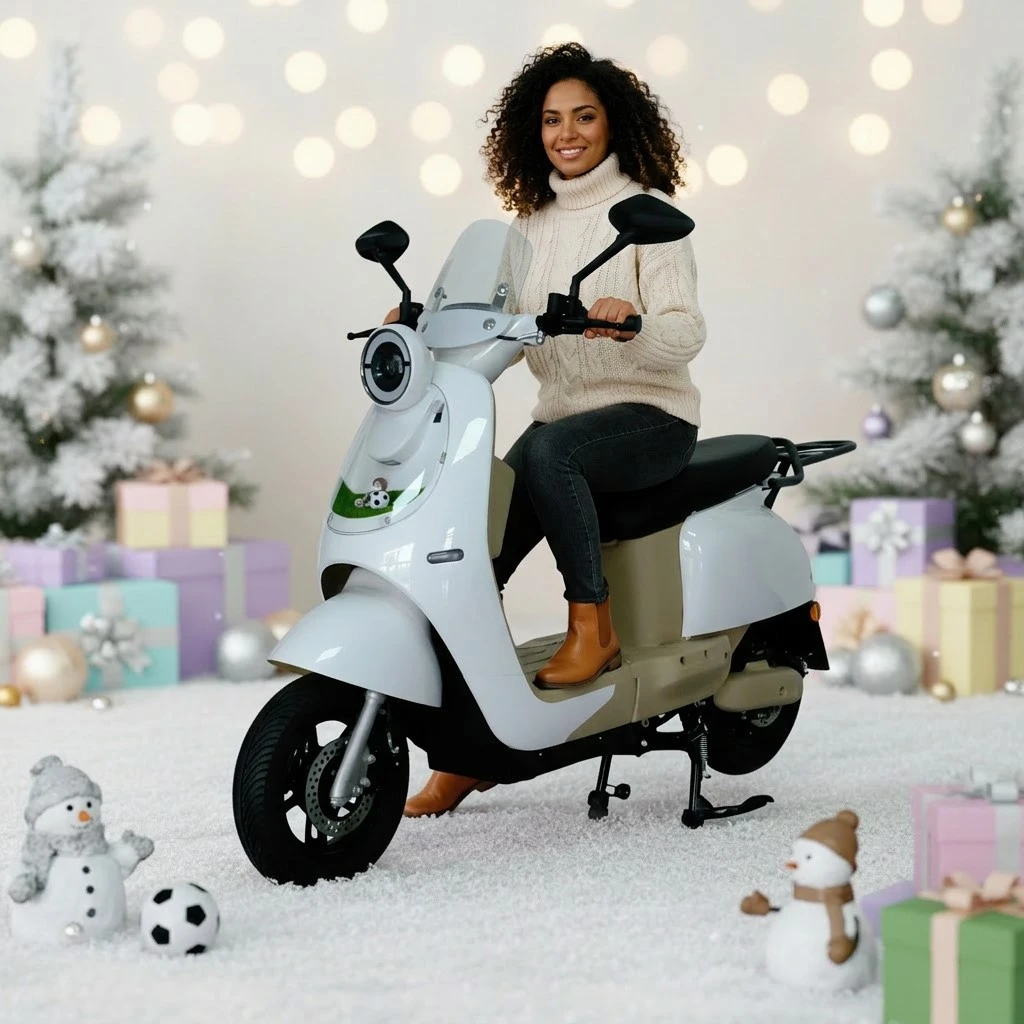
An electric two-wheel motorcycle has two wheels and a relatively narrow body. Its compact structure makes it easier to move through narrow streets and traffic. However, riders need to maintain balance while riding and when stopping.
An electric three-wheel motorcycle has three wheels, providing an additional support point. It generally offers better stability when parked and at low speeds. However, its wider body may require more parking space and room to maneuver.
2. Motor Power and Speed
Motor power and maximum speed depend on the vehicle's motor, battery, weight, and overall configuration.
Electric two-wheel motorcycles are often designed for flexible road use, with configurations that support responsive acceleration and higher-speed riding.
Three-wheel electric motorcycles are often designed with stability, carrying capacity, and practical transportation in mind. Their speed and power vary depending on the model and intended application.
When comparing these two vehicle types, buyers should check the motor power, battery voltage, battery capacity, maximum speed, and vehicle load rather than judging performance by the number of wheels alone
 .
3. Applications and Usage
Electric two-wheel motorcycles are commonly used for personal transportation, daily commuting, and short-distance travel. Their compact structure makes them suitable for urban roads and situations where flexible handling is important.
Three-wheel electric motorcycles have a wider range of applications. In addition to personal transportation, they are often used for small-scale cargo delivery and local goods transportation.
For example, small businesses, retailers, and delivery operators may choose three-wheel electric motorcycles when they need additional cargo space for transporting products and supplies.
The choice depends on whether the main priority is personal mobility or practical transportation with additional carrying capacity.
4. Riding and Handling Differences
Electric two-wheel motorcycles require riders to maintain balance while moving and turning. Their relatively compact structure allows flexible steering and maneuvering, making them suitable for navigating urban traffic.
Three-wheel electric motorcycles have an additional wheel for support, which can make standing and low-speed operation easier. However, their larger body and different turning characteristics require riders to pay attention to vehicle width, turning radius, and road conditions.
When turning, riders should control their speed and avoid sudden steering movements, especially when the vehicle is carrying a load.
5. Safety and Riding Stability
Safety is another important consideration when comparing electric two-wheel motorcycles and three-wheel electric motorcycles.
Two-wheel motorcycles rely on the rider's balance and steering control. Their narrow structure makes them easier to maneuver, but sudden braking, slippery roads, and sharp turns require careful handling.
Three-wheel electric motorcycles generally provide better support when stationary and can offer greater stability at low speeds. However, three wheels do not automatically mean better crash protection. Vehicle weight distribution, braking performance, tire condition, suspension, and frame construction also affect safety.
For both vehicle types, buyers should pay attention to the braking system, tire quality, suspension design, and overall vehicle construction.
6. Which Electric Motorcycle Should You Choose?
The right choice depends on the intended application and transportation requirements.
An electric two-wheel motorcycle may be more suitable for:
Personal daily commuting.
Short-distance urban transportation.
Riders who need flexible handling.
Businesses targeting individual motorcycle users.
A three-wheel electric motorcycle may be more suitable for:
Local goods transportation.
Small business delivery operations.
Users who need additional cargo space.
Businesses serving customers with practical transportation needs.
For importers and distributors, understanding local customer demand is essential when selecting electric two-wheel and three-wheel motorcycle models.
Frequently Asked Questions
Is a three-wheel electric motorcycle more stable than a two-wheel electric motorcycle?
A three-wheel electric motorcycle generally offers better support when stationary and at low speeds because it has an additional wheel. However, stability during cornering also depends on the vehicle's design, center of gravity, suspension, and load distribution.
Which is faster, a two-wheel or three-wheel electric motorcycle?
There is no fixed answer. Maximum speed depends on motor power, battery configuration, vehicle weight, and controller settings. Some two-wheel models are designed for higher speeds, but performance varies between models.
Are three-wheel electric motorcycles suitable for cargo delivery?
Yes. Three-wheel electric motorcycles are commonly used for local cargo transportation and small business deliveries because they can offer more space for carrying goods than typical two-wheel models.
Is a two-wheel electric motorcycle easier to maneuver?
Generally, yes. Its narrower body and compact structure make it easier to navigate narrow streets and tight spaces. However, riders need to maintain balance and develop proper riding skills.
What should buyers consider when choosing an electric motorcycle?
Buyers should consider the intended application, motor power, battery capacity, maximum speed, vehicle dimensions, load capacity, braking system, and local road regulations. These factors help determine whether a two-wheel or three-wheel electric motorcycle is more suitable for the target market.
Conclusion
The main difference between electric two-wheel motorcycles and three-wheel electric motorcycles lies in their structure, handling, stability, and applications. Two-wheel models are generally better suited to personal transportation and flexible urban riding, while three-wheel models offer additional support and are often used for local cargo delivery and practical transportation.
For buyers, importers, and distributors, the best choice depends on local market demand, vehicle specifications, and the intended use of the electric motorcycle.


