

What Is the Difference Between OEM and ODM?
OEM and ODM are two common manufacturing models used by businesses that work with factories to develop and produce products. The main difference is who is responsible for product design and development.
OEM (Original Equipment Manufacturer) focuses on manufacturing products according to the buyer's designs and specifications. ODM (Original Design Manufacturer) includes product design and manufacturing, allowing buyers to use the manufacturer's existing designs or customized development solutions.
For importers, wholesalers, distributors, and private-label brands, understanding the difference between OEM and ODM helps them choose the right manufacturing partner, control development costs, and build their product lines.
1. What Is the Difference Between OEM and ODM?
The biggest difference between OEM and ODM is the responsibility for product design.
Under an OEM model, the buyer generally provides the product design, technical specifications, or detailed requirements. The manufacturer is responsible for producing the product according to the agreed specifications.
Under an ODM model, the manufacturer provides product design and development services as well as manufacturing. Buyers can select from existing product designs or request modifications based on their market needs.
For example, if an electric vehicle distributor already has a product design and technical specifications, they can work with an OEM factory to manufacture the vehicles. If the distributor wants to select a factory's existing model and customize its logo, colors, or certain configurations, an ODM arrangement may be more suitable.
2. OEM vs ODM: Key Differences
| Comparison | OEM | ODM |
|---|---|---|
| Product design | Mainly provided by the buyer | Provided by the manufacturer |
| Product development | Buyer-led or based on buyer specifications | Manufacturer-led |
| Manufacturing | Factory production | Factory production |
| Customization | Based on agreed product specifications | Based on existing designs or development options |
| Development investment | Buyer may need to invest more in product design and development | May reduce the need for independent product design |
| Product differentiation | Greater design control when the buyer owns or controls the design | Depends on the level of customization and design rights |
| Suitable buyers | Established brands and businesses with specific product requirements | Importers, distributors, and businesses looking for existing product solutions |
Both OEM and ODM can support private-label manufacturing. However, the available customization options, development responsibilities, and intellectual property arrangements should be confirmed with the manufacturer.
3. Differences in Product Design and Development Costs
OEM and ODM also differ in how product development is organized.
In OEM manufacturing, buyers usually have greater responsibility for product design, technical specifications, and development requirements. This may involve additional investment in engineering, product testing, and design preparation before mass production.
ODM manufacturing allows buyers to use the manufacturer's existing product designs and development capabilities. This can reduce the need to develop an entirely new product from the beginning.
However, the actual cost of either model depends on product complexity, customization requirements, order quantity, materials, and development work.
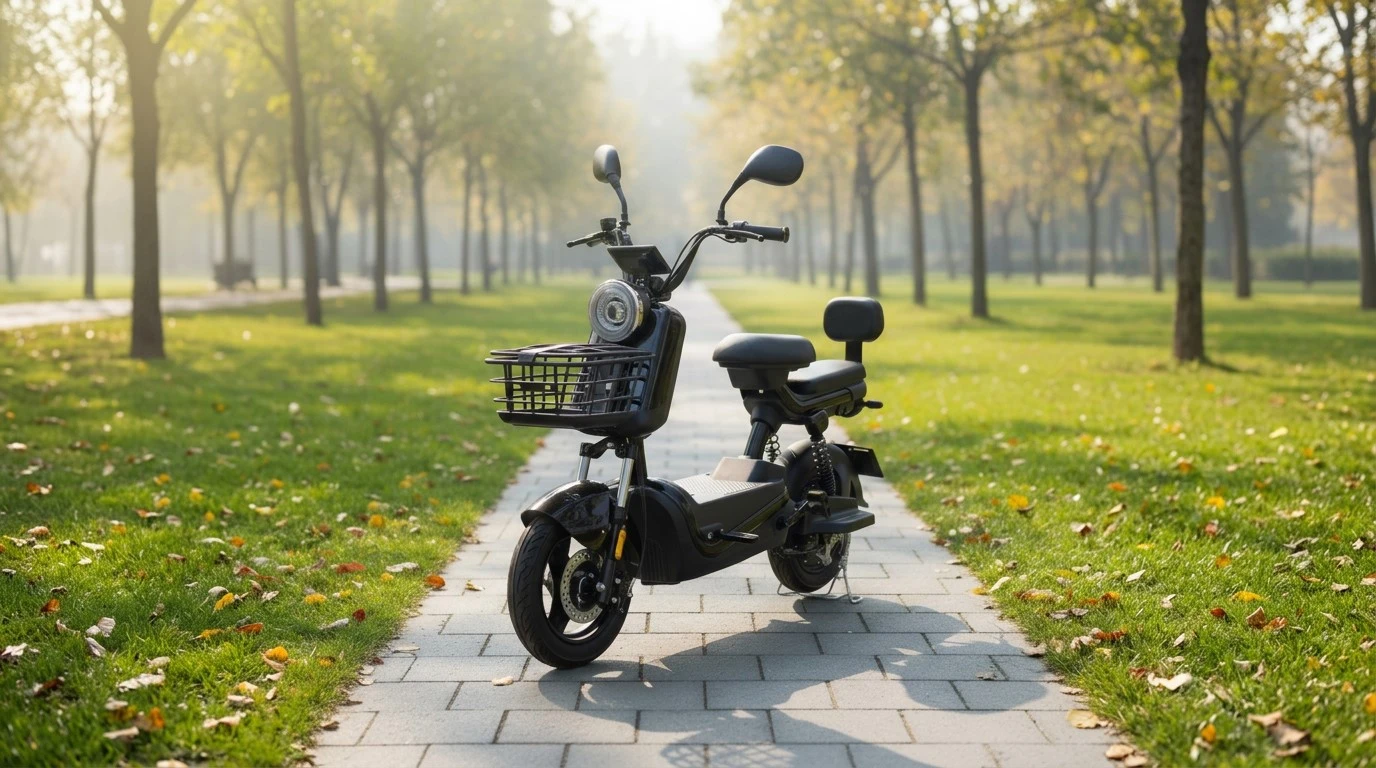
For businesses that want to enter a new market quickly, ODM may offer a more convenient starting point. For brands with specific technical requirements or established product designs, OEM may provide greater control over the final product.
4. Which Model Offers Better Product Differentiation?
Product differentiation depends on how much control a buyer has over the design, specifications, and intellectual property.
With OEM manufacturing, buyers can develop products based on their own designs and requirements. This gives them more opportunities to create distinctive product features, appearances, and configurations.
With ODM manufacturing, different buyers may select products based on the same manufacturer's existing designs. As a result, similar products may appear under different brand names.
However, ODM products are not necessarily identical. Manufacturers may offer customized colors, logos, packaging, components, and configurations to help buyers differentiate their products.
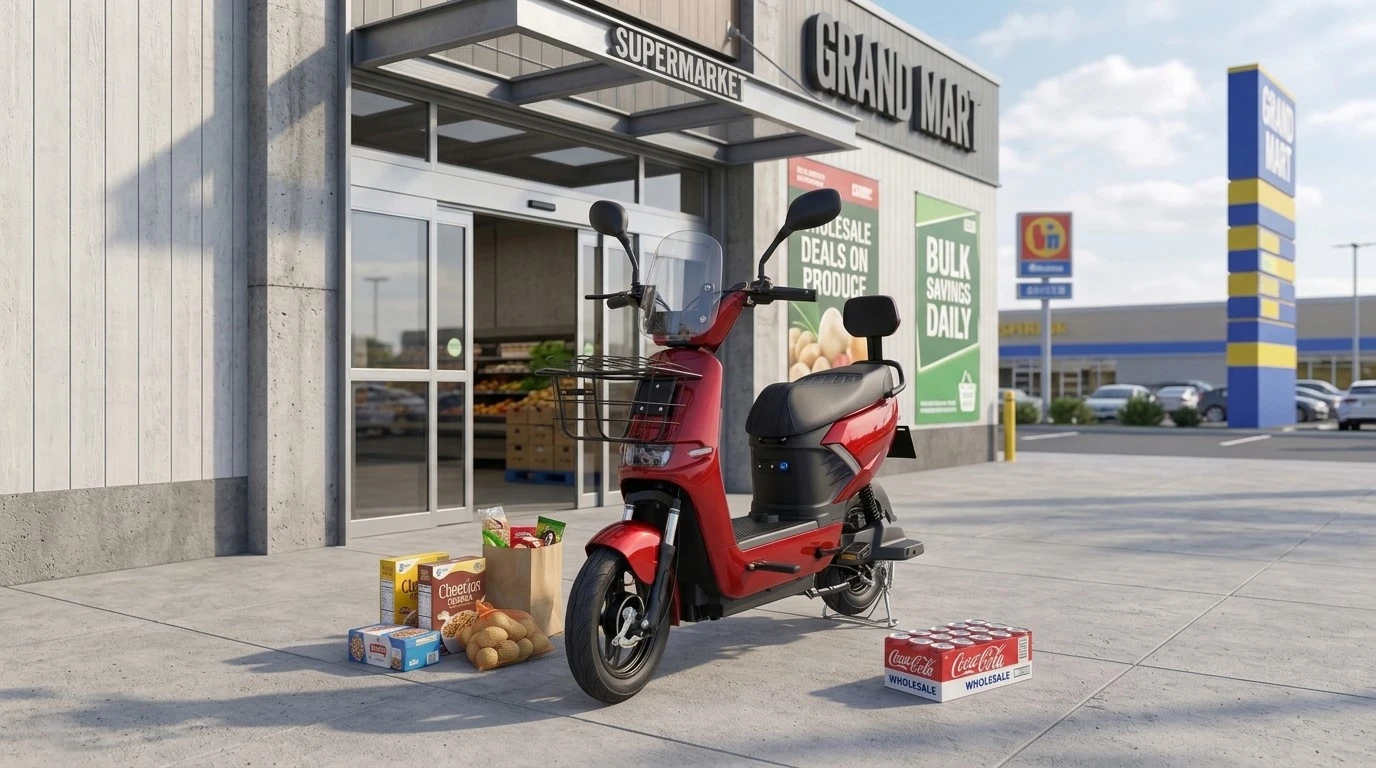
If a business requires exclusive product designs or market exclusivity, these conditions should be clearly defined in the manufacturing agreement
 .
5. OEM vs ODM in the Electric Vehicle Industry
OEM and ODM are both widely applicable to electric vehicle manufacturing, including electric motorcycles, electric scooters, electric bicycles, and electric tricycles.
For example, an electric vehicle importer may already have a specific product design, battery configuration, motor requirements, and appearance specifications. In this case, OEM manufacturing allows the factory to produce vehicles according to the buyer's requirements.
Alternatively, a distributor who wants to expand their product catalog may choose an existing electric scooter or electric motorcycle model from a manufacturer's product range. They can then discuss available customization options, such as brand logos, body colors, and product configurations. This is closer to an ODM manufacturing arrangement.
Some manufacturers also offer a combination of ODM and customization services. Buyers can start with an existing model and request modifications to selected components or product specifications, depending on the factory's capabilities.
This approach provides flexibility for businesses that want customized products without developing an entirely new vehicle.
6. How to Choose Between OEM and ODM?
The right manufacturing model depends on your product requirements, budget, development capabilities, and business goals.
Choose OEM if:
You already have product designs or detailed technical specifications.
You need greater control over product appearance and configurations.
You want to develop a distinctive product line.
You have specific product requirements that existing models cannot meet.
Choose ODM if:
You want to use existing product designs.
You need a more convenient way to develop your product range.
You want to reduce the need for independent product design.
You are an importer or distributor looking for private-label products.
Before choosing a manufacturer, buyers should also confirm the minimum order quantity (MOQ), customization options, production lead time, quality control standards, intellectual property ownership, and pricing
 .
Frequently Asked Questions About OEM and ODM
Is OEM better than ODM?
Neither model is always better. OEM is suitable for businesses that have their own product designs and specific manufacturing requirements. ODM is more suitable for buyers who want to use existing product designs and the manufacturer's development capabilities.
Can ODM products have my own brand logo?
Yes. Many ODM manufacturers support private-label customization, including logos, colors, labels, and packaging. The available options depend on the manufacturer's services and agreement.
Is ODM cheaper than OEM?
ODM may reduce initial product design and development costs because buyers can use existing designs. However, the final cost depends on customization requirements, product specifications, order quantity, and production arrangements.
Can I customize an existing ODM product?
Yes. Some manufacturers allow buyers to modify existing products, including colors, logos, components, and selected specifications. More complex modifications may require additional development work and costs.
Can OEM and ODM be combined?
Yes. Some manufacturers provide flexible manufacturing solutions that combine existing product designs with customer-specific modifications. This allows buyers to use an existing product platform while adjusting selected features to meet their market requirements.
Conclusion
The main difference between OEM and ODM is who takes responsibility for product design and development. OEM focuses on manufacturing according to the buyer's designs and specifications, while ODM provides product design and manufacturing services.
For importers, wholesalers, distributors, and private-label brands, the right choice depends on product requirements, development budgets, customization needs, and long-term business plans. Before placing an order, buyers should confirm the manufacturer's capabilities, MOQ, customization options, quality standards, and intellectual property arrangements.


