


Electric Two-Wheeler vs Three-Wheeler for Seniors: Pros and Cons
Choosing between an electric two-wheeler and an electric three-wheeler is an important decision for older adults. Both offer convenient transportation, but they differ in stability, handling, storage space, and riding requirements.
For many seniors, an electric three-wheeler may be a more suitable option because its three-wheel structure provides additional support when stopping and riding at low speeds. However, an electric two-wheeler can still be a practical choice for older adults who have good balance and prefer lightweight, flexible transportation.
The best option depends on the rider's physical condition, daily travel needs, and local road conditions.
1. Is an Electric Three-Wheeler Better for Seniors?
An electric three-wheeler can be a practical transportation option for seniors who need additional support and carrying space.
Its three-wheel structure provides a wider support base than a conventional two-wheeler. This makes it easier to keep the vehicle upright when parked and at low speeds.
Many electric three-wheelers also feature relatively simple controls, such as forward, reverse, and braking functions. Depending on the model, these features can make daily operation more convenient.
Another advantage is storage capacity. Electric three-wheelers often provide additional space for groceries, personal belongings, and other everyday items.
However, there are some limitations. Three-wheelers may require more space for parking and turning. Their larger body can also make them less convenient on narrow roads. In addition, riding stability during cornering depends on the vehicle's design, load distribution, and turning speed.
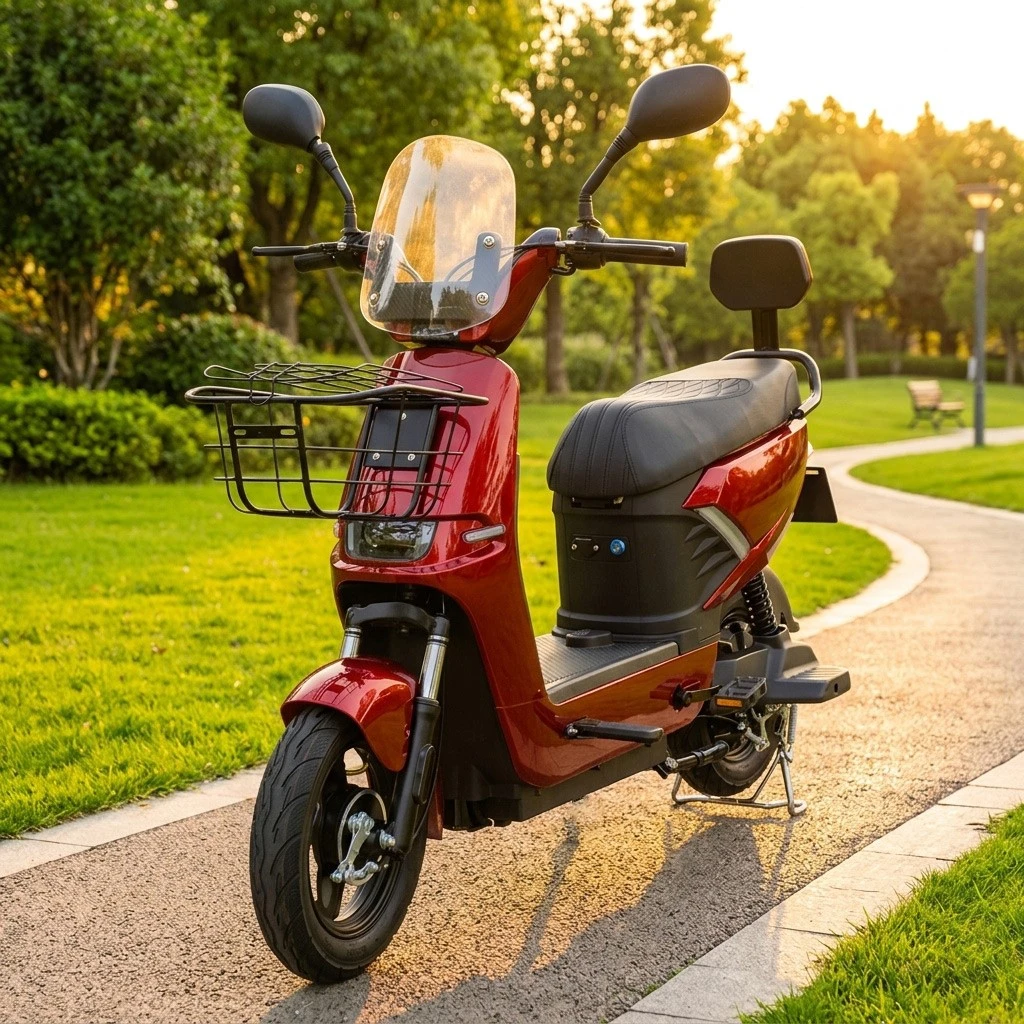
2. Advantages and Disadvantages of Electric Three-Wheelers for Seniors
Advantages
Better support when stationary: Three wheels provide additional support, reducing the need to balance the vehicle when parked.
Convenient daily operation: Some models offer simple forward, reverse, and braking controls.
More storage space: Suitable for carrying groceries, shopping bags, and everyday items.
Practical for short trips: Useful for local transportation, shopping, and visiting nearby places.
Disadvantages
Less flexible turning: A wider body and larger turning radius can make narrow streets more difficult to navigate.
Requires more parking space: Three-wheelers generally occupy more space than two-wheelers.
Cornering requires attention: Sudden turns and excessive speed may affect stability, especially when carrying heavy loads.
Speed varies by model: Some models may have lower maximum speeds than comparable two-wheel motorcycles.
3. Are Electric Two-Wheelers Suitable for Seniors?
Electric two-wheelers are lightweight and flexible, making them suitable for older adults who have sufficient balance and riding experience.
Their compact structure makes it easier to travel through narrow streets, residential areas, and crowded urban roads. They are also generally easier to park than larger three-wheelers.
Some electric two-wheelers offer higher maximum speeds than three-wheel models, depending on their motor and battery configurations. This can make them suitable for riders who need more efficient transportation on suitable roads.
However, electric two-wheelers require riders to maintain balance while moving, stopping, and turning. This may be challenging for seniors with reduced balance or physical strength.
Storage space is another limitation. Most two-wheelers have less room for groceries and personal belongings, although some models can accommodate additional storage accessories.
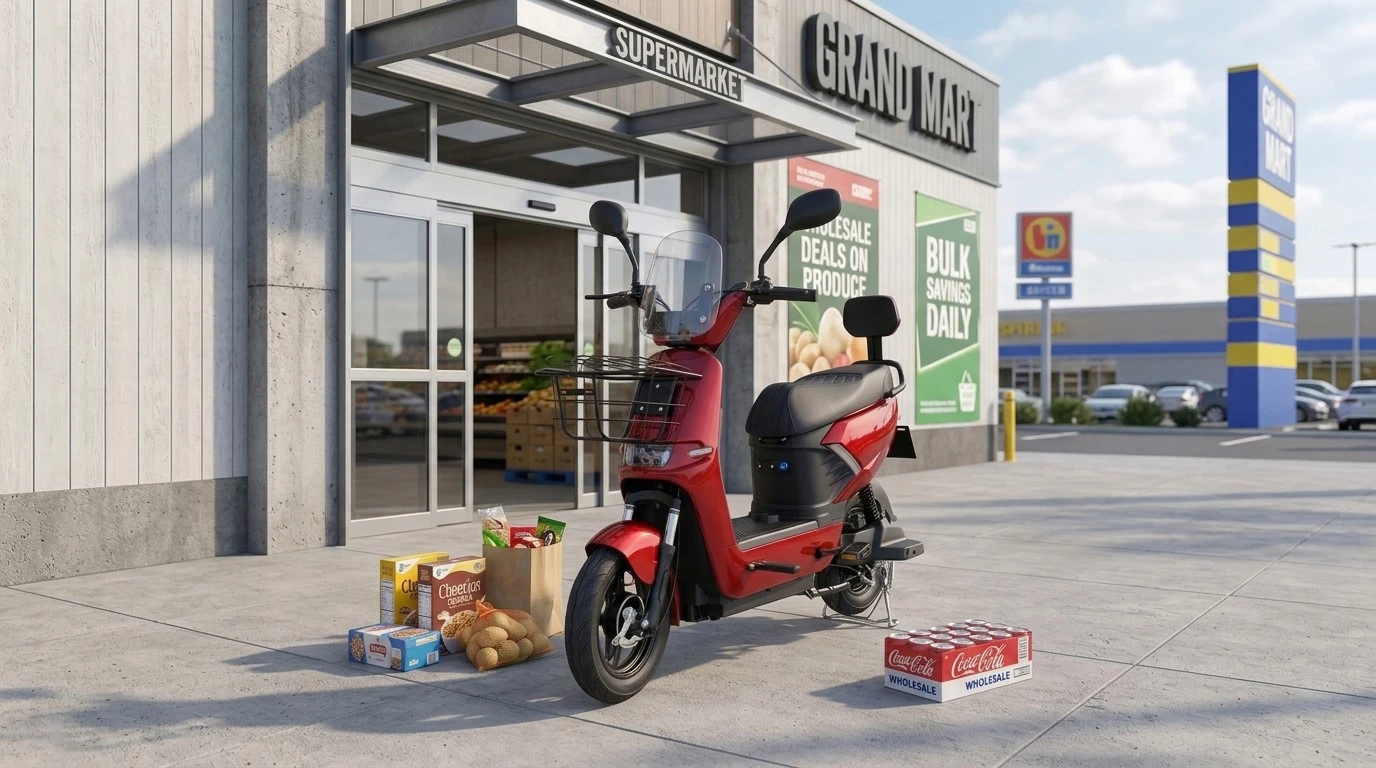
4. Advantages and Disadvantages of Electric Two-Wheelers for Seniors
Advantages
Lightweight structure: Easier to move and park compared with many larger three-wheelers.
Flexible handling: Suitable for narrow streets and crowded areas.
Convenient urban travel: Compact dimensions make everyday commuting more flexible.
Different performance options: Buyers can choose models with different motor power and battery configurations.
Disadvantages
Requires good balance: Riders need to maintain balance when starting, stopping, and turning.
Less support when parked: Unlike three-wheelers, two-wheelers cannot stand independently without a kickstand or other support.
Limited storage capacity: Less convenient for carrying groceries and larger personal items.
Requires riding experience: Seniors with reduced balance or slower reactions may find handling more difficult.
5. Electric Two-Wheeler vs Three-Wheeler: Which Is Better for Seniors?
The following comparison highlights the main differences between the two vehicle types.
| Comparison | Electric Two-Wheeler | Electric Three-Wheeler |
|---|---|---|
| Vehicle structure | Two wheels | Three wheels |
| Low-speed support | Requires balance | Additional wheel support |
| Handling | More flexible | Less flexible |
| Parking space | Usually smaller | Usually larger |
| Turning | Easier in narrow spaces | Requires more turning space |
| Storage capacity | Relatively limited | Generally larger |
| Riding requirements | Good balance needed | Different handling skills required |
| Main applications | Personal commuting | Shopping and local transportation |
For seniors who have difficulty maintaining balance, an electric three-wheeler may be worth considering. For older adults who remain physically active and prefer flexible transportation, an electric two-wheeler may be more appropriate.
Neither vehicle type is automatically safer for every rider. Braking performance, vehicle weight, seat height, tire condition, and road conditions should also be considered.
6. What Should Seniors Consider When Choosing an Electric Vehicle?
Before purchasing an electric two-wheeler or three-wheeler, older adults and their families should consider the following factors:
Riding balance: Choose a vehicle that matches the rider's ability to maintain balance and control.
Seat height: A suitable seat height makes getting on and off the vehicle easier.
Braking system: Check the braking performance and ensure the controls are easy to operate.
Vehicle weight: Consider whether the rider can comfortably handle the vehicle when parking or moving it.
Storage space: Choose a model with enough room for groceries and everyday belongings.
Road conditions: Consider whether the vehicle will mainly be used on narrow streets, residential roads, or wider roads.
Local regulations: Check vehicle classification, licensing requirements, and road-use regulations in the country where the vehicle will be used.
Frequently Asked Questions
Is a three-wheel electric vehicle safer for seniors?
A three-wheel electric vehicle generally provides better support when stationary and at low speeds. However, overall safety also depends on braking performance, vehicle design, turning speed, and road conditions.
Can elderly people ride electric two-wheelers?
Yes. Seniors who have sufficient balance, physical strength, and riding experience may be able to use electric two-wheelers. However, people with balance difficulties should carefully consider the additional riding requirements.
Are electric three-wheelers easier to operate?
Some electric three-wheelers feature simple controls and provide additional support when stopping. However, their larger body and different turning characteristics require riders to become familiar with the vehicle before regular use.
Which electric vehicle is better for seniors who go shopping frequently?
An electric three-wheeler may be more convenient because it generally offers more storage space for groceries and everyday items.
What is the most important factor when choosing an electric vehicle for seniors?
The most important factor is whether the rider can safely control the vehicle. Balance, reaction ability, physical strength, braking performance, and ease of getting on and off should all be considered.
Conclusion
Electric two-wheelers and three-wheelers each have advantages and disadvantages for older adults. Electric three-wheelers generally provide additional support and more storage space, making them a practical option for shopping and short-distance transportation. Electric two-wheelers are lighter and more flexible, making them suitable for seniors who have good balance and prefer compact transportation.
Before making a decision, seniors should consider their physical condition, daily travel requirements, and local road conditions to choose an electric vehicle that they can operate comfortably and safely.


