


100 km vs. 300 km Range Electric Two-Wheelers: Pros and Cons
Choosing between a 100 km range electric two-wheeler and a 300 km range model depends on how far you travel, how often you can charge, and how much you want to spend. A shorter-range electric bike or scooter may be sufficient for daily commuting and local trips, while a long-range electric motorcycle can offer greater flexibility for riders who regularly cover longer distances.
However, a higher advertised range does not automatically mean a better vehicle. Battery capacity, vehicle weight, charging time, purchase price, and actual riding conditions should all be considered before making a decision.
1. Advantages of a 100 km Range Electric Two-Wheeler
An electric two-wheeler with an advertised range of around 100 km can be a practical option for everyday transportation, particularly when most journeys are relatively short.
Lower purchase cost
Models with smaller batteries may cost less than comparable long-range vehicles. For commuters, students, and riders who mainly travel within their local area, paying for a 300 km range may not be necessary.
Lighter weight and easier handling
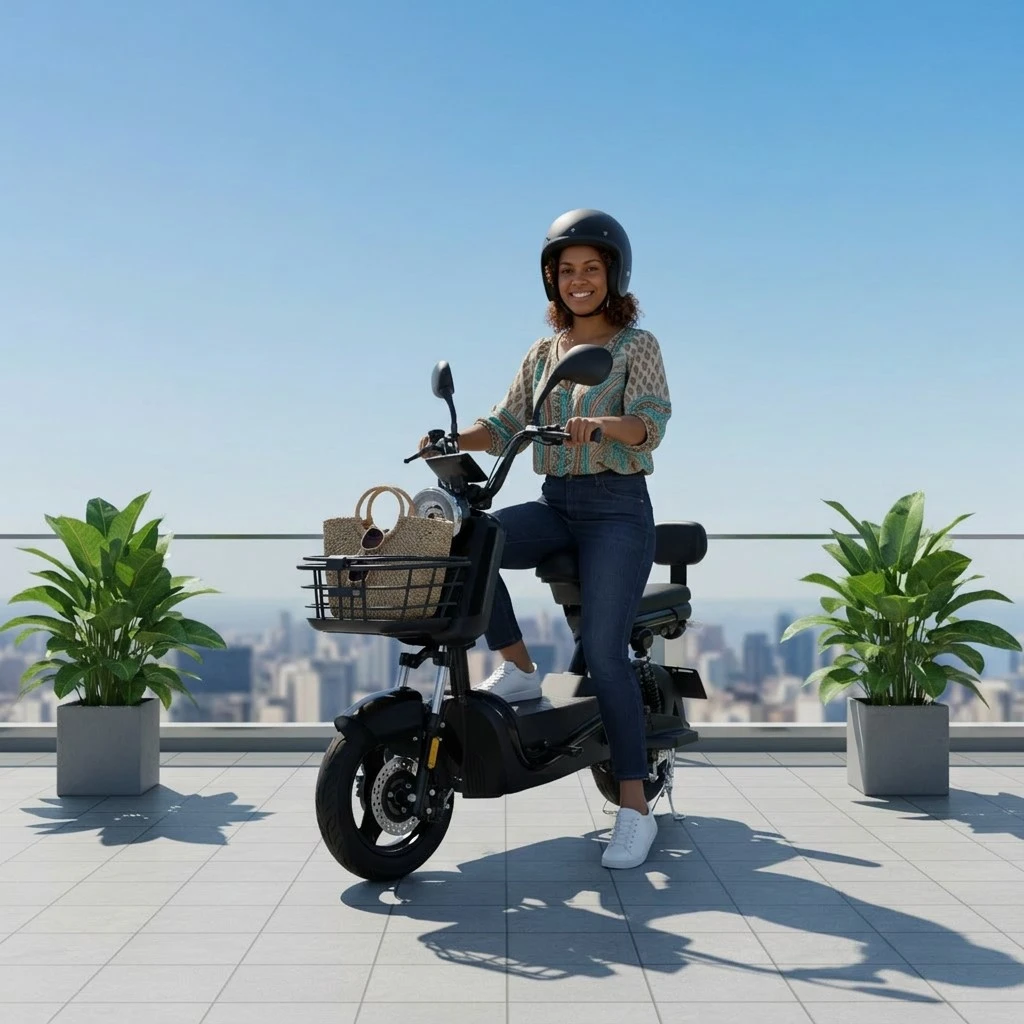
A smaller battery can help reduce overall vehicle weight, depending on the design. A lighter electric two-wheeler may be easier to maneuver, park, and handle in crowded urban environments.
Potentially shorter charging time
When battery capacity and charging power are comparable in technology and charging conditions, a smaller battery may take less time to charge. This can be convenient for riders who recharge at home or at work.
Limitations of a 100 km range electric vehicle
The main drawback is the limited travel distance between charges. Riders who regularly commute long distances, travel between cities, or use their vehicles for extended trips may need to recharge more frequently.
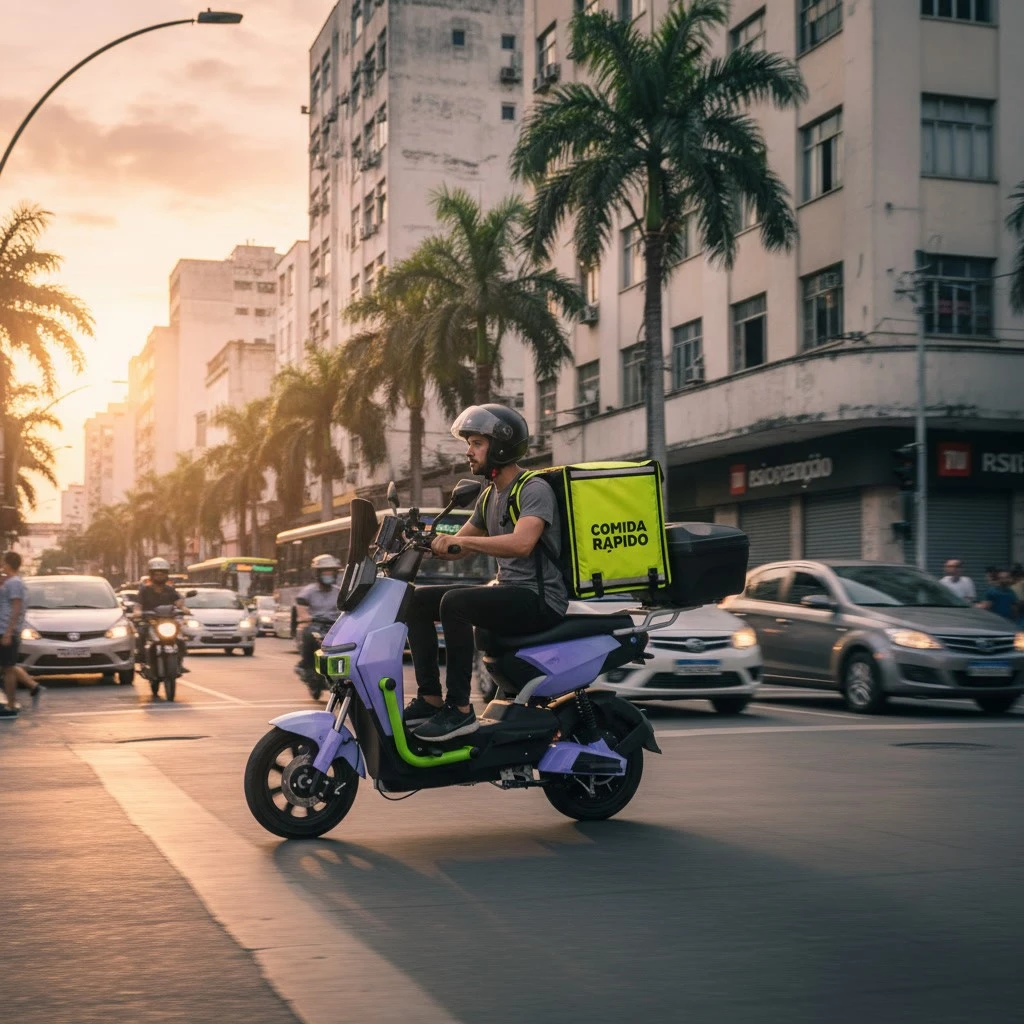
Charging access also matters. If convenient charging facilities are unavailable during a journey, a shorter-range vehicle may require more careful route planning
 .
2. Advantages of a 300 km Range Electric Two-Wheeler
A long-range electric two-wheeler is designed for riders who need to cover greater distances between charges. Depending on the model and riding conditions, an advertised range of 300 km can provide more flexibility for daily use and longer journeys.
Greater travel flexibility
A 300 km range electric motorcycle or scooter may suit riders with longer commutes, frequent intercity travel, or demanding daily transportation needs. The additional range can reduce the need to stop for charging during a journey.
Less frequent charging
For riders who travel long distances regularly, a larger usable battery capacity can reduce charging frequency. This may be especially useful when charging opportunities are limited along the route.
More flexibility for changing travel needs
A vehicle with a longer range offers more room for occasional detours or additional trips, provided sufficient battery capacity remains. This can be useful for riders whose daily travel distance varies.
Limitations of a 300 km range electric vehicle
Higher purchase cost
Achieving a longer range often requires a larger battery, which can increase manufacturing costs and the vehicle's purchase price. The actual price difference depends on battery technology, vehicle specifications, and overall design.
Potentially greater weight
A larger battery pack can add weight, although the final vehicle weight also depends on the frame, motor, and other components. Some long-range models may be less convenient to move or park than lighter alternatives.
Longer charging time in some cases
A larger battery may take longer to recharge when both vehicles use similar charging power and charging conditions. However, charging time also depends on the charger, battery management system, charging curve, and the battery's current state of charge.
3. Key Differences Between 100 km and 300 km Range Models
| Comparison | Around 100 km range | Around 300 km range |
|---|---|---|
| Purchase cost | Often lower | Often higher |
| Battery capacity | Often smaller | Often larger |
| Vehicle weight | May be lighter | May be heavier |
| Charging frequency | Usually more frequent for long-distance riders | Usually less frequent for the same travel distance |
| Charging time | May be shorter with comparable charging systems | May be longer with comparable charging systems |
| Best suited for | Local trips and shorter commutes | Longer commutes and extended journeys |
| Route planning | More important when charging access is limited | Greater flexibility between charges |
These comparisons are general guidelines rather than fixed rules. Two vehicles with the same advertised range may differ significantly in price, weight, charging performance, and real-world efficiency.
4. Which Range Is Better for Your Needs?
A 100 km range electric two-wheeler may be the better choice if you mainly travel short distances, have convenient access to charging, and want to keep your purchase budget under control. A compact, lighter model can also be more practical for frequent urban riding.
A 300 km range electric two-wheeler may be more suitable if you travel longer distances every day, make frequent extended trips, or have limited opportunities to recharge. The additional range can provide greater flexibility, although the higher purchase price and potential increase in weight should be considered.
Before buying, estimate your typical daily mileage and leave a reasonable battery reserve. You should not assume that the advertised range will always be available in everyday riding.
5. What Affects the Actual Range of an Electric Two-Wheeler?
The advertised range is generally measured under specified test conditions. Real-world results may differ because of several factors:
Riding speed: Higher speeds generally increase energy consumption.
Rider and cargo weight: Greater loads can require more energy.
Road conditions: Hills, rough surfaces, and frequent stops can affect efficiency.
Weather: Low temperatures can reduce battery performance and available range.
Riding habits: Rapid acceleration and aggressive riding can increase energy consumption.
Battery condition: Battery aging may gradually reduce the distance available between charges.
For this reason, buyers should compare not only advertised range but also battery capacity, charging specifications, and the vehicle's suitability for their expected riding conditions
.
Frequently Asked Questions
Is a 300 km range electric motorcycle worth the extra cost?
It can be worthwhile for riders who regularly travel long distances or have limited access to charging. For short daily commutes, a lower-range model may provide better value if its range comfortably meets their needs.
Does a 300 km range electric scooter need a bigger battery?
A longer range often requires greater usable battery capacity or a more energy-efficient vehicle. The exact battery size depends on motor efficiency, vehicle weight, riding conditions, and battery technology.
Does a 100 km range electric bike need to be charged every day?
Not necessarily. Charging frequency depends on daily mileage, usable battery capacity, and actual riding efficiency. A rider covering 20 km per day may not need to charge as frequently as someone traveling 80 km per day.
Can an electric two-wheeler really travel 300 km on one charge?
Some models may advertise a range of 300 km under specified test conditions. Actual distance varies with speed, load, temperature, terrain, and riding habits. Buyers should check how the manufacturer measures range and consider their expected real-world usage.
Conclusion
A 100 km range electric two-wheeler can be a cost-effective choice for short commutes and local travel, while a 300 km range model offers greater flexibility for longer journeys and less frequent charging. Neither option is universally better.
The right choice depends on daily mileage, charging access, budget, vehicle weight, and real-world range. By comparing these factors before buying, riders can select an electric bike, electric scooter, or electric motorcycle that matches their transportation needs without paying for range they may rarely use.


