


Electric Two-Wheeler vs. Three-Wheeler: What Are the Differences?
Electric two-wheelers and electric three-wheelers differ in design, handling, load capacity, and intended use. Electric two-wheelers are generally suitable for personal commuting and short urban trips, while electric three-wheelers can offer more space for passengers or cargo. Understanding these differences helps buyers choose the right vehicle for their needs.
1. Vehicle Structure and Design
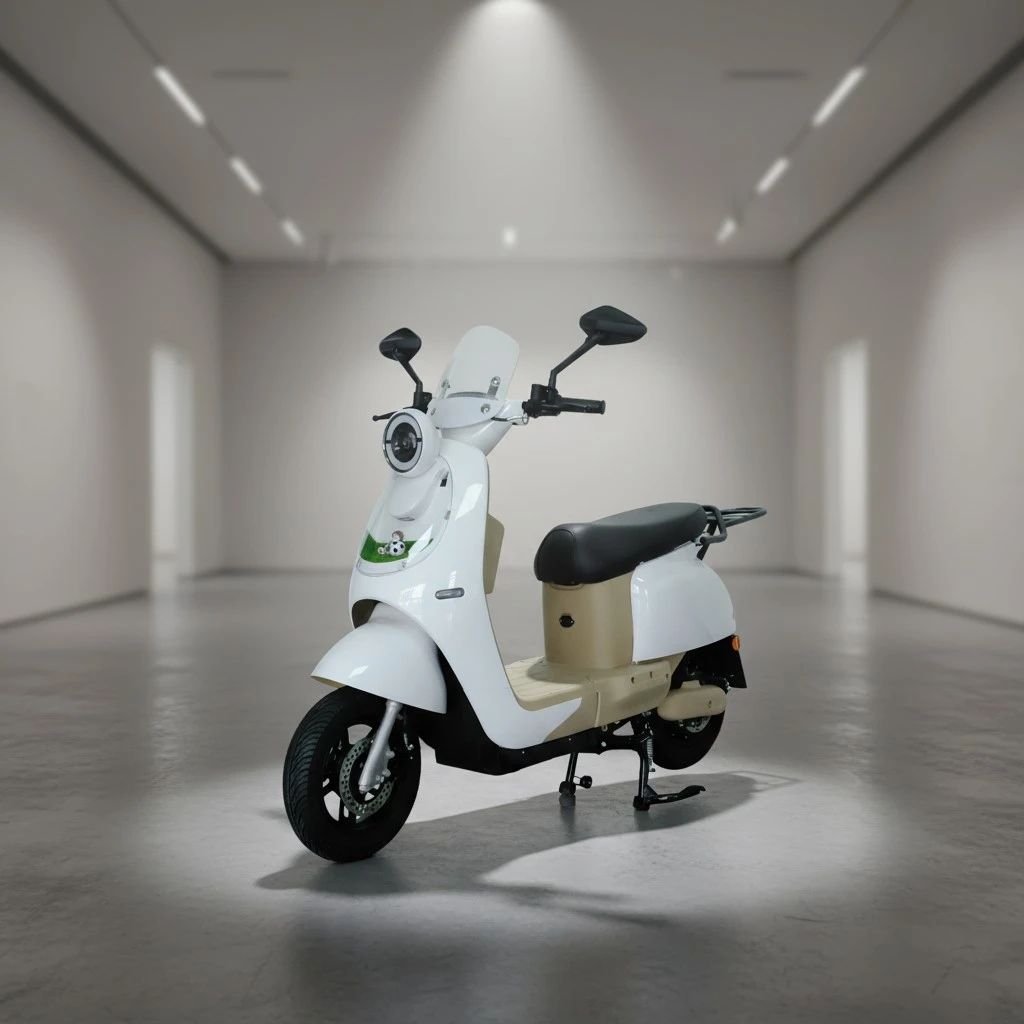
An electric two-wheeler has two wheels and is typically designed for individual transportation. Its relatively simple structure makes it compact, lightweight, and easy to maneuver.
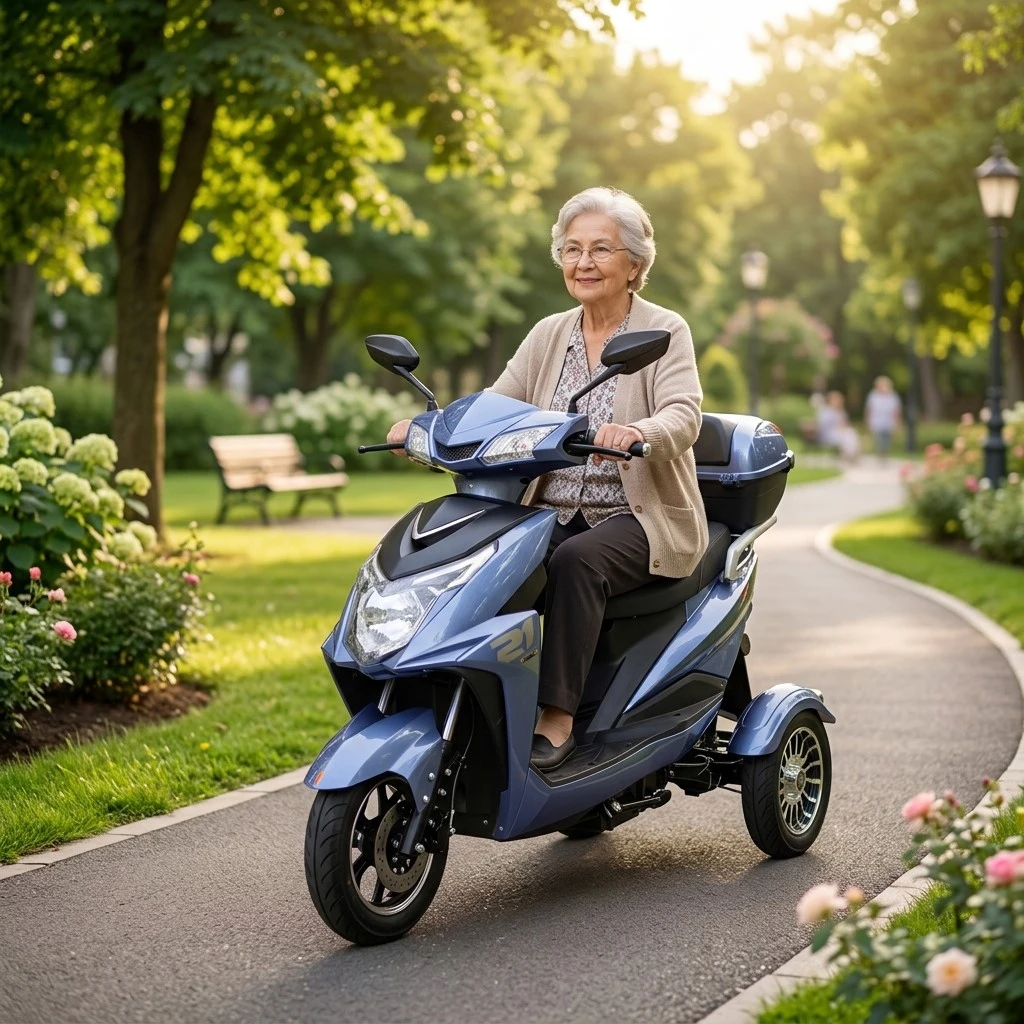
An electric three-wheeler has three wheels, commonly arranged with either one wheel at the front and two at the rear, or two wheels at the front and one at the rear. Depending on the design, it may be built for passenger transportation, cargo delivery, or other practical applications.
2. Handling and Maneuverability
Electric two-wheelers are generally easier to maneuver through narrow streets and congested urban areas. Their compact size also makes parking more convenient, which is useful for daily commuting.
Electric three-wheelers can offer greater balance when stationary or moving at low speeds, depending on their design. However, they may require more room to turn and park. Riders should also consider the vehicle's dimensions, center of gravity, and handling characteristics when operating a three-wheele
 r.
3. Motor Power and Load Capacity
Motor power varies by model rather than simply by the number of wheels.
Many electric two-wheelers are designed for personal transportation and everyday commuting. Electric three-wheelers are available in different power configurations, including models designed to carry passengers or transport goods.
For cargo applications, buyers should check the rated load capacity, motor power, battery specifications, and intended operating conditions before selecting a vehicle.
4. Common Applications
Electric two-wheelers are commonly used for commuting, school trips where permitted, shopping, and other short-distance journeys. Their compact design makes them practical for individual riders who value flexibility and convenient parking.
Electric three-wheelers can be used for passenger transportation, local deliveries, and small-scale cargo transport. For example, small businesses and market vendors may use cargo electric tricycles to move products between storage areas, markets, and customers.
The best option depends on the number of passengers, cargo requirements, travel distance, road conditions, and local regulations.
5. Which Electric Vehicle Should You Choose?
An electric two-wheeler may be the better choice if you need a compact vehicle for personal commuting, frequent turns, and easy parking.
An electric three-wheeler may be more suitable if you need additional passenger space or cargo capacity. Before purchasing, compare the vehicle's dimensions, rated load, motor power, battery range, and applicable road-use requirements.
For importers, distributors, and wholesalers, selecting the right model starts with understanding the needs of the target market and matching those needs to the vehicle's specifications.
Frequently Asked Questions
Is an electric three-wheeler more stable than a two-wheeler?
A three-wheeler can provide better balance when stationary or traveling at low speeds. However, stability during turns depends on the vehicle's design, center of gravity, speed, and road conditions.
Can an electric three-wheeler carry more cargo?
Many electric three-wheelers are designed for cargo transportation and may offer greater load capacity than personal electric two-wheelers. Always check the manufacturer's rated load limit.
Which is better for city commuting?
An electric two-wheeler is generally more maneuverable and easier to park. A three-wheeler may be preferable when passenger space or cargo capacity is a priority.
Conclusion
The main difference between electric two-wheelers and three-wheelers lies in their structure, handling, space, and intended applications. Two-wheelers are generally practical for personal commuting, while three-wheelers can better meet certain passenger and cargo transportation needs. Buyers should compare individual model specifications and local regulations before making a decision.


