


Why Are Chinese Electric Two-Wheelers and Three-Wheelers Gaining Attention in Europe and the US?
Chinese electric two-wheelers and three-wheelers are attracting attention in European and US markets because of their competitive pricing, practical designs, product variety, and suitability for short-distance transportation. From electric scooters for urban commuting to electric tricycles for local deliveries and cargo transport, these vehicles offer different solutions for everyday mobility and commercial use.
For importers, distributors, wholesalers, and mobility brands, Chinese electric vehicle manufacturers also provide opportunities to source products in different configurations and explore OEM and ODM customization
 .
1. Competitive Pricing and Flexible Purchasing Options
One reason buyers consider Chinese electric two-wheelers and three-wheelers is their competitive pricing. China's established electric vehicle supply chain supports the production of different vehicle types and configurations, giving international buyers more options when comparing suppliers.
The final price depends on factors such as motor power, battery type, vehicle design, order quantity, shipping costs, and applicable import duties. Buyers should compare vehicles with similar specifications rather than judging suppliers by price alone.
For distributors and wholesalers, working directly with an electric vehicle manufacturer in China may also provide opportunities to discuss bulk orders, product configurations, and private-label development.
When evaluating a supplier, buyers should consider product quality, quality control procedures, spare parts availability, delivery arrangements, and after-sales support alongside the initial purchase price.
2. Practical Solutions for Daily Transportation and Local Delivery
Chinese electric two-wheelers and three-wheelers serve different transportation needs.
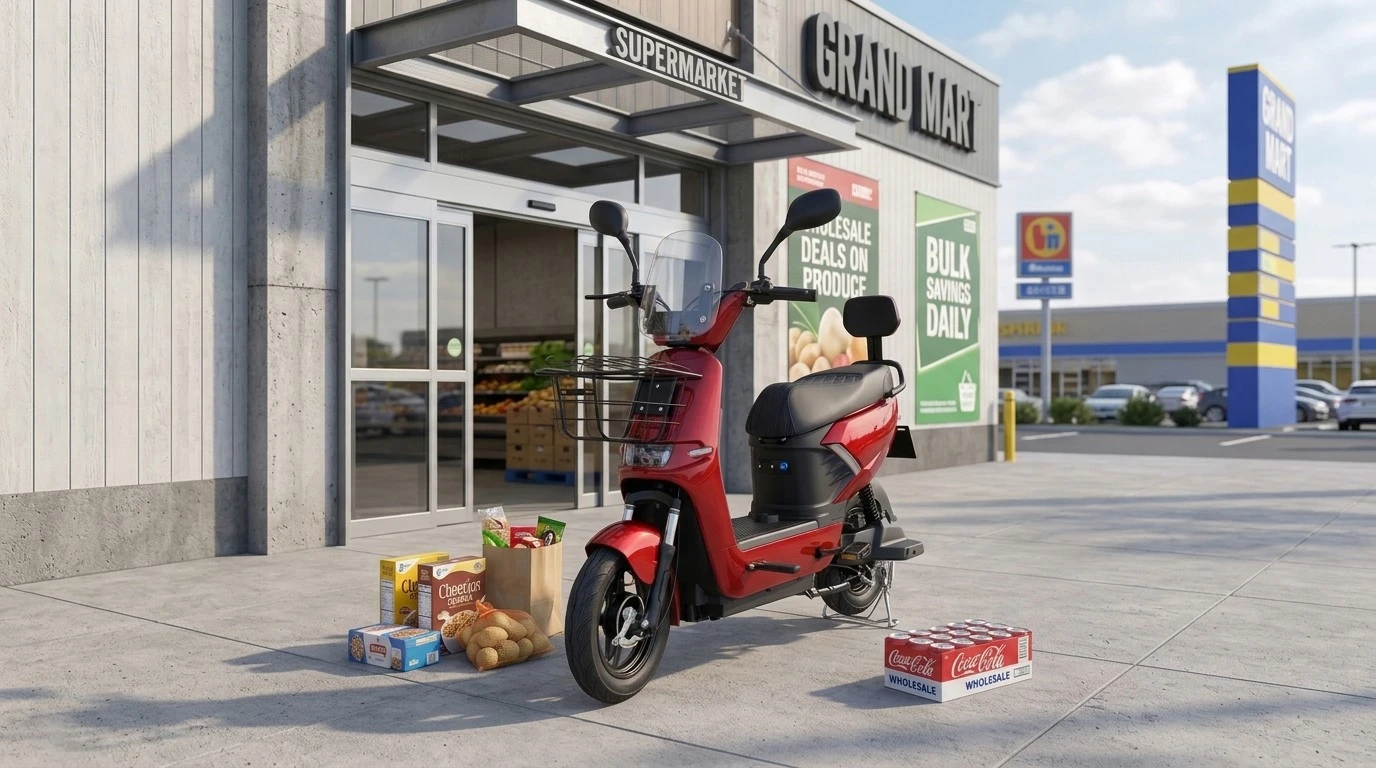
Electric two-wheelers are compact and maneuverable, making them suitable for short commutes, neighborhood travel, and last-mile transportation. Depending on the model and local regulations, they may also be used for delivery services and other light commercial applications.
Electric three-wheelers offer a different set of advantages. Their three-wheel structure and available cargo or passenger space make them useful for certain shopping trips, local transportation services, and small-scale delivery tasks.
For businesses, the choice between a two-wheeler and a three-wheeler depends on the intended application, payload requirements, operating distance, road conditions, and local vehicle regulations.
These practical differences allow buyers to select vehicles for specific customer groups instead of relying on a single model for every transportation need.
3. A Wide Range of Models and Customization Options
Chinese electric vehicle manufacturers offer a variety of vehicle styles designed for different uses. Depending on the supplier's product range, buyers may find urban electric scooters, electric mopeds, electric motorcycles, cargo tricycles, and passenger-oriented three-wheelers.
This variety helps importers and distributors build product portfolios for different market segments.
OEM and ODM services can provide additional flexibility. Depending on the manufacturer's capabilities and order requirements, customization may cover appearance, colors, branding, selected components, and product configurations.
For private-label brands and regional distributors, these options can help create a product range suited to local customer preferences. Buyers should confirm the available customization scope, minimum order quantity, production lead time, and certification requirements with each manufacturer.
4. Changing Mobility Needs in Europe and the US
Urban congestion, parking challenges, and demand for convenient short-distance transportation have encouraged interest in alternative mobility options in many cities.
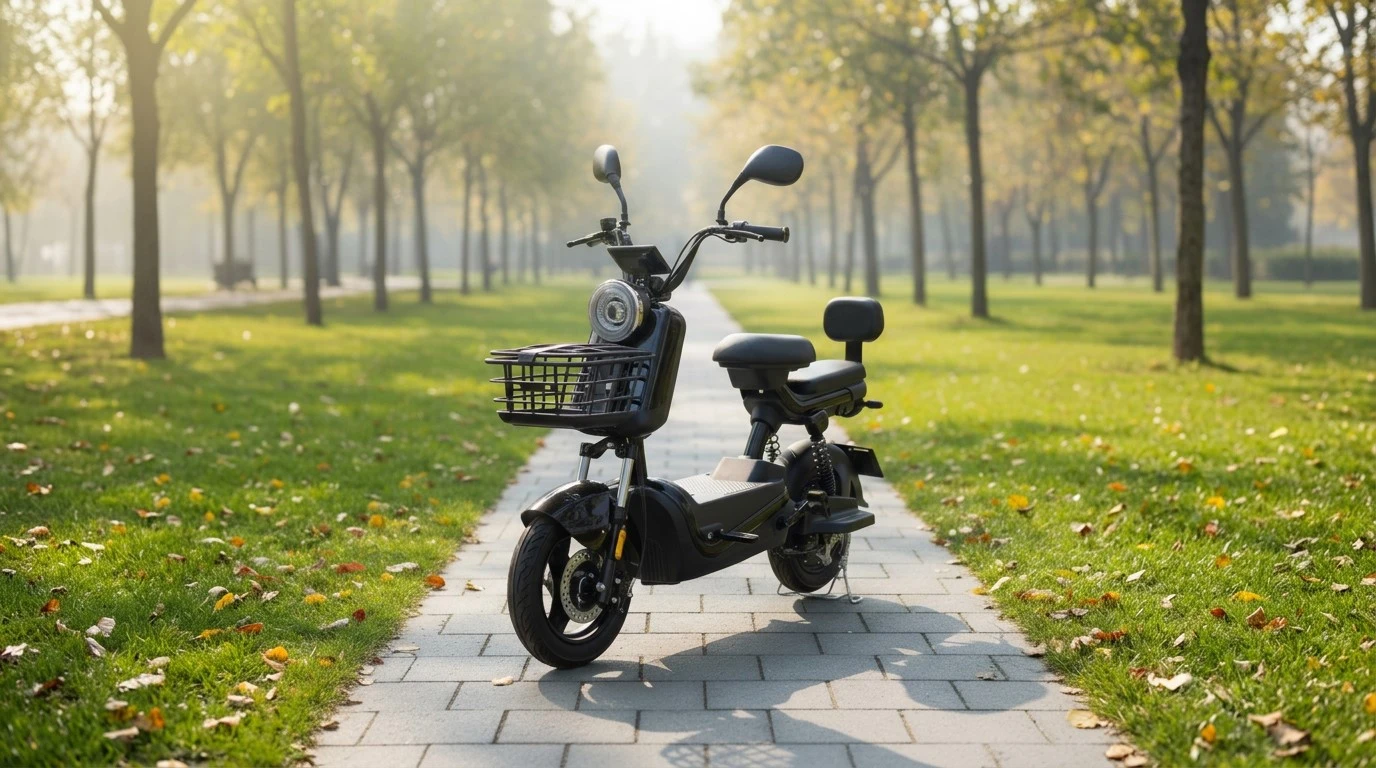
Electric two-wheelers can be suitable for short urban trips, commuting, and certain delivery applications. Their compact size can make them easier to park than larger vehicles where local parking rules permit.
Electric three-wheelers can serve users who need additional space for goods or passengers. They may also be considered for local delivery operations, tourism-related services, and other specialized uses, depending on the vehicle design and applicable regulations.
Environmental considerations are another factor in electric mobility. Battery-powered vehicles produce no tailpipe emissions while operating, although their overall environmental impact also depends on electricity generation, battery production, vehicle lifespan, and end-of-life handling.
However, demand differs across countries, cities, and customer groups. Buyers should research local preferences, road-use rules, speed and power limits, safety requirements, and vehicle classification before selecting products for a specific market
 .
5. What Should Importers Consider When Sourcing from China?
For overseas businesses, choosing the right Chinese electric vehicle supplier involves more than comparing prices or product appearance.
Before placing an order, consider the following factors:
Product specifications: Check motor power, battery capacity, estimated range, maximum speed, load capacity, and vehicle dimensions.
Local regulations: Confirm whether the vehicle can be legally imported, registered, and used for its intended purpose in the destination market.
Compliance documentation: Verify the specific certifications, test reports, labeling, and other documents required for the target country and vehicle category.
Quality control: Ask about inspection procedures, production standards, and pre-shipment checks.
Spare parts and support: Confirm the availability of replacement parts, technical documentation, and warranty arrangements.
OEM and ODM capabilities: Discuss branding, customization options, minimum order quantities, and production schedules.
Shipping and logistics: Evaluate packaging, shipping arrangements, import duties, and the total landed cost.
Working with a suitable electric vehicle manufacturer in China can help buyers develop a sourcing plan based on their target market, sales channels, and intended applications.
Frequently Asked Questions
Why do overseas buyers consider Chinese electric two-wheelers?
Buyers may consider Chinese electric two-wheelers because of their range of models, competitive pricing, and potential customization options. The right choice depends on product specifications, quality, regulatory compliance, and the supplier's ability to meet the buyer's requirements.
What are Chinese electric three-wheelers commonly used for?
Depending on their design, electric three-wheelers can be used for local transportation, shopping, passenger services, and light cargo delivery. Buyers should check the vehicle's load capacity and intended-use classification before purchasing.
Can Chinese electric vehicles be customized for overseas markets?
Some Chinese manufacturers offer OEM and ODM services. Available options vary by supplier, model, order quantity, and technical requirements. Buyers should confirm branding, component choices, documentation, and production terms directly with the manufacturer.
What should distributors check before importing electric vehicles from China?
Distributors should verify vehicle specifications, product quality, applicable import and road-use regulations, required certifications, spare parts support, shipping costs, and the supplier's production capabilities.
Conclusion
Chinese electric two-wheelers and three-wheelers offer overseas buyers a variety of options for commuting, local transportation, and light commercial applications. Their appeal comes from a combination of product variety, practical vehicle designs, competitive sourcing opportunities, and potential customization.
For importers, wholesalers, distributors, and mobility brands, the key is to match the vehicle to the target market and work with a manufacturer that can meet the required specifications, quality expectations, and compliance requirements.


