

Electric Two-Wheeler vs. Electric Four-Wheeler: What Is the Difference?
Electric two-wheelers and electric four-wheelers differ in design, handling, passenger capacity, cost, and intended use. Electric two-wheelers, such as electric scooters, e-bikes, and electric motorcycles, are generally suitable for short trips and convenient urban travel. Electric four-wheelers, including small electric vehicles and electric cars, usually offer more cabin space and greater protection from weather.
The right choice depends on your travel needs, budget, road conditions, and access to charging.
1. Vehicle Design and Handling
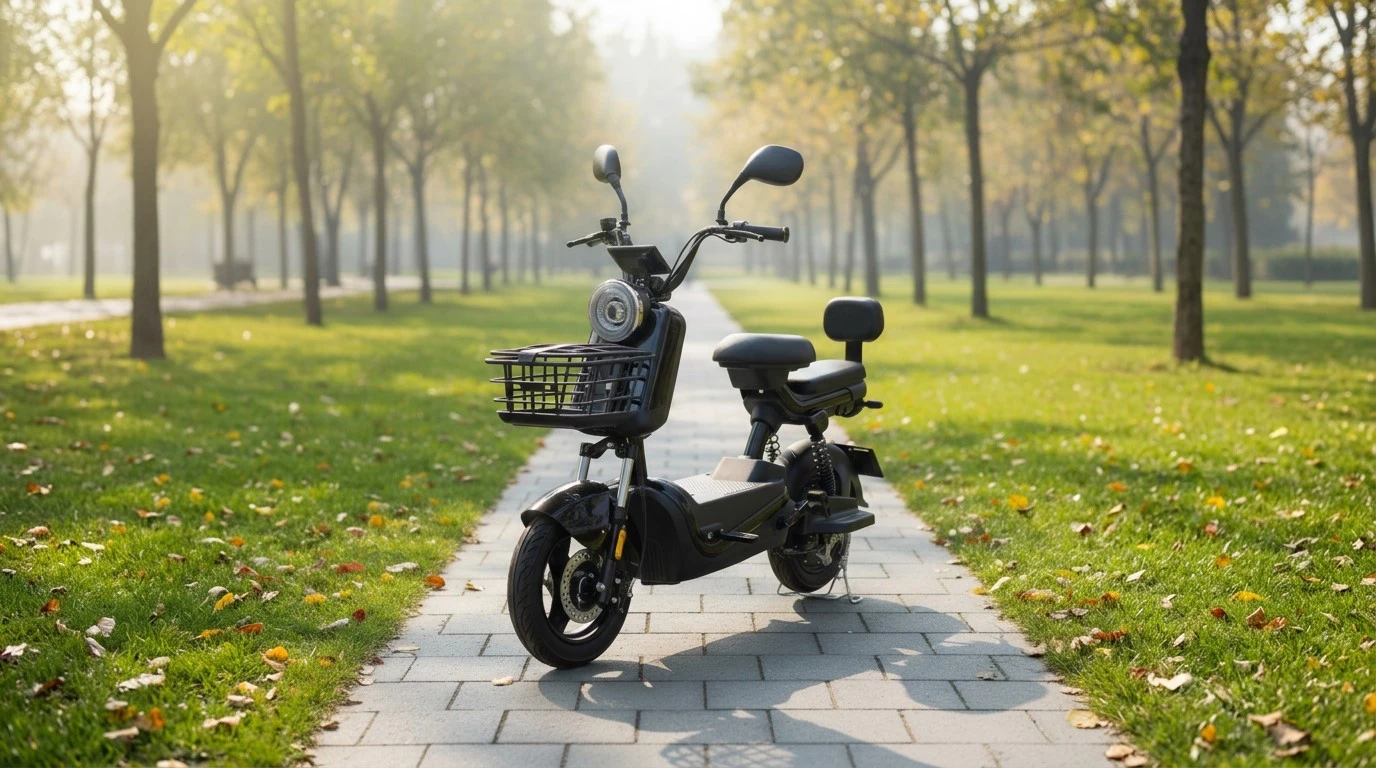
An electric two-wheeler has a relatively simple structure and a compact body. Its smaller size makes it easier to maneuver through narrow streets and congested urban areas. Parking is also generally more convenient, especially where space is limited.
An electric four-wheeler has four wheels and a wider body. Depending on the vehicle type, it may provide an enclosed cabin, additional seating, and more room for passengers or cargo. However, its larger dimensions can make parking and maneuvering in tight spaces more challenging.
For short urban journeys, an electric two-wheeler may be more convenient. For users who prioritize cabin space and weather protection, an electric four-wheeler may be a better fit.
2. Purchase Cost and Running Expenses
Electric two-wheelers generally have a lower purchase price than electric four-wheelers. Their compact design and simpler construction can also make them an economical option for everyday commuting.
Electric four-wheelers typically cost more, particularly models with larger batteries, more passenger space, and additional equipment. However, the actual price difference depends on the vehicle category, battery configuration, and market.
When comparing total ownership costs, buyers should consider not only the purchase price but also charging, maintenance, insurance, registration, and other expenses that apply in their location.
3. Driving Range and Charging
The driving range of an electric vehicle depends on its battery capacity, energy efficiency, vehicle weight, speed, and operating conditions.
Many electric two-wheelers are designed for short-distance travel and daily commuting. Their range may be sufficient for local trips, but users who regularly travel longer distances need to check the battery specifications and real-world range carefully.
Electric four-wheelers can offer longer driving ranges, particularly full-size electric cars with larger battery packs. However, this is not true of every model. Small electric vehicles may have limited range, while some electric motorcycles can travel considerable distances on a charge.
Charging time also varies according to battery capacity, charger output, and the vehicle's charging system. Before purchasing either type, consider where the vehicle will be charged and how often it will be used.
4. Passenger Capacity and Comfort
Passenger capacity is one of the clearest differences between electric two-wheelers and electric four-wheelers.
An electric two-wheeler usually carries one or two riders, depending on its design and local regulations. Riders are exposed to wind, rain, and temperature changes, and comfort can be affected by the seat, suspension, and road surface.
An electric four-wheeler generally provides more seating and interior space. Enclosed models can offer protection from weather and a more comfortable environment for passengers. They may also provide more storage space for groceries, luggage, or other items.
For families, passenger transport, and journeys in poor weather, an enclosed electric four-wheeler may be more practical. For individual commuting and short trips, a two-wheeler may be sufficient
5. Speed and Power
Electric four-wheelers are not always faster or more powerful than electric two-wheelers. Performance depends on the vehicle's motor, battery, weight, design, and electronic speed limits.
Some electric motorcycles are built for high-speed performance, while certain small electric four-wheelers are designed for low-speed local travel. Likewise, full-size electric cars can offer strong acceleration and higher highway speeds.
Buyers should compare the rated motor power, maximum speed, acceleration, and intended road use of specific models rather than assuming that the number of wheels determines performance.
6. Safety and Driving Requirements
Electric two-wheelers require balance and active control. Riders have less physical protection in a collision than occupants of an enclosed four-wheeler, making suitable protective equipment and safe riding practices particularly important.
Electric four-wheelers provide a more enclosed driving environment. Depending on the model, they may include seat belts, airbags, and electronic safety systems. However, safety equipment varies, and four wheels alone do not guarantee better protection.
Driving and registration requirements also differ by country and vehicle category. Some electric two-wheelers require a motorcycle license, while certain electric bicycles may be subject to different rules. Electric four-wheelers may require a car license or fall under a separate low-speed vehicle category.
Before buying, check the local requirements for licensing, registration, insurance, road access, and charging equipment.
7. Which Electric Vehicle Is Right for You?
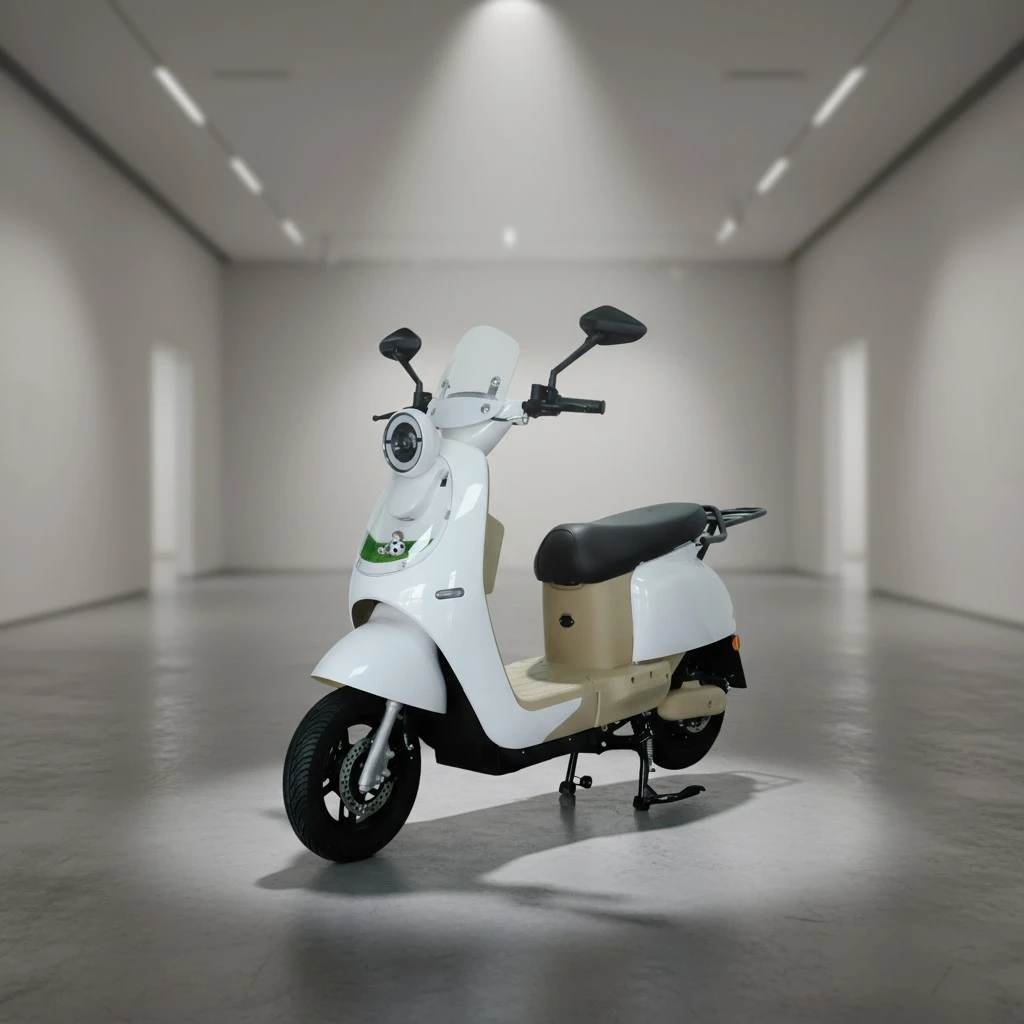
An electric two-wheeler may be the better choice if you need an affordable vehicle for short commutes, easy parking, and navigating busy streets.
An electric four-wheeler may be more suitable if you need additional passenger capacity, more storage, an enclosed cabin, or a vehicle for longer journeys.
For commercial users, the decision also depends on the application. Two-wheelers can be practical for individual travel and some local delivery tasks, while four-wheelers may better suit passenger transport or applications requiring an enclosed cargo area.
The best option is the one that matches your daily travel distance, passenger and cargo requirements, budget, charging access, and local regulations
 .
Frequently Asked Questions
Is an electric two-wheeler cheaper than an electric four-wheeler?
Generally, yes. Electric two-wheelers usually have lower purchase costs because of their smaller size and simpler construction. Actual prices and running expenses vary by model and market.
Which has a longer range, an electric two-wheeler or an electric four-wheeler?
It depends on the battery capacity and vehicle efficiency. Many electric cars offer longer ranges than commuter electric scooters, but some electric motorcycles can travel farther than small electric four-wheelers.
Which is more comfortable for daily commuting?
An enclosed electric four-wheeler generally offers better weather protection and more passenger space. An electric two-wheeler may be more convenient in congested areas and easier to park.
Are electric four-wheelers always safer than electric two-wheelers?
Enclosed four-wheelers offer more physical protection than two-wheelers, but overall safety depends on vehicle design, safety equipment, road conditions, and driving behavior.
Conclusion
The main difference between an electric two-wheeler and an electric four-wheeler lies in their size, cost, passenger capacity, comfort, and intended use. Two-wheelers are generally more affordable and easier to maneuver, while four-wheelers often provide more space and weather protection.
Compare the specifications and real-world capabilities of individual models before making a decision. Battery range, charging access, safety features, and local vehicle regulations are all important when choosing an electric vehicle for personal or commercial use.


