


Are Electric Two-Wheelers Suitable for Long-Distance Travel?
Electric two-wheelers, including electric scooters, electric mopeds, and electric motorcycles, are convenient for daily commuting and short trips. However, whether they are suitable for long-distance travel depends on their battery range, charging options, riding comfort, performance, and safety features.
For many standard electric scooters, long journeys can be challenging because of limited range and the time needed to recharge. Some electric motorcycles are designed for longer rides, but riders still need to consider road conditions, charging availability, and local traffic regulations.
1. Limited Riding Range
One of the main challenges of long-distance travel on an electric two-wheeler is battery range.
Many everyday models are designed for commuting and local travel rather than covering long distances in a single trip. Depending on the model and battery configuration, a full charge may provide a range of several dozen kilometers or more than 100 kilometers.
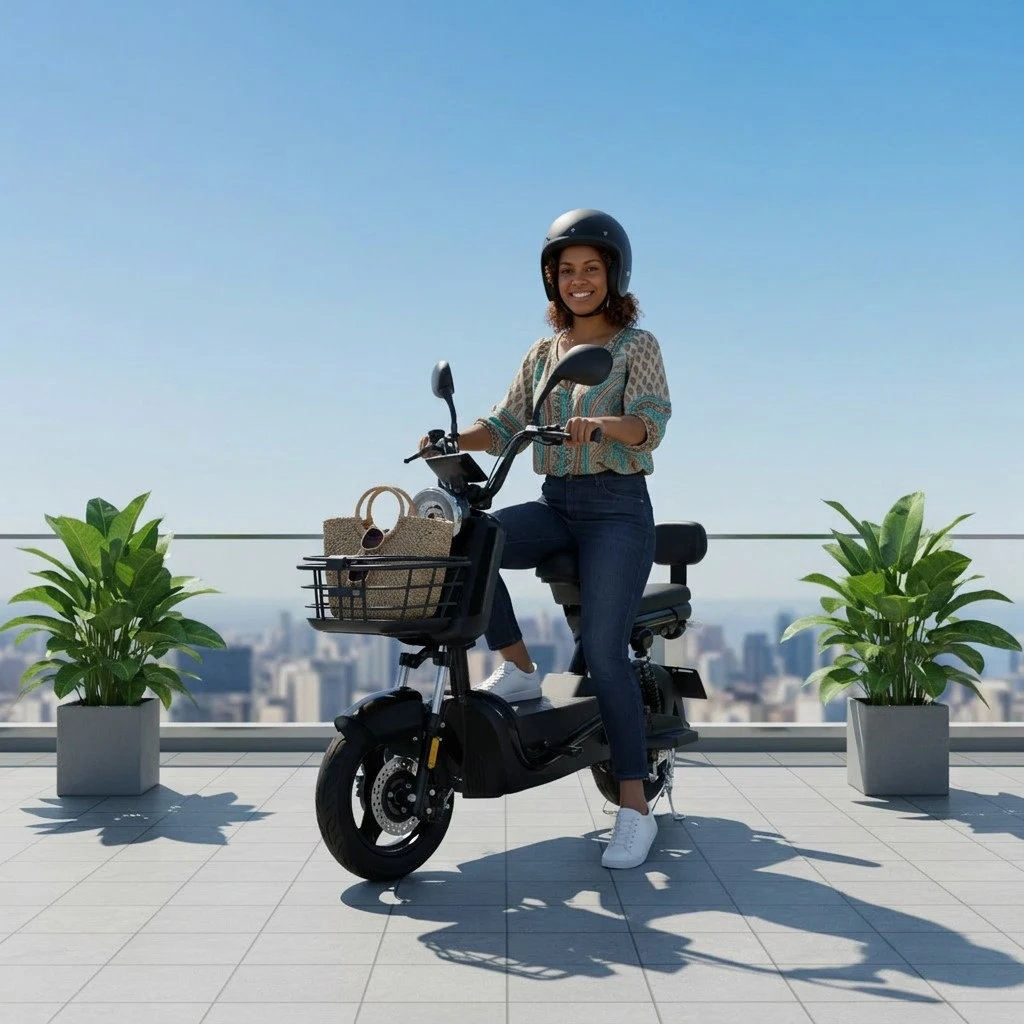
Actual riding range can be lower than the manufacturer's stated figure because of high speeds, heavy loads, steep roads, cold weather, and frequent acceleration
 .
For longer journeys, riders may need to stop for charging several times. If charging facilities are limited along the route, planning the trip becomes more difficult and the total travel time can increase considerably.
Before setting off, check the vehicle's expected real-world range and identify suitable charging locations along the route.
2. Charging Can Extend Travel Time
Charging takes longer than refueling a conventional gasoline motorcycle. The time required depends on battery capacity, charger output, battery chemistry, and the vehicle's charging system.
Frequent charging stops can make an electric two-wheeler less convenient for journeys between cities, particularly when the route has few charging options.
Riders should allow enough time for charging and avoid planning a journey around the assumption that every charging point will be available when needed. It is also important to use a compatible charger and follow the manufacturer's charging instructions.
For long-distance travel, charging availability can be just as important as the vehicle's advertised range.
3. Long Hours in the Saddle Can Be Uncomfortable
Riding an electric two-wheeler for extended periods can cause fatigue, especially on models designed primarily for short urban trips.
Seat shape, suspension quality, riding posture, tire specifications, and road conditions all affect comfort. A basic seat or limited suspension travel may become uncomfortable after several hours, particularly on rough or uneven roads.
Long-distance riders should consider whether the vehicle offers sufficient seat support, stable handling, and suspension suited to the intended route. Taking regular breaks can also help reduce fatigue.
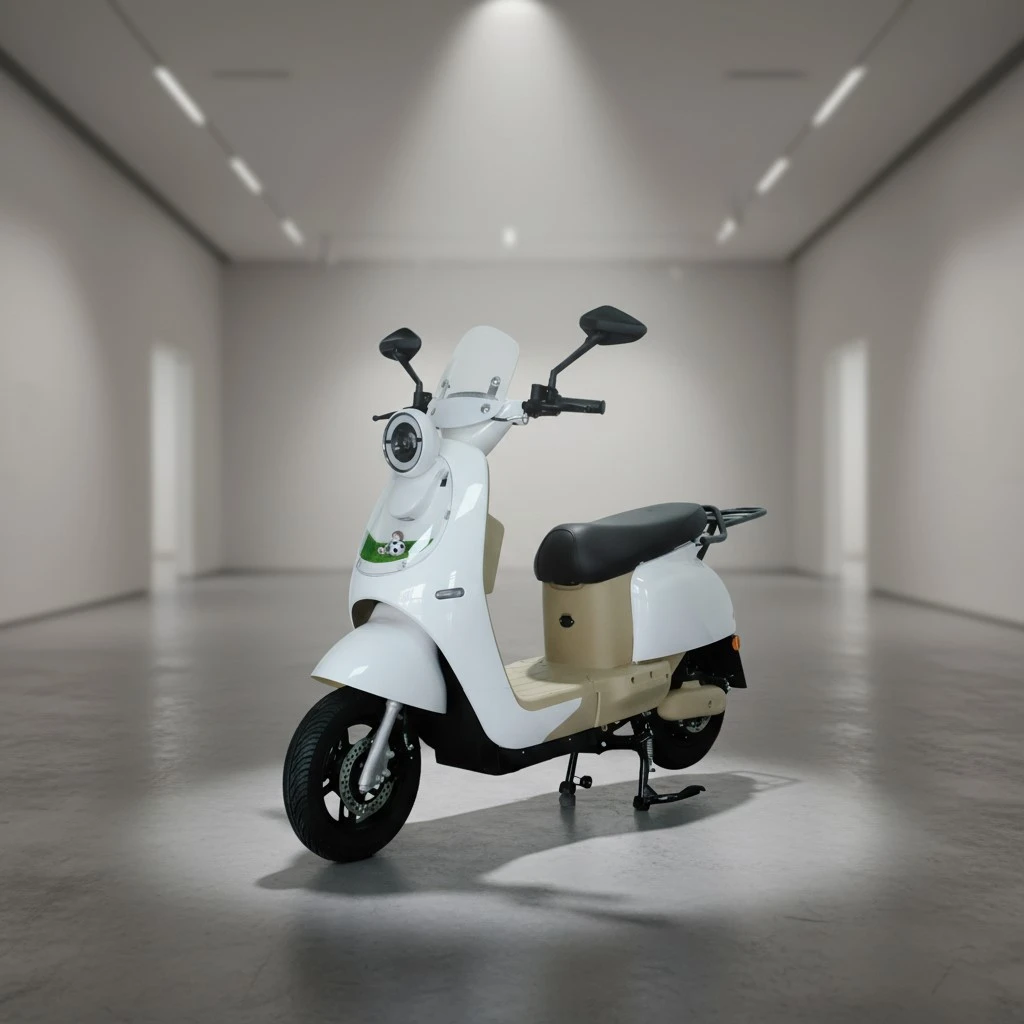
Compared with an enclosed car, a two-wheeler provides less protection from wind, rain, and changing temperatures. Weather exposure can make a long journey more tiring, even when the vehicle has sufficient battery range
 .
4. Safety Requires More Attention
Electric two-wheelers offer less physical protection than enclosed vehicles. In a collision, riders are more exposed to direct impact and may face a greater risk of serious injury.
Long-distance journeys can introduce additional challenges, including unfamiliar roads, changing weather, heavy traffic, and uneven surfaces. Riders need to maintain a safe speed, remain visible to other road users, and ensure that the brakes, tires, lights, and suspension are in good condition.
Protective equipment, including an appropriate helmet, is important. Riders should also plan rest stops and avoid continuing when tired.
Road access is another consideration. Some electric two-wheelers are not permitted on certain roads, including motorways or expressways, depending on the country and vehicle classification. Check local regulations before choosing a route.
5. Travel Speed May Be Lower Than Expected
The time needed for a long journey depends on more than the vehicle's maximum speed.
Many commuter electric scooters have relatively modest top speeds, which can make longer trips time-consuming. Charging stops, traffic conditions, speed restrictions, and rest breaks can further increase the total travel time.
Higher-performance electric motorcycles may be better suited to longer journeys, provided their range, charging requirements, and road-legal status meet the needs of the trip.
When comparing vehicles, consider the distance you need to cover, the roads you can legally use, and the time available for travel rather than relying on top speed alone.
6. How to Prepare for a Long Trip on an Electric Two-Wheeler
An electric two-wheeler can be used for longer journeys when the vehicle and route are suitable. Good preparation helps reduce the risk of unexpected delays.
Before departure:
Check the battery condition and the vehicle's expected range under realistic riding conditions.
Plan charging stops and confirm that suitable charging facilities are available.
Inspect the brakes, tires, lights, and suspension.
Check the weather forecast and road conditions.
Bring the compatible charger if required and permitted.
Confirm local licensing, registration, and road-access rules.
Allow time for rest breaks and avoid riding when fatigued.
For routes with limited charging infrastructure, a vehicle with a suitable battery capacity and a reliable charging plan is particularly important.
Frequently Asked Questions
Can an electric scooter travel long distances?
Yes, some electric scooters and electric motorcycles can cover longer distances, but suitability depends on their real-world range, charging options, comfort, and performance. Many standard commuter models are better suited to shorter trips.
How far can an electric two-wheeler travel on one charge?
The range varies by model and battery configuration. Some models cover several dozen kilometers, while others can exceed 100 kilometers under suitable conditions. Speed, rider weight, temperature, terrain, and riding style all affect the actual distance.
Why is long-distance travel difficult on an electric scooter?
The main challenges are limited range, charging time, fatigue during extended riding, weather exposure, and the need to choose a suitable route. These limitations vary by vehicle type and design.
Is an electric motorcycle better than an electric scooter for long trips?
A touring-oriented or higher-performance electric motorcycle may offer more suitable performance and comfort than a basic urban scooter. However, buyers should compare actual range, charging requirements, ergonomics, and road legality before making a decision.
Conclusion
Electric two-wheelers can be practical for commuting and shorter journeys, but long-distance travel requires more planning. Limited range, charging stops, riding fatigue, weather exposure, and road restrictions can make some models less suitable for extended trips.
Before choosing an electric scooter or electric motorcycle for long-distance use, compare its real-world range, charging options, comfort, safety equipment, and permitted road use. The right vehicle depends on the distance, route, and riding conditions rather than the vehicle category alone.


