


Disadvantages of Electric Two-Wheelers: Range, Safety, and Comfort
Electric two-wheelers, including electric scooters, electric mopeds, and electric motorcycles, offer a convenient option for short-distance travel. However, they also have limitations that riders should consider before choosing a model.
The main disadvantages of electric two-wheelers include limited riding range, charging time, exposure to traffic accidents, and varying levels of riding comfort. Understanding these factors can help users select a vehicle that better suits their daily travel needs.
1. Limited Riding Range
One of the main disadvantages of an electric two-wheeler is its limited riding range compared with some longer-distance transport options.
Depending on the battery capacity, motor power, vehicle weight, riding speed, and road conditions, some models may only cover several dozen kilometers on a full charge. This can be sufficient for daily commuting but less convenient for longer trips.
Riders may need to plan their journeys around available charging facilities, especially when traveling outside urban areas. If the battery runs low and no suitable charging point is nearby, completing the journey can become difficult.
Actual range also varies with temperature, payload, terrain, and riding habits. Buyers should therefore check the manufacturer's stated range and consider how the vehicle performs under their expected operating conditions.
2. Charging Takes Time
Unlike refueling a conventional gasoline motorcycle, charging an electric two-wheeler requires additional time.
Charging duration depends on battery capacity, charger output, battery chemistry, and the vehicle's charging system. Some models can recharge relatively quickly, while others may require several hours.
This can be inconvenient for riders who use their vehicles frequently throughout the day or do not have access to a suitable charging point at home or work.
Before purchasing an electric scooter or electric motorcycle, it is worth checking the recommended charging time, charger compatibility, and available charging options. For delivery businesses and rental fleets, charging schedules can also affect vehicle availability and daily operations.
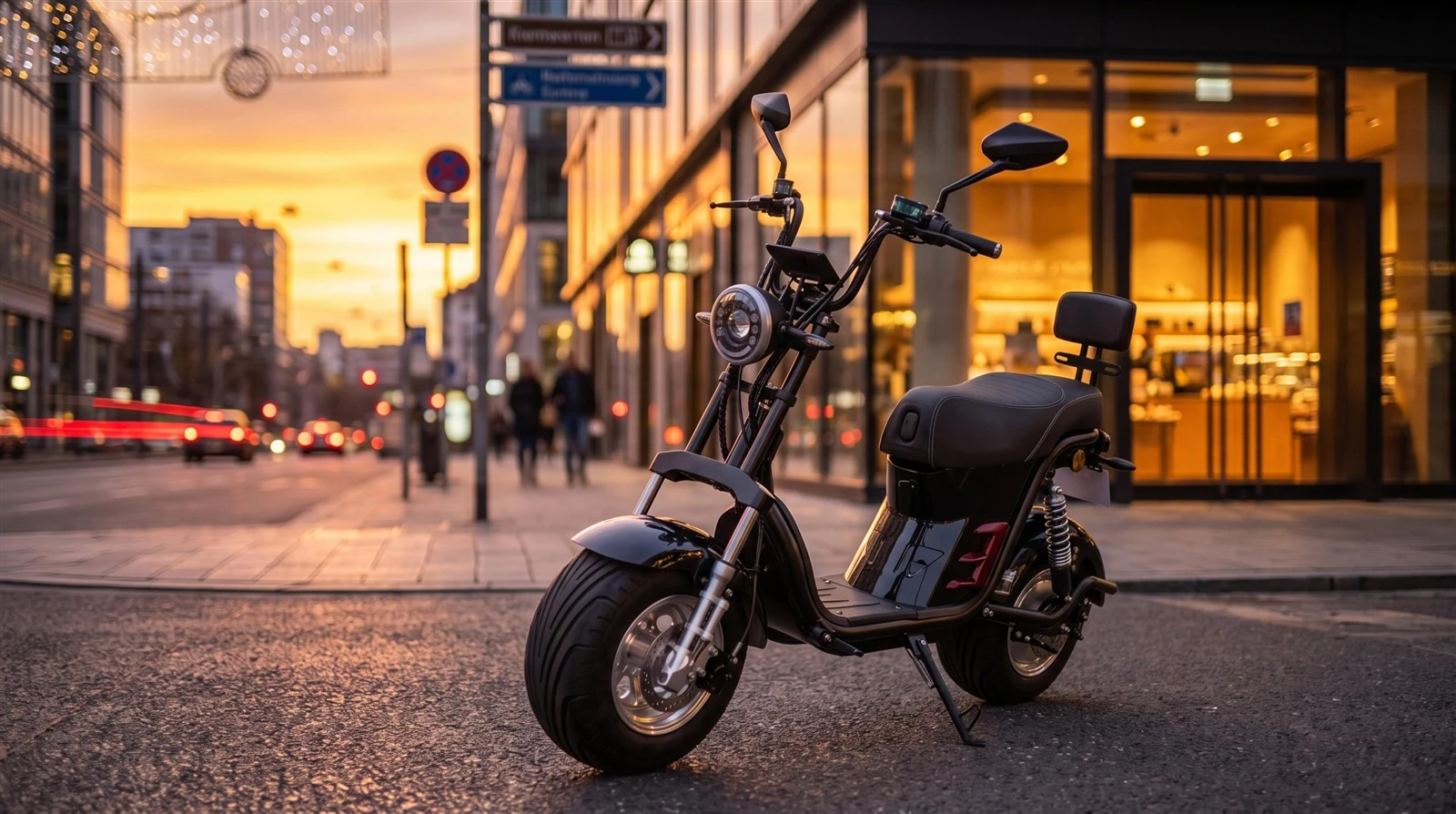
3. Greater Exposure to Traffic Accidents
Electric two-wheelers provide less physical protection than enclosed vehicles such as cars. Riders are more exposed in a collision, which can increase the risk of serious injury.
Accident risks can increase when riders travel at inappropriate speeds, ignore traffic signals, ride against traffic, or fail to maintain a safe following distance. Road surface conditions, visibility, and interactions with larger vehicles can also affect riding safety.
Appropriate protective equipment, including a suitable helmet, can help reduce injury risk. Riders should follow local traffic laws, maintain their brakes and tires, and choose a vehicle that suits their experience and intended use.
For buyers, braking performance, lighting, tire quality, and overall vehicle stability are important factors to evaluate alongside motor power and maximum speed.
4. Riding Comfort May Be Limited
Riding comfort varies considerably between electric two-wheeler models. Some basic models have limited suspension travel or relatively firm seats, making longer journeys less comfortable.
On uneven roads, potholes, and rough surfaces, vibration can become more noticeable. Prolonged exposure to these conditions may cause fatigue, particularly when the vehicle has limited suspension capability or an unsuitable riding position.
Seat design, suspension quality, tire specifications, handlebar position, and overall frame geometry all influence comfort.
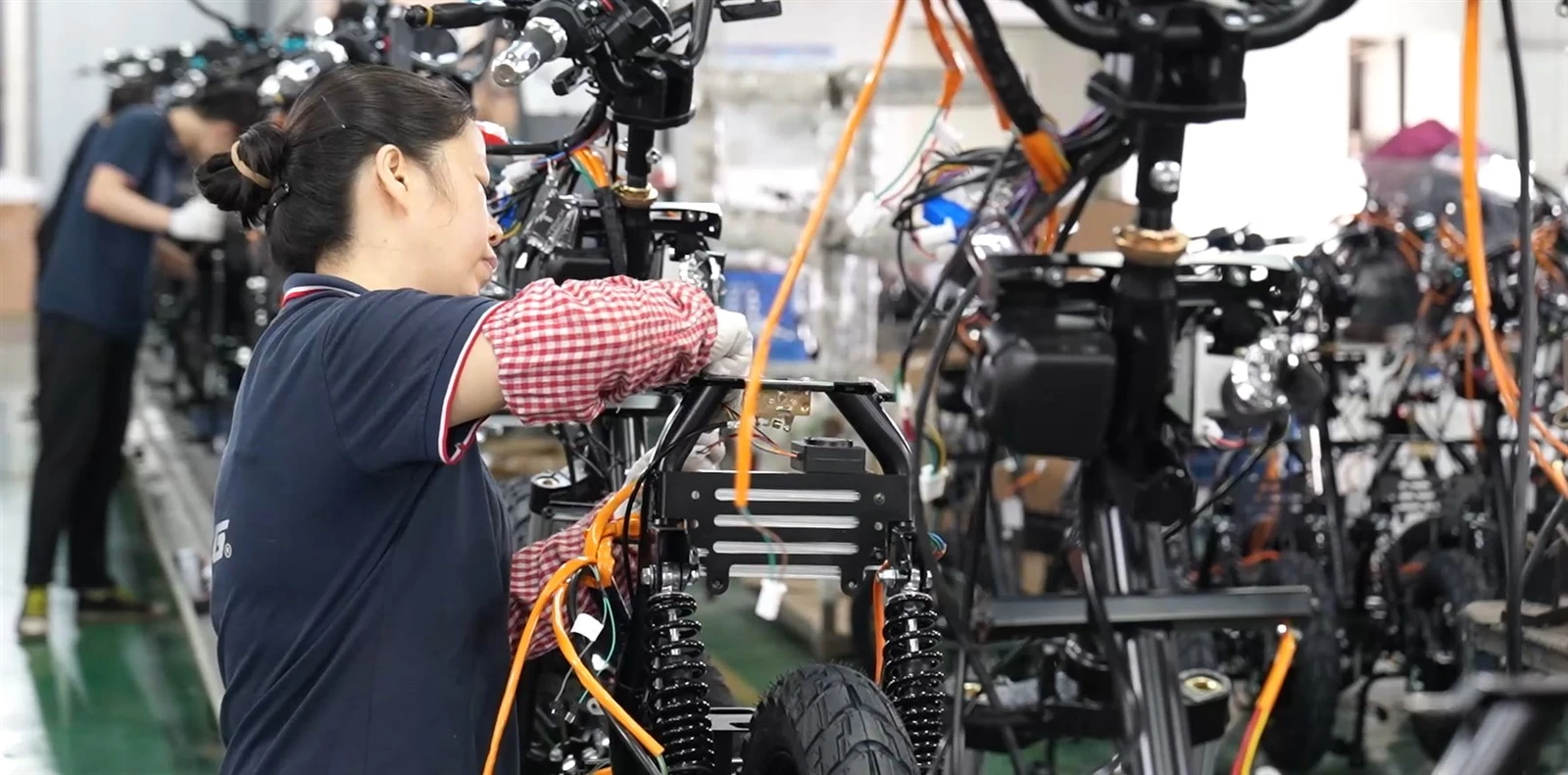
For regular commuting or commercial use, buyers should consider the typical road conditions and expected daily riding time before selecting a model. A vehicle designed for smooth city streets may not provide the same comfort on rough roads
 .
5. Are Electric Two-Wheelers Suitable for Everyone?
Electric two-wheelers can be practical for short commutes, local errands, and other trips within their available range. However, they may be less suitable for users who regularly travel long distances, have limited access to charging, or frequently ride on poor road surfaces.
The best choice depends on the intended application, battery capacity, charging conditions, safety features, and expected riding environment.
For international distributors and fleet operators, these considerations also affect product selection. Matching the vehicle to local road conditions and customer requirements can help reduce complaints and improve its suitability for daily use.
Frequently Asked Questions
What are the main disadvantages of electric two-wheelers?
The main disadvantages include limited riding range, charging time, greater exposure to injury in traffic accidents, and potentially limited comfort on rough roads. The extent of these limitations depends on the vehicle's design and how it is used.
Why is the range of an electric two-wheeler limited?
Range depends on battery capacity, motor efficiency, riding speed, vehicle load, temperature, terrain, and riding habits. A larger battery may provide more range, but actual performance depends on the complete vehicle system.
Are electric two-wheelers safe for daily commuting?
They can be used for daily commuting when riders follow traffic laws and use appropriate protective equipment. However, riders have less physical protection than occupants of enclosed vehicles, so safe riding practices and well-maintained brakes and tires are essential.
Are electric two-wheelers comfortable for long-distance travel?
Comfort depends on the seat, suspension, riding position, road surface, and vehicle design. Some models are better suited to longer journeys than others, but limited range and charging requirements should also be considered.
Conclusion
Electric two-wheelers offer a practical option for many short-distance journeys, but limited range, charging time, traffic safety risks, and riding comfort can affect their suitability for certain users.
Before choosing an electric scooter, electric moped, or electric motorcycle, compare the battery range, charging requirements, braking system, suspension, and intended application. Selecting a model that matches local road conditions and daily travel needs can help provide a more practical riding experience.


