


Electric Three-Wheeler vs. Regular Electric Two-Wheeler: What Is the Difference?
An electric three-wheeler and a regular electric two-wheeler differ in vehicle structure, handling, load capacity, and intended use. Electric three-wheelers are often designed for applications that require additional stability or space for carrying passengers and cargo. Electric two-wheelers are generally lighter, easier to maneuver, and more convenient for everyday commuting.
The right choice depends on how the vehicle will be used, the required carrying capacity, the distance traveled, and local road regulations
 .
1. Motor Power and Riding Range
Electric three-wheelers may use higher-power motors and larger batteries, especially models designed for passenger transport or cargo delivery. These configurations can provide the power and energy capacity needed to carry heavier loads.
However, motor power and riding range vary by model. A three-wheeler does not automatically offer greater range than a two-wheeler. Battery capacity, vehicle weight, motor efficiency, payload, road conditions, and riding speed all affect performance.
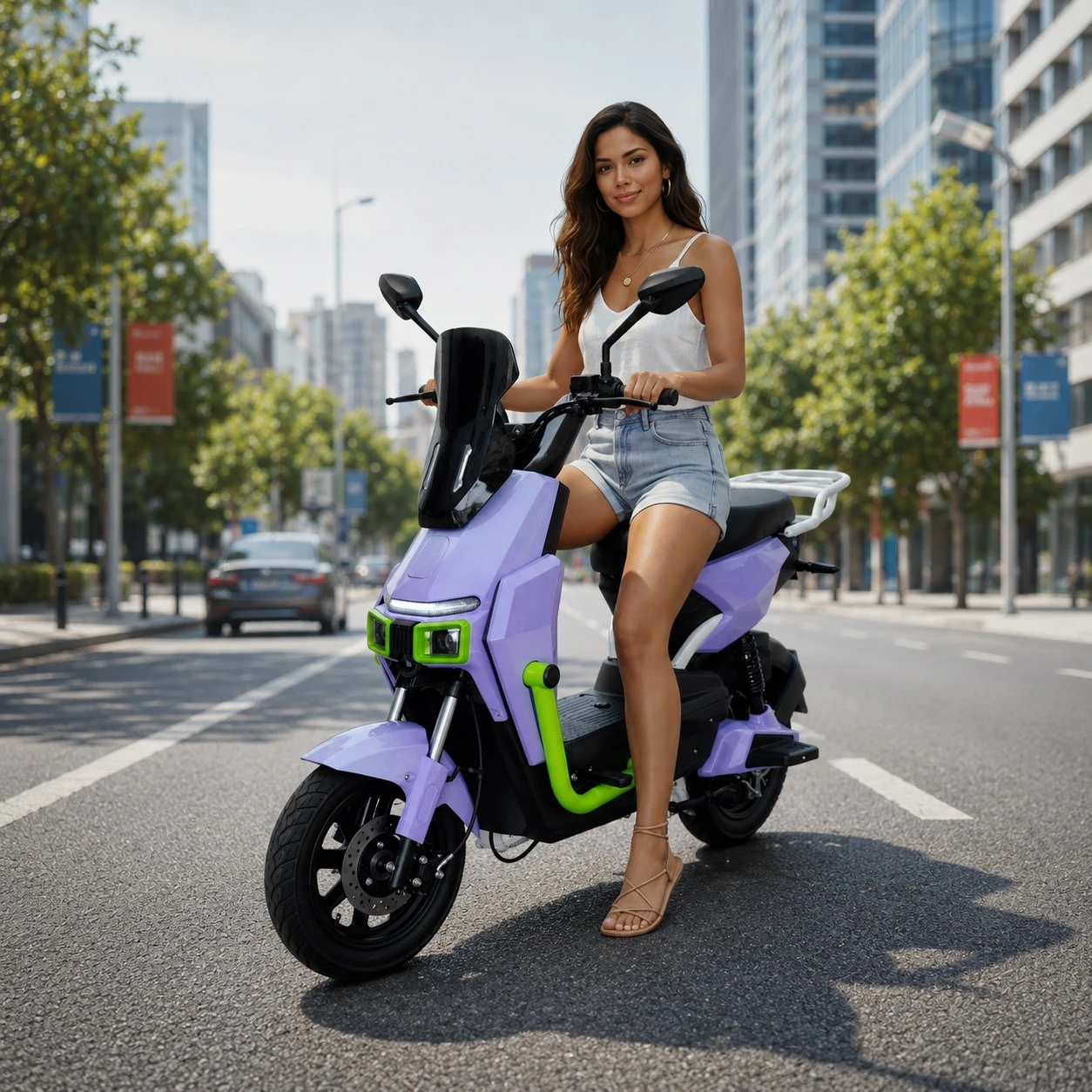
Regular electric two-wheelers are often designed for personal transportation and short urban trips. Their smaller size and lighter weight can make them practical for daily commuting, shopping, and other local journeys.
When comparing models, buyers should check the rated motor power, battery capacity, maximum load, and expected riding range rather than relying on the number of wheels alone.
2. Vehicle Structure and Stability
An electric three-wheeler has three wheels and a chassis designed to support its particular body configuration. Depending on the model, it may offer a wider platform, additional seating, or a dedicated cargo area.
The third wheel can provide greater static stability than a two-wheeler, which requires the rider to maintain balance. However, three-wheelers can still tip or become unstable during sharp turns, sudden maneuvers, or uneven-road driving. Stability depends on the vehicle's center of gravity, wheel arrangement, suspension, and load distribution.
A regular electric two-wheeler has a narrower and lighter structure. Its compact design makes it easier to navigate through congested streets and smaller spaces, although the rider must maintain balance while riding.
3. Braking Performance and Safety
Braking performance depends on the vehicle's weight, speed, tire grip, brake design, and maintenance condition.
Electric three-wheelers intended for heavier loads may require braking systems designed to handle greater weight. Buyers should check the actual brake configuration and the manufacturer's specifications instead of assuming that every three-wheeler has a more advanced braking system.
Electric two-wheelers are generally lighter, but their smaller size does not eliminate the risks associated with traffic or sudden braking.
For both vehicle types, properly maintained brakes, suitable tires, appropriate lighting, and compliance with local safety requirements are important.
4. Cargo Capacity and Passenger Transport
Carrying capacity is one of the main reasons buyers choose an electric three-wheeler.
Depending on its design, an electric three-wheeler may provide a rear cargo platform, a cargo box, or additional passenger seating. These configurations can suit local delivery, small-scale transportation, and certain commercial applications.
Regular electric two-wheelers are usually better suited to individual commuting and light personal items. Their carrying capacity depends on the model and should remain within the manufacturer's specified limits.
For wholesalers, distributors, and fleet operators, choosing the right vehicle starts with identifying the expected payload, passenger requirements, and daily operating conditions.
5. Maneuverability, Parking, and Comfort
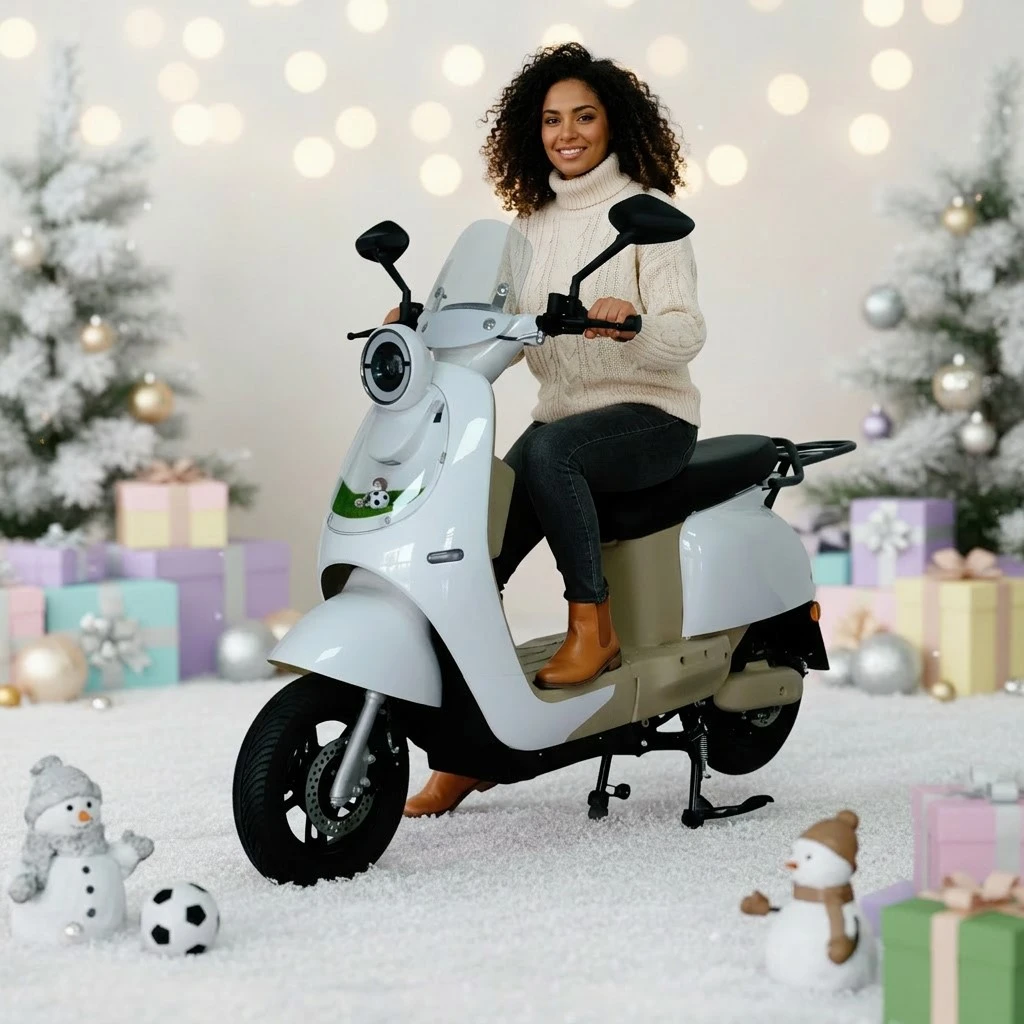
Regular electric two-wheelers are typically compact and easy to park. Their smaller footprint can be an advantage in crowded cities, narrow streets, and areas where parking space is limited.
Electric three-wheelers are generally wider and may need more room to turn and park. Their comfort levels vary according to seat design, suspension, wheelbase, and whether the vehicle is intended for cargo or passenger use.
A three-wheeler designed for transporting goods may prioritize load capacity over passenger comfort, while a passenger model may offer a different seating arrangement.
Buyers should evaluate the actual vehicle layout and operating environment before choosing between the two types
 .
6. Purchase Cost and Intended Use
Regular electric two-wheelers generally have a lower purchase cost than larger, more complex three-wheelers. Their compact design can make them a practical option for personal mobility and short-distance commuting.
Electric three-wheelers may cost more when they have larger batteries, higher-power motors, reinforced chassis structures, or dedicated passenger and cargo configurations. Actual prices depend on specifications, production quality, and market conditions.
In general, an electric two-wheeler may suit individual travel, while an electric three-wheeler may be more appropriate when additional load capacity or a specific passenger configuration is required.
7. Regulations in Different Markets
Vehicle classification is an important consideration for international buyers. An electric three-wheeler may be classified differently depending on its design, maximum speed, motor power, seating capacity, and intended use.
Licensing, registration, insurance, certification, and road-access requirements vary between countries. Buyers should verify the rules in the destination market before importing or distributing an electric three-wheeler or electric two-wheeler.
Frequently Asked Questions
Is an electric three-wheeler more powerful than a regular electric two-wheeler?
Not always. Some three-wheelers use higher-power motors to carry heavier loads, but motor power depends on the specific model and configuration.
Does an electric three-wheeler have a longer range?
Not necessarily. Range depends on battery capacity, vehicle weight, motor efficiency, load, speed, and road conditions. Compare the actual specifications of individual models.
Which is better for cargo delivery?
An electric three-wheeler with a suitable cargo area and rated payload may be more practical for transporting goods. The appropriate choice depends on the size and weight of the cargo and the delivery environment.
Which is easier to ride in a crowded city?
A regular electric two-wheeler is generally easier to maneuver and park in narrow streets. A three-wheeler may need more turning and parking space, depending on its dimensions.
Conclusion
The main difference between an electric three-wheeler and a regular electric two-wheeler lies in their structure, carrying capacity, handling, and intended application. Three-wheelers can be suitable for passenger transport and cargo-related tasks, while two-wheelers are often more convenient for personal commuting and navigating congested streets.
Before choosing a model, compare motor power, battery capacity, rated payload, braking configuration, dimensions, and local vehicle regulations. Matching the vehicle to its intended use is more important than assuming that one design is always better than the other.


