


What Is a Two-Wheel Electric Vehicle? Structure, Working Principle, and Types
A two-wheel electric vehicle is a battery-powered vehicle designed for personal transportation. It uses an electric motor instead of a traditional fuel-powered engine and is commonly used for daily commuting, short-distance travel, and urban mobility.
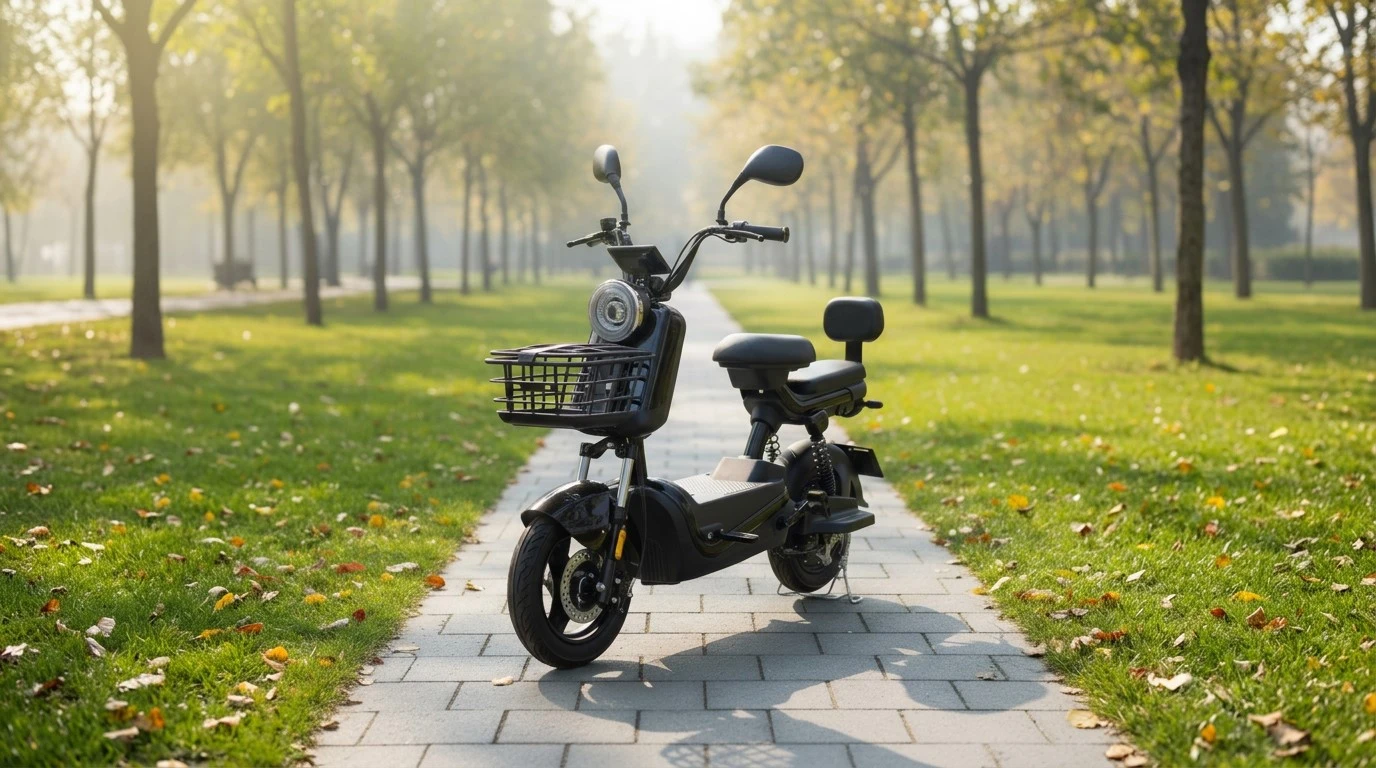
A typical two-wheel electric vehicle consists of a frame, electric motor, battery, controller, charger, handlebars, seat, wheels, and braking system. These components work together to provide power, control, and riding stability.
For buyers, importers, and distributors, understanding how a two-wheel electric vehicle works is an important step when comparing different models and selecting products for a target market.
1. Main Components of a Two-Wheel Electric Vehicle
Although the design varies between electric bicycles, electric scooters, and electric motorcycles, most two-wheel electric vehicles share several basic components.
Frame
The frame is the main supporting structure of the vehicle. It holds the motor, battery, seat, wheels, and other components in position.
Frame design affects vehicle strength, weight distribution, riding comfort, and overall appearance.
Electric Motor
The electric motor converts electrical energy from the battery into mechanical power. This power drives the wheel and moves the vehicle forward.
Motor specifications, including rated power and design, influence acceleration, climbing ability, and overall riding performance.
Battery
The battery stores the electrical energy required to operate the vehicle. Two common battery types used in electric two-wheelers are lead-acid batteries and lithium batteries.
Battery capacity and voltage are important specifications when evaluating a vehicle's energy storage and expected riding range. The actual range also depends on motor efficiency, vehicle weight, speed, road conditions, and riding habits.
Controller
The controller manages the electrical power supplied to the motor. It responds to the rider's input and regulates motor operation, helping control acceleration and vehicle speed.
The controller must be compatible with the battery and motor to ensure the electrical system operates correctly.
Charger
The charger supplies electrical energy to recharge the battery. It must match the battery's voltage and charging requirements.
Using a compatible charger is important for reliable battery operation and charging safety.
Handlebars, Seat, Wheels, and Brakes
The handlebars allow the rider to steer and control the vehicle. The seat provides a place to sit, while the front and rear wheels support movement.
The braking system helps the rider reduce speed and stop when necessary. Its design and performance are important considerations when evaluating vehicle safety.
2. How Does a Two-Wheel Electric Vehicle Work?
A two-wheel electric vehicle operates through the cooperation of its battery, controller, and electric motor.
When the rider turns on the vehicle and operates the throttle or pedal-assist system, the controller receives the corresponding input. It then regulates the electrical current supplied by the battery to the motor.
The motor converts this electrical energy into mechanical power, producing the torque needed to drive the wheel. As the wheel rotates, the vehicle moves forward.
The basic operating process can be summarized as follows:
The battery stores electrical energy.
The controller manages power delivery based on rider input.
The motor converts electrical energy into mechanical power.
The wheel rotates and moves the vehicle.
The braking system helps control speed and bring the vehicle to a stop.
This electric drive system replaces the fuel combustion process used in conventional gasoline-powered motorcycles.
3. Common Types of Two-Wheel Electric Vehicles
Two-wheel electric vehicles come in different designs to meet different transportation needs. Their classification and legal definitions vary between countries, so buyers should distinguish between vehicle design and local legal categories.
Electric Bicycles
Electric bicycles are designed around a bicycle-style structure. Depending on the model, they may use pedal assistance, a throttle, or both.
Some models include pedals that allow riders to pedal without relying entirely on the motor. They are commonly used for commuting, leisure riding, and short-distance transportation.
However, the legal definition of an electric bicycle differs by market. Requirements may cover motor power, maximum assisted speed, pedal functionality, registration, and other specifications.
Electric Scooters and Mopeds
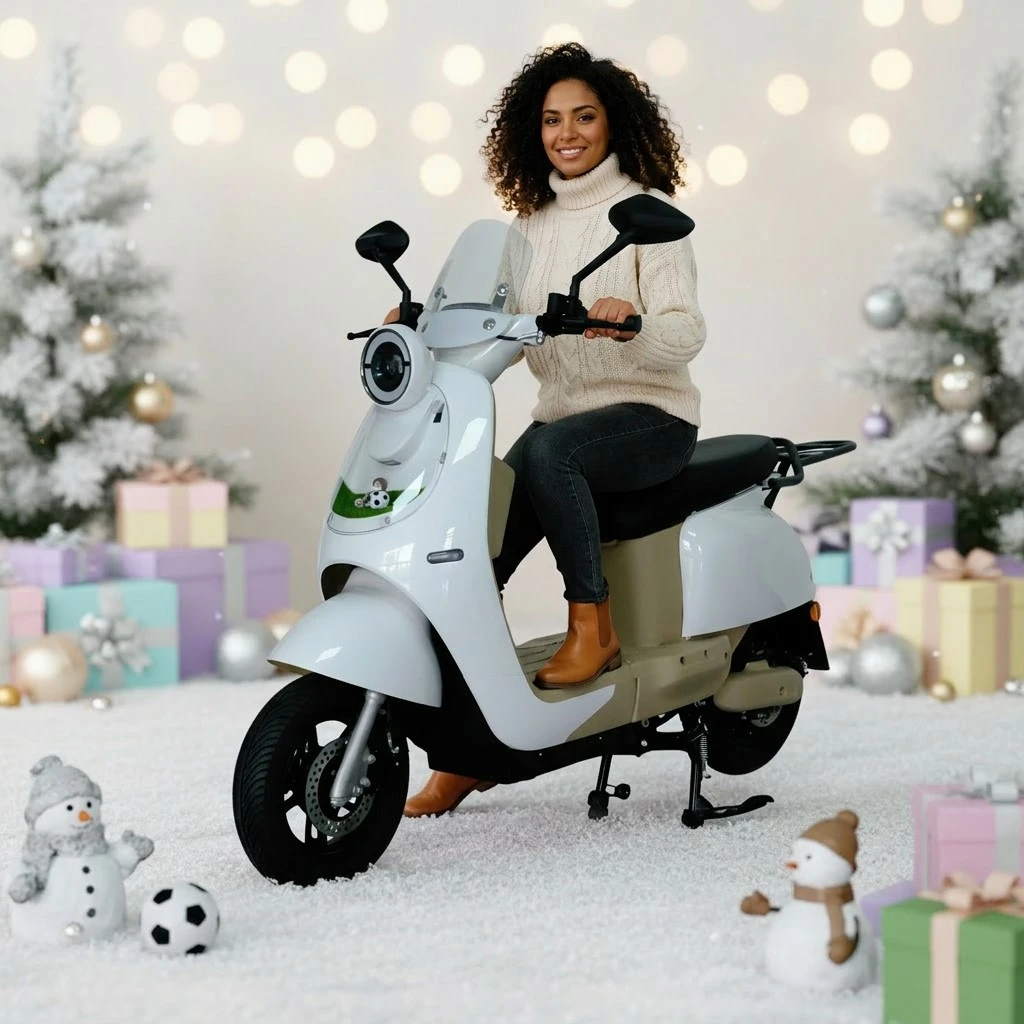
Electric scooters and mopeds are designed for convenient personal transportation. They commonly feature a step-through frame, a seat, handlebars, and an electric drive system.
Depending on their motor power and design, these vehicles may be suitable for urban commuting and other short-distance travel.
Their legal classification varies by country. Some models may fall under electric bicycle or moped regulations, while others may be classified as motorcycles.
Electric Motorcycles
Electric motorcycles generally have a motorcycle-style design and are built for higher performance than many basic electric bicycles.
They use an electric motor and rechargeable battery to provide propulsion. Depending on their specifications, they may offer stronger acceleration and higher maximum speeds.
In some markets, electric motorcycles require vehicle registration, a suitable driving licence, insurance, or other legal documentation. Buyers should check the requirements of their intended market before importing or selling these vehicles
 .
4. What Are the Advantages of Two-Wheel Electric Vehicles?
Two-wheel electric vehicles offer several practical advantages for personal transportation.
No Tailpipe Emissions During Riding
Unlike conventional gasoline-powered motorcycles, battery-powered electric two-wheelers do not produce tailpipe exhaust emissions while operating.
Their overall environmental impact still depends on factors such as electricity generation, battery production, and battery disposal.
Convenient Urban Transportation
Their two-wheel design makes them suitable for many urban travel situations. They can be used for daily commuting and short-distance journeys, depending on the vehicle's performance and local road regulations.
Lower Energy Costs in Many Applications
Electric vehicles use stored electrical energy rather than gasoline. Charging costs may be lower than fuel costs in some markets, although the actual savings depend on local electricity prices, riding distance, and vehicle efficiency.
Different Models for Different Needs
The market includes electric bicycles, scooters, mopeds, and motorcycles with different designs and specifications.
This gives buyers more options when selecting vehicles for commuting, personal transportation, and other mobility applications.
5. What Should Buyers Consider When Choosing a Two-Wheel Electric Vehicle?
For importers, wholesalers, and distributors, selecting a suitable two-wheel electric vehicle requires more than comparing appearance and price.
The following factors are worth reviewing before placing an order.
Battery Type and Capacity
Check whether the vehicle uses a lead-acid or lithium battery. Compare battery voltage and capacity according to the expected riding range and target customer requirements.
Motor Specifications
Motor power affects the vehicle's performance. Buyers should consider the intended application, expected load, road conditions, and local market requirements when selecting a motor configuration.
Vehicle Design and Application
Different models serve different purposes. Electric bicycles may be suitable for pedal-assisted transportation, while electric scooters and motorcycles can serve other commuting and mobility needs.
The product should match the preferences and requirements of the intended customer group.
Local Regulations
Electric vehicle regulations differ between countries and regions. Before importing, check applicable requirements for motor power, maximum speed, vehicle classification, registration, certification, and road use.
A model that is legally classified as an electric bicycle in one market may be treated differently in another.
Manufacturer and Customization Support
For bulk buyers, it is also important to evaluate the manufacturer's production capabilities, quality control process, available configurations, and OEM or ODM customization options.
These factors can help distributors select products that fit their market positioning and business requirements.
Frequently Asked Questions
What are the main components of a two-wheel electric vehicle?
The main components usually include a frame, electric motor, battery, controller, charger, handlebars, seat, wheels, and braking system. Each component plays a role in vehicle structure, power delivery, operation, or safety.
How does a two-wheel electric vehicle move?
The battery supplies electrical energy to the controller, which regulates power delivery to the motor. The motor converts electrical energy into mechanical power and drives the wheel, moving the vehicle forward.
What types of batteries are used in two-wheel electric vehicles?
Lead-acid and lithium batteries are two common options. The suitable type depends on the vehicle design, required capacity, weight considerations, cost, and target market.
What is the difference between an electric bicycle and an electric motorcycle?
An electric bicycle generally has a bicycle-style design and may include pedal assistance. An electric motorcycle usually has a motorcycle-style structure and may offer higher motor power and speed. Their legal definitions and operating requirements vary by country.
Are two-wheel electric vehicles suitable for daily commuting?
Many models are designed for daily commuting and short-distance transportation. Suitability depends on battery capacity, riding range, road conditions, vehicle performance, and local regulations.
Conclusion
A two-wheel electric vehicle uses a battery-powered motor system to provide personal transportation. Its main components include the frame, motor, battery, controller, charger, wheels, and braking system.
Electric bicycles, scooters, mopeds, and electric motorcycles serve different mobility needs. When choosing a model, buyers should compare its structure, battery, motor specifications, intended application, and local regulatory requirements.
For importers and distributors, understanding these differences helps identify suitable electric two-wheelers for their target markets.


