


What Is the Difference Between a Three-Wheel Motorcycle and an Electric Tricycle?
Three-wheel motorcycles and electric tricycles both have three wheels, but they differ in their power systems, speed, range, vehicle structure, operating costs, and driving requirements.
A three-wheel motorcycle typically uses a fuel-powered engine, while an electric tricycle relies on a battery and electric motor. These differences affect how each vehicle performs, how much it costs to operate, and which applications it is best suited for.
Understanding the differences between a three-wheel motorcycle and an electric tricycle can help buyers choose the right vehicle for personal transportation, cargo delivery, or commercial use.
1. Power System: Fuel Engine vs. Electric Motor
The main difference between a three-wheel motorcycle and an electric tricycle is their power source.
A three-wheel motorcycle is generally equipped with a gasoline engine. Common engine configurations include single-cylinder, twin-cylinder, and, in some models, three-cylinder engines. These engines can provide strong torque and power, making them suitable for longer journeys and heavier transportation tasks.
An electric tricycle uses an electric power system consisting of a battery, motor, and controller. The battery stores electrical energy, the motor drives the wheels, and the controller manages power output. Compared with fuel-powered models, electric tricycles are generally quieter and produce no exhaust emissions during operation.
For buyers who prioritize fuel-powered performance, a three-wheel motorcycle may be a suitable option. Electric tricycles are worth considering for short-distance transportation and applications where lower operating costs are important.
2. Speed and Driving Range
Speed and driving range are important factors when comparing these two types of vehicles.
Three-wheel motorcycles generally offer higher speeds and longer driving ranges than many standard electric tricycles. Some high-performance models can reach speeds of 80 km/h or more. Depending on the fuel tank capacity, engine efficiency, and riding conditions, some models can travel more than 200 km on a full tank.
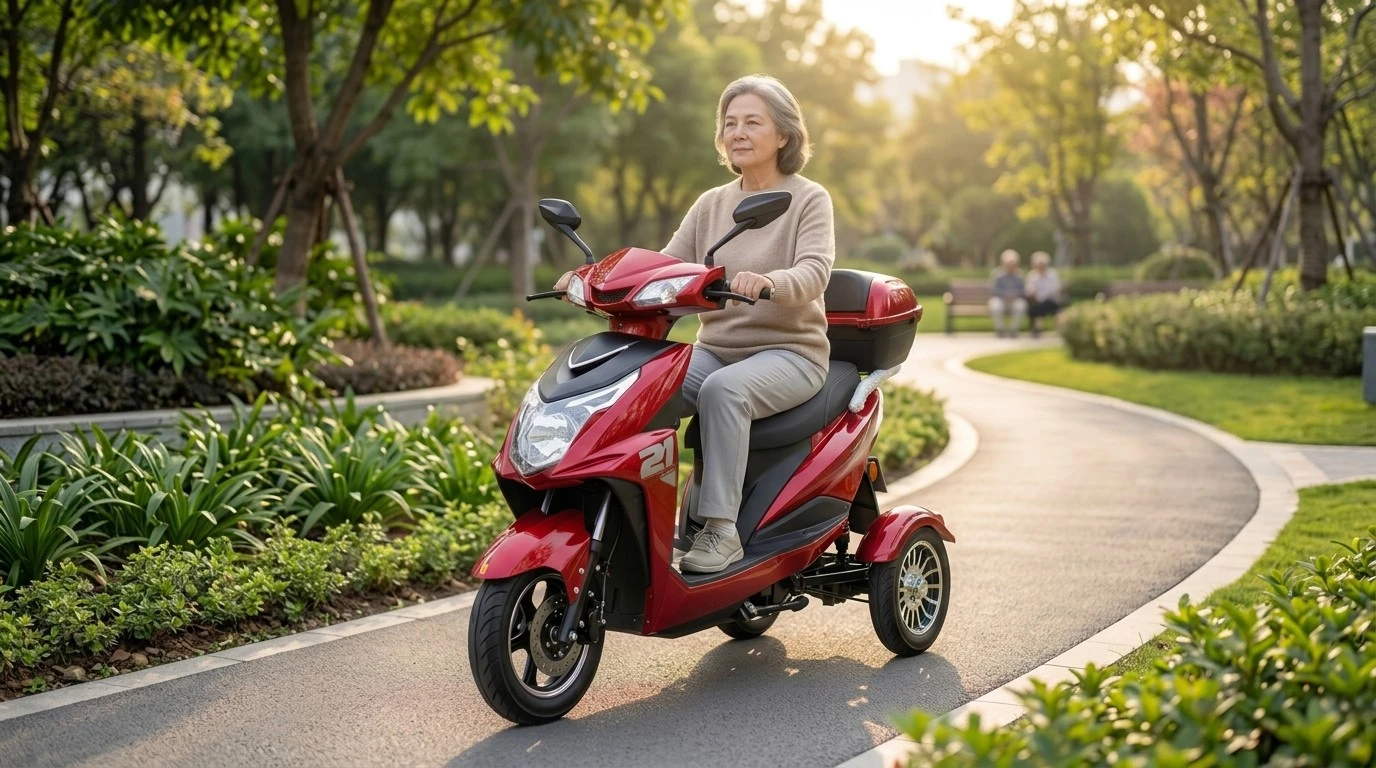
Electric tricycles generally have speeds of around 40–50 km/h, although actual performance depends on the motor, battery configuration, and vehicle design. Their driving range is closely related to battery capacity. Many models can travel several dozen kilometers per charge, while some electric tricycles equipped with larger batteries can reach approximately 100 km under suitable conditions.
For buyers who need longer-distance transportation, a three-wheel motorcycle may offer an advantage. For daily local transportation and shorter delivery routes, an electric tricycle can be a practical alternative
 .
3. Vehicle Structure and Braking System
Although both vehicles have three wheels, their structural designs and components can vary.
Three-wheel motorcycles commonly use welded metal frames designed to support the engine, vehicle body, passengers, and cargo. Their frames are generally built to handle the loads and stresses associated with motorized transportation. Depending on the model, the braking system may use disc brakes or drum brakes.
Electric tricycles often use steel-tube frames and are designed around their electric motors and battery systems. Their overall structure and weight vary depending on whether the vehicle is intended for passenger transportation or cargo applications.
Drum brakes and other braking configurations are commonly used on electric tricycles, while some models are also equipped with disc brakes.
When comparing vehicles, buyers should consider frame construction, load requirements, braking configuration, and overall vehicle design rather than judging quality by the number of wheels alone.
4. Purchase Price and Operating Costs
The purchase price and long-term operating costs can differ significantly between the two vehicle types.
A three-wheel motorcycle may have a higher purchase price because it includes a fuel engine and related mechanical components. Daily operation requires gasoline, and maintenance may involve engine oil changes, spark plug replacement, and other engine-related servicing.
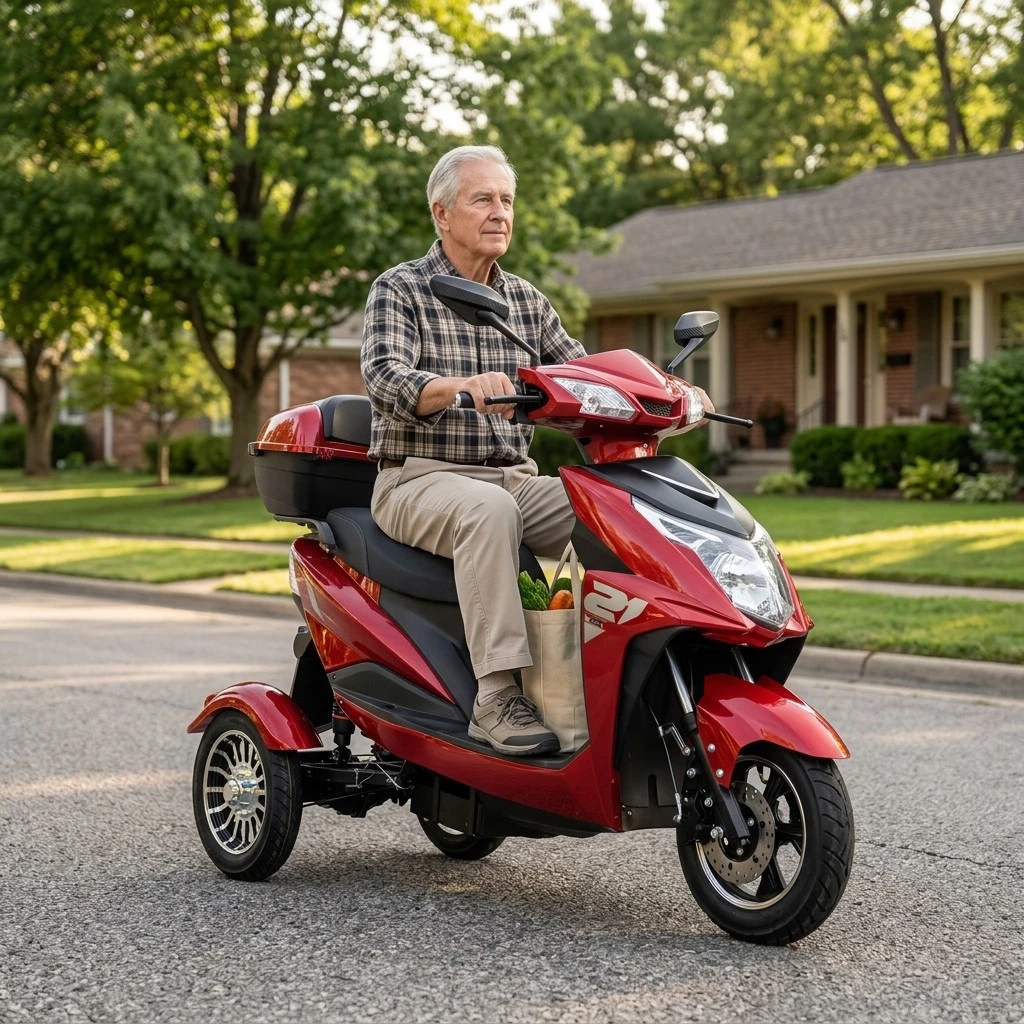
An electric tricycle generally has lower energy costs because it runs on electricity rather than gasoline. Its maintenance requirements are also different, with regular checks focusing on the battery, motor, controller, brakes, and other electrical or mechanical components.
However, the actual cost of ownership depends on the vehicle configuration, battery type, usage frequency, local fuel and electricity prices, and maintenance requirements.
For businesses operating delivery vehicles or local transportation fleets, comparing total operating costs is important when selecting between fuel-powered and electric models.
5. Driving Requirements and Licensing Regulations
Driving requirements are another important difference between three-wheel motorcycles and electric tricycles.
In China, driving a three-wheel motorcycle generally requires an appropriate motorcycle driving license. Depending on the vehicle classification and applicable regulations, the relevant license category may include D, E, or F. The correct license must match the vehicle's legal classification.
Electric tricycle licensing requirements vary according to local regulations and vehicle classification. Some areas have relatively flexible requirements, while others require an appropriate driving license, vehicle registration, or other legal documentation.
For international buyers, it is important to understand that regulations differ between countries and regions. Vehicle classification, maximum speed, motor power, registration requirements, and license categories may all affect whether a particular electric tricycle or three-wheel motorcycle can be legally used.
Before importing or purchasing a vehicle, buyers should check the local transportation regulations and confirm that the vehicle meets the requirements of the intended market.
6. Which One Should You Choose?
The right choice depends on your transportation needs, operating budget, and local regulations.
A three-wheel motorcycle may be more suitable for buyers who need higher speeds, longer-distance travel, or fuel-powered performance.
An electric tricycle may be a better option for short-distance transportation, local deliveries, and businesses looking for an electric alternative with relatively low energy costs.
For distributors, wholesalers, and fleet operators, the decision should also consider vehicle configuration, battery capacity, motor power, load requirements, maintenance costs, and local market regulations.
Comparing these factors before purchasing can help buyers select a three-wheel vehicle that better matches their business or transportation needs.
Frequently Asked Questions
1. Is an electric tricycle the same as a three-wheel motorcycle?
No. Both vehicles have three wheels, but their power systems are different. A three-wheel motorcycle generally uses a fuel-powered engine, while an electric tricycle uses a battery-powered electric motor.
2. Which is faster, a three-wheel motorcycle or an electric tricycle?
A three-wheel motorcycle is generally faster than a standard electric tricycle. Some three-wheel motorcycle models can exceed 80 km/h, while many electric tricycles operate at approximately 40–50 km/h. Actual speeds depend on the vehicle configuration.
3. Which vehicle has lower operating costs?
Electric tricycles generally have lower energy costs because electricity is usually less expensive than gasoline for comparable short-distance use. However, total operating costs also depend on battery replacement, maintenance, and local energy prices.
4. Do electric tricycles require a driving license?
It depends on the vehicle classification and local regulations. Some regions require a specific driving license, while others have different registration and operating requirements. Buyers should check local laws before purchasing.
5. What should buyers consider when purchasing an electric tricycle?
Important factors include motor power, battery capacity, driving range, maximum speed, frame construction, braking system, load capacity, and compliance with local regulations.
For wholesalers, distributors, and commercial fleet buyers, selecting the right vehicle configuration is also important for meeting local market requirements.


