


As the global electric mobility market continues to expand, more distributors and importers are looking beyond standard products. Instead of buying ready-made models, many businesses now want custom e-mopeds that match local regulations, customer preferences, and their own brand identity.
However, not every manufacturer advertising OEM services offers the same level of customization. Some only provide logo printing, while others support different battery options, accessories, packaging, or vehicle configurations.
This guide explains what to expect from a custom e-moped manufacturer, how to evaluate potential OEM partners, and which companies are worth considering for private label projects.
What Does a Custom E-Moped Manufacturer Actually Offer?
OEM means different things depending on the factory. Before requesting a quotation, buyers should understand which customization options are actually available.
Branding
The most common customization is visual branding, including:
- Company logo
- Decals
- Color schemes
- Packaging artwork
- User manuals
Some manufacturers also support custom labels and export cartons.
Performance Configuration
Depending on the model, buyers may be able to choose:
- Lead-acid or lithium batteries
- Different motor power options
- Controller configurations
- Tire specifications
Available options vary by product platform, so they should always be confirmed before production.
Functional Accessories
Commercial customers often request accessories such as:
- Rear cargo racks
- Delivery boxes
- Windshields
- Phone holders
- USB charging ports
These accessories are common for delivery fleets and urban mobility projects.
Market Compliance
Certain markets require different lighting, mirrors, braking systems, or certification-related equipment.
For this reason, customization should always consider the regulations of the destination country instead of focusing only on appearance.
Key Factors When Choosing an OEM E-Moped Manufacturer
A professional OEM supplier offers more than production capacity. Buyers should evaluate the entire manufacturing process.
Manufacturing Experience
Factories with long-term manufacturing experience often have more mature production management and supply chains.
According to its published company information, MiLG has been involved in the electric vehicle industry since 1996. Buyers can review the company's background through the About Us page:
Experience alone does not guarantee quality, but it provides useful context when comparing suppliers.
Factory Scale
Production capability becomes increasingly important for distributors placing repeat orders.
According to MiLG's published information, the company operates:
- 30,000㎡ factory area
- 7,000㎡ production workshop
- Around 100 employees
- Stated daily production capacity of approximately 300–500 units
These figures provide buyers with a general understanding of manufacturing capability, although product availability should always be confirmed for specific models.
Product Categories
A supplier with multiple product lines can often support different customer groups.
For example, MiLG offers:
This wider product portfolio may benefit distributors serving several market segments.
Certifications
Certification requirements vary by market.
Depending on the destination country, buyers may need products that comply with EEC, CE, DOT, EPA, or other local requirements.
Before finalizing specifications, review the destination market's regulations. You can also refer to your blog Electric Motorcycle Certifications Required for Different Markets for a broader overview.
Communication During OEM Projects
A successful OEM project depends on clear communication.
Before production begins, both parties should confirm:
- Technical drawings
- Vehicle specifications
- Component selections
- Sample approval
- Packaging details
- Delivery schedule
Confirming these details early helps reduce production delays and unnecessary revisions.
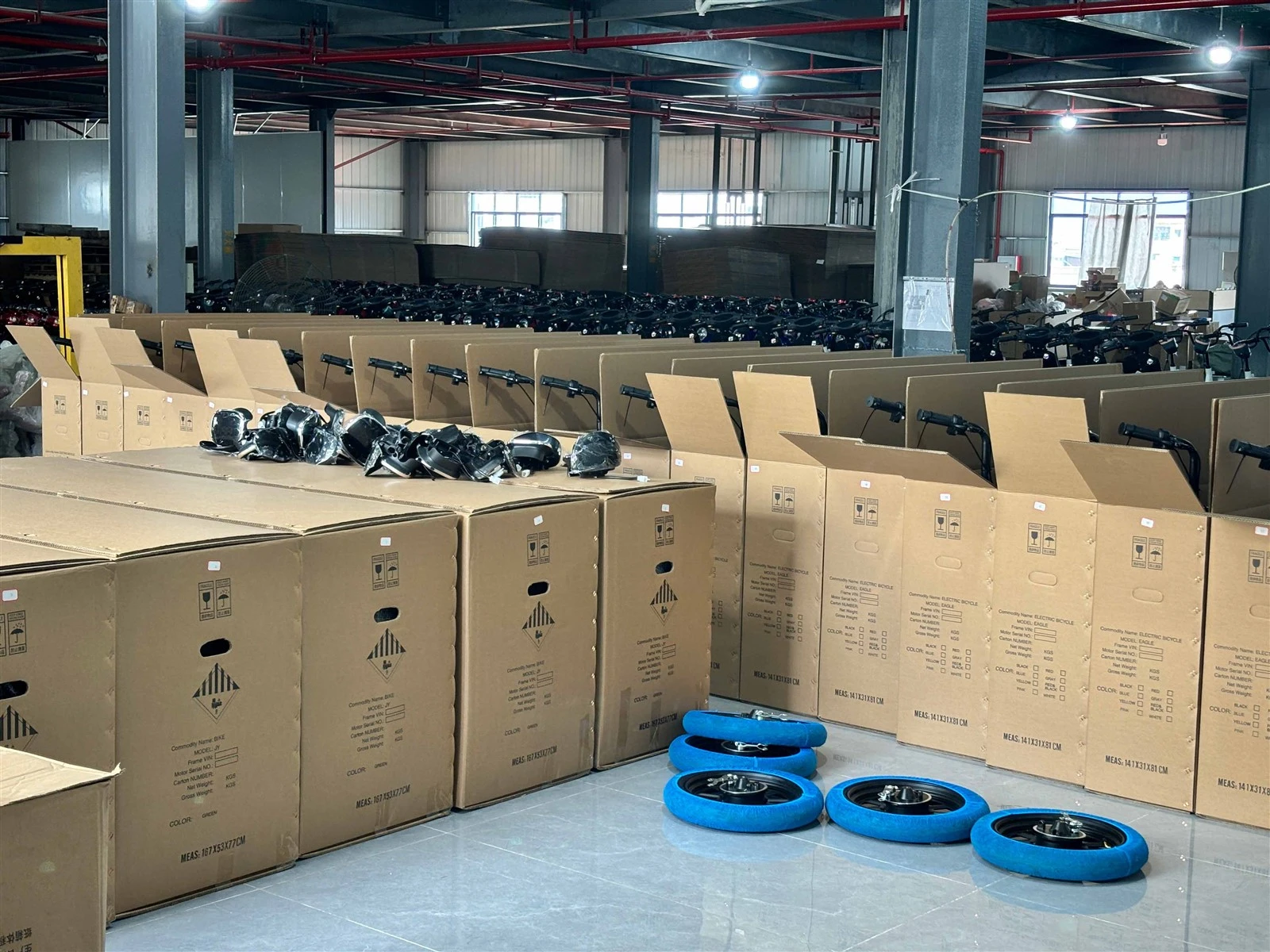
10 Custom E-Moped Manufacturers Worth Considering
The following companies represent different strengths within the electric mobility industry. Rather than treating them as a strict ranking, buyers should compare suppliers based on their own project requirements.
1. MiLG (China)
MiLG manufactures electric motorcycles, electric bikes, and electric tricycles for international B2B customers.
According to its published company information, the company has been involved in electric vehicle manufacturing since 1996 and operates a 30,000㎡ manufacturing facility with a stated production capacity of approximately 300–500 units per day.
Its product portfolio makes it suitable for distributors looking for multiple electric mobility categories rather than a single product line.
2. Yadea (China)
Yadea offers a broad portfolio of electric two-wheelers and has extensive experience in consumer mobility products.
3. NIU Technologies (China)
NIU focuses on connected urban mobility products and smart electric scooters.
4. SUNRA (China)
SUNRA manufactures electric scooters and motorcycles for domestic and international markets.
5. TAILG (China)
TAILG develops electric transportation products covering multiple vehicle categories.
6. VMOTO / Super Soco
VMOTO focuses on modern electric motorcycles designed primarily for urban transportation.
7. ZNEN (China)
ZNEN combines motorcycle manufacturing experience with electric vehicle production.
8. Luyuan (China)
Luyuan has established experience in electric bicycles and urban electric transportation.
9. Horwin
Horwin develops electric motorcycles aimed at international markets with modern styling.
10. Tromox
Tromox focuses on lightweight electric motorcycles for younger urban riders.
Which Customizations Matter Most to Importers?
Not every customization creates equal value. Most importers focus on four major areas.
Brand Identity
Creating a recognizable product is often the first priority.
Typical branding includes:
- Logos
- Stickers
- Body colors
- Packaging
Vehicle Performance
Depending on customer needs, buyers may request:
- Different battery capacities
- Motor options
- Controller settings
- Tire configurations
Any performance changes should be evaluated together with local regulations.
Commercial Accessories
Fleet operators may require additional equipment such as:
- Rear delivery boxes
- Front baskets
- Phone holders
- Protective accessories
Selecting suitable accessories before production can simplify future procurement.
Regulatory Requirements
Lighting systems, mirrors, braking components, and other equipment may vary depending on the destination market.
Therefore, compliance should always be discussed before production begins.
Why Many Buyers Choose Chinese OEM Manufacturers
China has become one of the world's largest electric vehicle manufacturing centers.
Several factors contribute to this position:
- Mature supply chains
- Wide component availability
- Diverse product categories
- Extensive manufacturing experience
For importers new to the sourcing process, the blog How to Import Electric Motorcycles from China can help explain supplier selection, documentation, and shipping preparation.
How to Start an OEM E-Moped Project
A structured purchasing process usually leads to better results.
Step 1
Define your target market and customer needs.
Step 2
Choose a suitable vehicle platform.
Buyers can compare different vehicle types through MiLG's Electric Motorcycle category
Step 3
Confirm specifications.
Agree on battery type, motor options, colors, accessories, and packaging before sampling.
Step 4
Approve samples.
Testing a sample helps verify product quality and specifications before mass production.
Step 5
Begin production.
After confirming specifications and production schedules, manufacturing can proceed according to the agreed plan.
Common OEM Mistakes
Choosing Only by Price
The lowest quotation does not always provide the best long-term value.
Component quality, consistency, and communication should also be considered.
Ignoring Certification Requirements
Products intended for one market may not satisfy another market's regulations.
Certification should always be verified before shipment.
Skipping Sample Evaluation
Samples allow buyers to confirm quality, appearance, and functionality before placing larger orders.
Assuming Every Factory Offers Full Customization
OEM capabilities differ significantly between manufacturers.
Always confirm exactly which customization services are available before making commitments to customers.
Final Thoughts
Choosing the best custom e-moped manufacturer is about finding a supplier that matches your business objectives rather than simply selecting the largest factory.
A reliable OEM partner should demonstrate manufacturing experience, clear communication, stable production capability, and product solutions that fit your target market.
MiLG is one manufacturer worth evaluating for international OEM projects. According to its published company information, the company provides electric motorcycles, electric bikes, and electric tricycles for global B2B customers while offering multiple product categories that distributors can review based on their own market needs.
Before placing a bulk order, compare suppliers carefully, verify specifications, review certifications, and evaluate samples to build a long-term sourcing partnership.
Frequently Asked Questions
What is a custom e-moped manufacturer?
A custom e-moped manufacturer provides OEM or private label services that may include branding, selected component options, and packaging customization, depending on the factory.
What parts of an electric moped can usually be customized?
Common customization options include logos, colors, batteries, motors, accessories, and packaging. Available options vary by manufacturer and model.
Do all OEM manufacturers provide private label services?
No. Some only offer basic logo customization, while others support broader OEM projects. Buyers should confirm available services before ordering.
How do I choose an OEM electric motorcycle manufacturer?
Evaluate manufacturing experience, production capability, certifications, communication, product quality, and sample approval before placing a bulk order.
Why do many importers source from China?
China offers a mature electric vehicle supply chain, broad product selection, and many manufacturers with OEM experience, making it an important sourcing destination for global buyers.


