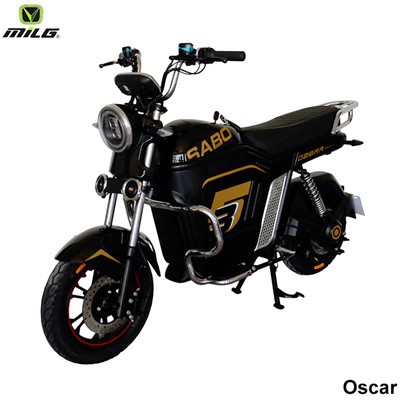
As a seasoned supplier of foldable electric cycles, I often get asked about the range of these nifty machines. The range of a typical foldable electric cycle is a crucial factor for many potential buyers, as it directly impacts how far you can travel on a single charge. In this blog post, I'll delve into the various factors that influence the range of a foldable electric cycle and provide you with a better understanding of what to expect.
Understanding the Basics of Range
The range of a foldable electric cycle refers to the maximum distance it can travel on a single charge. This distance can vary significantly depending on several factors, including the battery capacity, motor power, terrain, rider weight, and riding style. Generally, foldable electric cycles have a range that can vary from as little as 15 miles to over 100 miles on a single charge.
Factors Affecting the Range
Battery Capacity
The battery is the heart of any electric cycle, and its capacity plays a significant role in determining the range. Foldable electric cycles typically come with batteries ranging from 250Wh to 750Wh or more. A higher battery capacity generally means a longer range. For example, a foldable electric cycle with a 250Wh battery might have a range of 15 - 30 miles, while one with a 750Wh battery could potentially travel 50 - 100 miles on a single charge.
Motor Power
The power of the motor also affects the range. A more powerful motor can provide more assistance, but it also consumes more energy. Foldable electric cycles usually have motors ranging from 250W to 1000W. While a 1000W motor can offer more speed and better performance on hilly terrain, it will drain the battery faster compared to a 250W motor. For instance, if you're using a 1000w Folding Electric Bike on a flat road, you might get a decent range, but on hilly terrain or at high speeds, the range will be reduced.
Terrain
The type of terrain you ride on has a significant impact on the range. Riding on flat, smooth roads requires less energy compared to riding on hilly or rough terrain. When going uphill, the motor has to work harder, which consumes more battery power. On the other hand, riding downhill can actually recharge the battery to some extent through regenerative braking. So, if you're planning to ride in a hilly area, you can expect a shorter range compared to riding on a flat surface.
Rider Weight
The weight of the rider also affects the range. A heavier rider requires more power to move the cycle, which means the battery will drain faster. For example, if a 150 - pound rider can get a range of 30 miles on a particular foldable electric cycle, a 200 - pound rider might only get 25 miles on the same cycle.
Riding Style
Your riding style can also influence the range. Aggressive riding, such as frequent acceleration and high - speed riding, will consume more battery power compared to a more conservative riding style. Using the electric assist at a lower level and pedaling more can help extend the range.
Typical Range of Foldable Electric Cycles
Based on the factors mentioned above, here's a general breakdown of the range you can expect from different types of foldable electric cycles:
- Entry - level Foldable Electric Cycles: These cycles usually come with a battery capacity of around 250 - 350Wh and a motor power of 250W. They are suitable for short commutes and urban riding. The range of these cycles is typically between 15 - 30 miles on a single charge.
- Mid - range Foldable Electric Cycles: With a battery capacity of 400 - 600Wh and a motor power of 350 - 500W, these cycles offer a better balance between performance and range. They can cover a distance of 30 - 50 miles on a single charge, making them suitable for longer commutes and weekend rides.
- High - end Foldable Electric Cycles: These cycles are equipped with larger batteries (750Wh or more) and more powerful motors (500 - 1000W). They can offer a range of 50 - 100 miles or more on a single charge, making them ideal for long - distance rides and touring.
Tips to Extend the Range
If you want to get the most out of your foldable electric cycle's range, here are some tips:
- Proper Battery Management: Make sure to charge your battery fully before each ride and avoid over - discharging it. Follow the manufacturer's recommendations for charging and storage.
- Optimize Your Riding Style: Pedal more and use the electric assist at a lower level. Avoid sudden acceleration and high - speed riding, especially on hilly terrain.
- Choose the Right Terrain: Whenever possible, choose flat or gently sloping roads to reduce the energy consumption of the motor.
- Keep Your Cycle Well - Maintained: Regularly check the tire pressure, lubricate the chain, and ensure that all components are in good working condition. A well - maintained cycle will operate more efficiently and consume less energy.
Our Product Range
At our company, we offer a wide range of foldable electric cycles to suit different needs and budgets. Our Top Adult Folding Electric Bike is a popular choice among commuters and urban riders. It has a decent range of 30 - 40 miles on a single charge, thanks to its 400Wh battery and 350W motor.


If you're looking for a lightweight option, our Lightest Foldable Ebike is a great choice. Despite its light weight, it still offers a range of 25 - 35 miles on a single charge, making it perfect for short trips and errands.
For those who need a more powerful and long - range cycle, our 1000w Folding Electric Bike is the ideal option. With its large 750Wh battery, it can cover a distance of 50 - 80 miles on a single charge, making it suitable for long - distance rides and touring.
Contact Us for Procurement
If you're interested in purchasing a foldable electric cycle, we'd love to hear from you. Our team of experts can help you choose the right cycle based on your needs and preferences. Whether you're a commuter, a weekend rider, or a long - distance cyclist, we have the perfect foldable electric cycle for you.
References
- Electric Bike Report, "Understanding Electric Bike Range", 2023
- Bicycling Magazine, "How to Extend the Range of Your Electric Bike", 2022
- Consumer Reports, "Electric Bikes: What You Need to Know", 2023