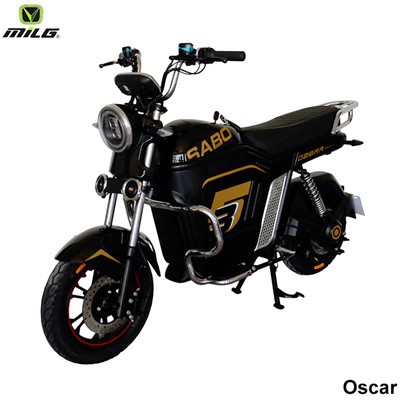
Hey there, fellow e-bike enthusiasts! As a supplier of fat tire ebikes, I get asked a lot about how to properly check the brakes on these bad boys. Brakes are one of the most crucial components of any bike, and that's especially true for fat tire ebikes, which can be heavier and go faster than regular bikes. So, today I'm gonna share with you my tips on how to check the brakes on a fat tire ebike.
Why Checking Your Brakes is a Big Deal
First off, let's talk about why it's so important to check your brakes regularly. Your brakes are what keep you safe on the road. Whether you're cruising down a hill or need to stop suddenly to avoid an obstacle, you want to know that your brakes are gonna work when you need them. A faulty brake can lead to accidents, and that's the last thing anyone wants.
Tools You'll Need
Before we get started, let's go over the tools you'll need for this brake check. You don't need a whole bunch of fancy stuff. Just grab a few basic tools:
- A set of Allen wrenches
- A flathead screwdriver
- A ruler or caliper (optional but helpful)
Step 1: Visual Inspection
The first thing you want to do is give your brakes a good visual inspection. Start by looking at the brake pads. The brake pads are the part that actually presses against the wheel to slow you down. You should check to see if they're worn down. If the brake pads are too thin, they won't be able to grip the wheel properly, and your brakes won't work as well.
Most brake pads have a wear indicator. This is usually a small groove or notch on the pad. If the pad is worn down to the point where the wear indicator is gone, it's time to replace the pads. You can also use a ruler or caliper to measure the thickness of the pads. If they're less than 1/8 inch thick, it's probably time for new ones.
Next, look at the brake cables. The brake cables are what connect the brake lever on your handlebars to the brakes themselves. Check to see if the cables are frayed or kinked. A frayed or kinked cable can cause the brakes to stick or not work at all. If you see any damage to the cables, you'll need to replace them.
Also, take a look at the brake calipers. The brake calipers are the part that holds the brake pads and squeezes them against the wheel. Make sure the calipers are clean and free of any debris. If there's dirt or grime on the calipers, it can affect how well they work.
Step 2: Check the Brake Lever
Now, let's move on to the brake lever. Squeeze the brake lever on your handlebars. You should feel a firm resistance. If the lever goes all the way to the handlebars without much resistance, that's a sign that there's a problem. It could be that the brake cables are too loose, or there could be air in the brake lines if you have hydraulic brakes.
If the lever feels spongy, it could also be a sign of air in the brake lines. To fix this, you may need to bleed the brakes. Bleeding the brakes is a bit more advanced, so if you're not comfortable doing it yourself, you may want to take your bike to a professional.
Step 3: Check the Brake Caliper Alignment
The brake caliper needs to be properly aligned with the wheel for the brakes to work correctly. To check the alignment, spin the wheel slowly. As the wheel spins, watch the brake pads. They should be centered over the wheel rim and not rubbing against the tire or any other part of the bike.
If the brake pads are rubbing against the tire or not centered properly, you'll need to adjust the caliper. Most calipers have an adjustment screw that you can turn with an Allen wrench. Loosen the screw, move the caliper into the correct position, and then tighten the screw back up.
Step 4: Test the Brakes
Once you've done all the visual inspections and adjustments, it's time to test the brakes. Take your bike for a short ride in a safe area, like an empty parking lot. Start by riding slowly and gently squeezing the brake levers. You should feel the bike slow down smoothly.
Then, try a few harder stops. Make sure the brakes engage quickly and stop the bike without any strange noises or vibrations. If you notice any problems, like the bike pulling to one side when you brake or a grinding noise, there may still be an issue that needs to be fixed.
Step 5: Regular Maintenance
Checking your brakes isn't a one-time thing. You should make it a part of your regular bike maintenance routine. I recommend checking your brakes at least once a month, or more often if you ride your bike frequently.
Regular maintenance can help prevent brake problems before they happen. It's also a good idea to clean your brakes regularly to keep them in good working condition. You can use a clean cloth and some mild soap and water to clean the brake pads and calipers.
Our Fat Tire Ebikes
At our place, we offer a wide range of fat tire ebikes to suit different needs. If you're a short female looking for a fat tire electric bike, check out our Fat Tire Electric Bike for Short Female. It's designed with a lower standover height and a comfortable riding position.
We also have a Foldable Ebike Fat Tire with Back Seat. This is a great option if you need a bike that's easy to store and can also carry a passenger.
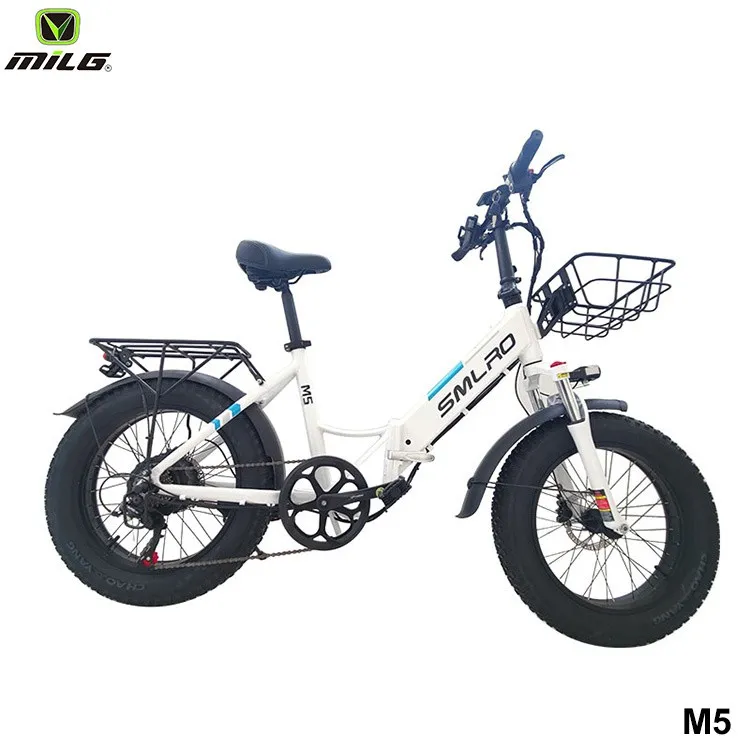

And for those who want a powerful folding bike, our Electric 500w Folding Fat Tire Ebike is a top choice. It has a 500w motor and can handle all kinds of terrain.
Contact Us for Purchasing
If you're interested in purchasing one of our fat tire ebikes or have any questions about our products, don't hesitate to reach out. We're here to help you find the perfect bike for your needs. Whether you're a casual rider or a hardcore cyclist, we've got a bike for you.
References
- "Bicycle Maintenance Handbook" by Park Tool Company
- "The Ultimate Guide to Electric Bikes" by Electric Bike Report