


The number of batteries in an electric two-wheel bicycle can affect its voltage, battery capacity, riding range, power delivery, and charging time. However, more batteries do not always mean better performance. The actual difference depends on how the batteries are connected, their capacity, and the specifications of the motor and controller.
For buyers comparing electric two-wheel bicycles, understanding battery configurations is important when choosing a model for daily commuting, delivery services, or other transportation needs.
1. Battery Count and Riding Range
The riding range of an electric two-wheel bicycle mainly depends on its total battery capacity, usually measured in watt-hours (Wh). Battery quantity alone cannot determine how far a vehicle can travel.
For example, a common lead-acid battery configuration uses four 12V batteries connected in series to form a 48V battery system. A higher-capacity battery pack can store more energy and potentially provide a longer riding range.
Some 48V electric two-wheel bicycles can achieve a riding range of approximately 30–50 km, while models with smaller battery capacities may only travel around 10–20 km under certain conditions.
Actual range varies depending on battery capacity, motor power, rider weight, road conditions, riding speed, and other factors.
2. Battery Count and Motor Power
Battery configuration also affects the electrical performance of an electric two-wheel bicycle.
When batteries are connected in series, their voltages add together. For example, five 12V batteries connected in series form a 60V battery system, compared with four 12V batteries in a 48V system.
A 60V electric two-wheel bicycle may offer different acceleration and power characteristics compared with a 48V model, depending on the motor and controller specifications.
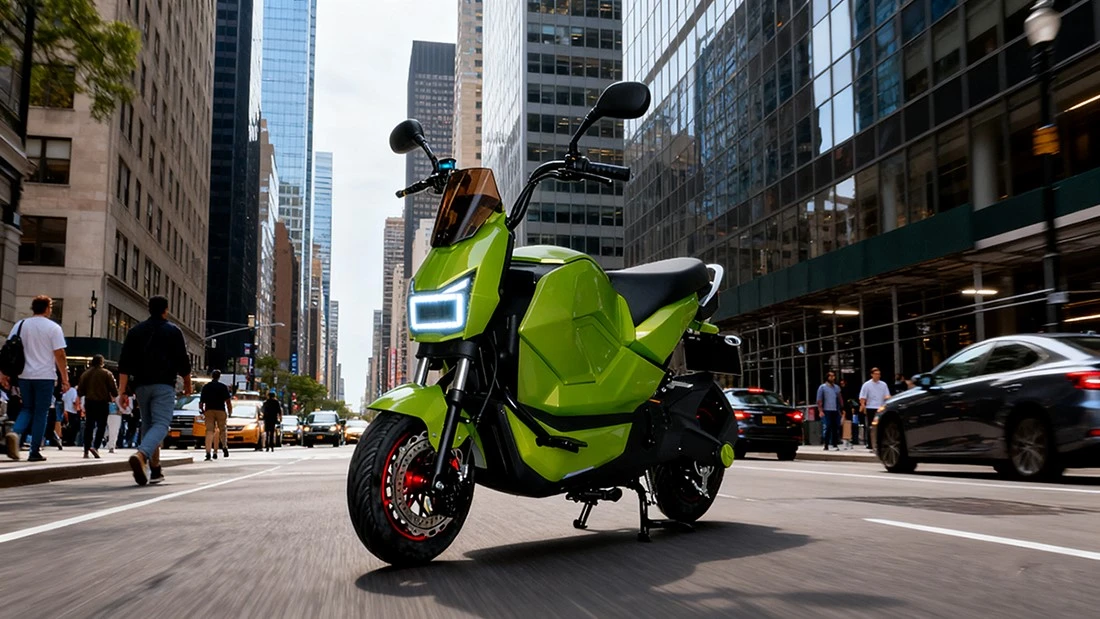
Voltage is only one part of the power system. Motor power, controller settings, battery discharge capability, and vehicle design also influence acceleration, climbing ability, and overall riding performance.
Therefore, buyers should compare the complete electrical configuration rather than choosing a vehicle based only on battery quantity.
3. Battery Count and Charging Time
Charging time is another important difference between electric two-wheel bicycles with different battery configurations.
In general, a battery pack with a larger total energy capacity requires more time to charge when using a charger with the same output power.
For reference, some 48V electric two-wheel bicycle battery systems may take approximately 5–8 hours to charge, while larger-capacity battery packs or certain higher-voltage configurations may require 8–10 hours or longer.
However, charging time is not determined by battery quantity alone. Charger output, battery capacity, remaining charge level, battery chemistry, and charging management systems all affect the actual charging duration.
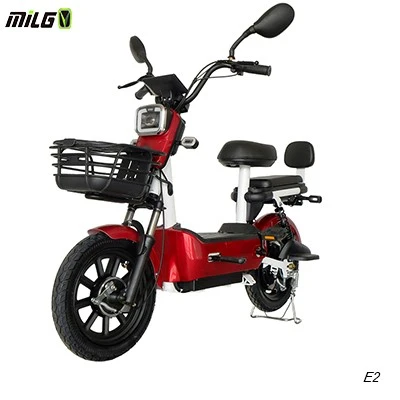
Buyers should always use a compatible charger recommended for the battery system
 .
4. How to Choose the Right Battery Configuration
When selecting an electric two-wheel bicycle, buyers should consider their intended application rather than simply choosing the model with the most batteries.
For daily commuting: Compare battery capacity and estimated riding range to ensure the vehicle meets everyday travel requirements.
For longer-distance use: Consider a higher-capacity battery pack that can store more energy.
For climbing and carrying loads: Check motor power, controller specifications, battery discharge capability, and the vehicle's load capacity.
For commercial use: Consider charging time, battery replacement costs, maintenance requirements, and the availability of spare batteries.
A suitable battery configuration should balance riding range, power requirements, charging convenience, and overall operating costs.
Frequently Asked Questions
Does having more batteries mean an electric bicycle has a longer range?
Not necessarily. Riding range mainly depends on the total battery energy capacity in watt-hours. Battery quantity and connection methods also need to be considered.
Is a 60V electric two-wheel bicycle more powerful than a 48V model?
A 60V system operates at a higher voltage, which can support different power delivery characteristics. However, actual performance also depends on motor power, controller specifications, and battery discharge capability.
Does a higher-voltage battery system take longer to charge?
Not always. Charging time depends on total battery capacity, charger output, battery condition, and charging efficiency rather than voltage alone.
How many batteries does a 48V electric two-wheel bicycle need?
A common configuration uses four 12V batteries connected in series. However, battery configurations vary depending on battery type and vehicle design.
Conclusion
Different battery configurations can influence the performance of electric two-wheel bicycles, including voltage, riding range, acceleration, and charging time. However, battery quantity should never be the only factor when comparing models.
Understanding battery voltage, total capacity, motor power, and charger specifications helps buyers select an electric two-wheel bicycle that matches their transportation or business requirements.


