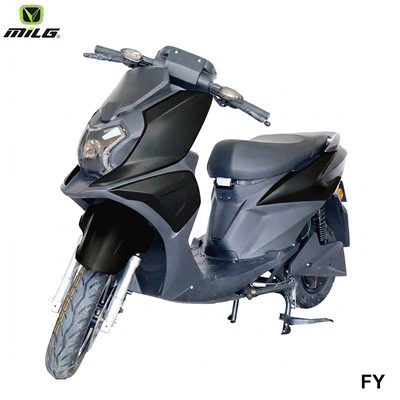
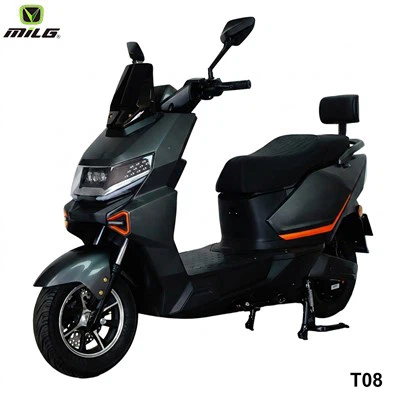
Electric bikes, e-scooters, and electric mopeds are becoming increasingly popular, especially for urban commuting and eco-friendly transportation. These electric rides offer a convenient and efficient way to get around, saving time and reducing carbon footprints. However, many people are often confused about what makes an e-bike "street legal" and how to choose one that meets legal requirements. In this post, I'll guide you through understanding which e-bikes are street legal and help you select the right electric vehicle that complies with local laws.
What Does "Street Legal E-Bike" Mean?
First, let's define what it means for an e-bike to be "street legal." A street-legal e-bike refers to an electric bicycle that complies with local traffic laws and is permitted to be ridden on public roads. These laws typically address factors like the maximum speed, motor power, and riding modes (pedal-assist or throttle-controlled).
The legality of e-bikes varies by country and region, so it's essential to ensure that the e-bike you choose meets the legal requirements of your area.
The Three Main Types of E-Bikes and Their Legalities
E-bikes are usually categorized into three classes, and each class has different rules and regulations. Here's a breakdown of each class:
1. Class 1 E-Bikes
- Description: Class 1 e-bikes provide electric assist only when pedaling, with a maximum speed of 20 mph (32 km/h).
- Legality: In most places, Class 1 e-bikes are street legal without the need for registration, a license, or a helmet (though some regions may require helmets).
- Best For: Daily commuting, casual rides, and short trips. These bikes are ideal for urban areas with bike lanes.
2. Class 2 E-Bikes
- Description: Class 2 e-bikes are throttle-controlled, meaning the motor can provide power even without pedaling, up to 20 mph (32 km/h).
- Legality: Some regions impose additional regulations, like speed limits or registration requirements for throttle-controlled e-bikes. In some areas, helmets may be mandatory.
- Best For: Riders who prefer a more hands-off, easier experience, especially those who don't want to pedal too much.
3. Class 3 E-Bikes
- Description: Class 3 e-bikes provide electric assist only when pedaling, but can reach speeds of up to 28 mph (45 km/h).
- Legality: These bikes are legal in many areas but may require registration or a helmet in certain places due to their higher speeds.
- Best For: Riders who need faster speeds for longer-distance commuting or those who want to use their bike for more than just casual rides.
Key Requirements for Street-Legal E-Bikes
To ensure your e-bike is street legal, pay attention to the following aspects:
1. Maximum Speed Limits
Many regions limit the maximum speed for street-legal e-bikes. Typically, the speed limit for legal e-bikes is 28 mph (45 km/h). If your bike exceeds this limit, it may be considered a motorized vehicle, requiring additional licensing or registration.
2. Motor Power
Street-legal e-bikes generally have a power limit of 750W (about 1 horsepower). If the motor exceeds this, the bike may be classified as an electric moped or motorcycle, which involves more stringent regulations, such as registration and insurance.
3. Where You Can Ride
Local laws may limit where you can ride your e-bike. In most cities, e-bikes are allowed on bike lanes and certain roads, but some areas may prohibit them on busy streets or sidewalks.
4. Age and Helmet Requirements
Many regions require riders to be at least 16 years old to legally ride an e-bike. Additionally, some areas mandate wearing a helmet, especially for higher-class e-bikes (Class 3) or for younger riders.
How to Confirm Your E-Bike Is Legal
Before purchasing an e-bike, I recommend doing the following:
1. Check Local Laws
Look up the local regulations regarding e-bikes, focusing on speed limits, motor power, and helmet requirements. You can find this information on local government websites or traffic authority pages.
2. Choose Certified Brands
Select e-bike brands and models that explicitly meet the legal requirements in your area. Brands like Milg take great care to ensure their e-bikes meet the necessary regulations for various regions.
3. Verify Specifications Before Buying
When purchasing an e-bike, confirm that the motor power, maximum speed, and assist mode match the legal limits for your area. For example, Milg's 2000W Pedal-Assist Moped is a great option for those looking for a powerful yet street-legal ride.
Recommended Street-Legal Electric Mopeds
If you're looking for a street-legal electric moped instead of a traditional e-bike, here are a few options that are perfect for city commuting:

This electric moped is ideal for urban commuting, offering a combination of power, stylish design, and compliance with local laws.
2000w Legal Pedal Electric Moped For Sale
With its 2000W motor, this e-moped provides both power and efficiency, while remaining street-legal. It's a great choice for city riders who want a balance between pedal-assist and throttle control.


Designed for city commuters, this moped is energy-efficient, environmentally friendly, and ideal for navigating through city traffic.
Conclusion
Choosing a street-legal e-bike, electric scooter, or moped is not only about convenience but also about ensuring you follow local laws. Whether it's an e-bike for short trips, an e-moped for commuting, or an electric tricycle for comfort, understanding the legal requirements in your area is crucial. I hope this guide helps you make a more informed decision when selecting your next electric ride. If you have any more questions or need specific recommendations, feel free to leave a comment!