


Types of Electric Vehicles and Motorcycles: Key Differences Explained
Electric bikes and motorcycles come in several categories, each designed for different riding needs and subject to different regulations. In China, electric two-wheelers are commonly classified as electric bicycles, electric mopeds, and electric motorcycles. Gas motorcycles form another category, using an internal combustion engine instead of an electric motor.
1. Electric Bicycle
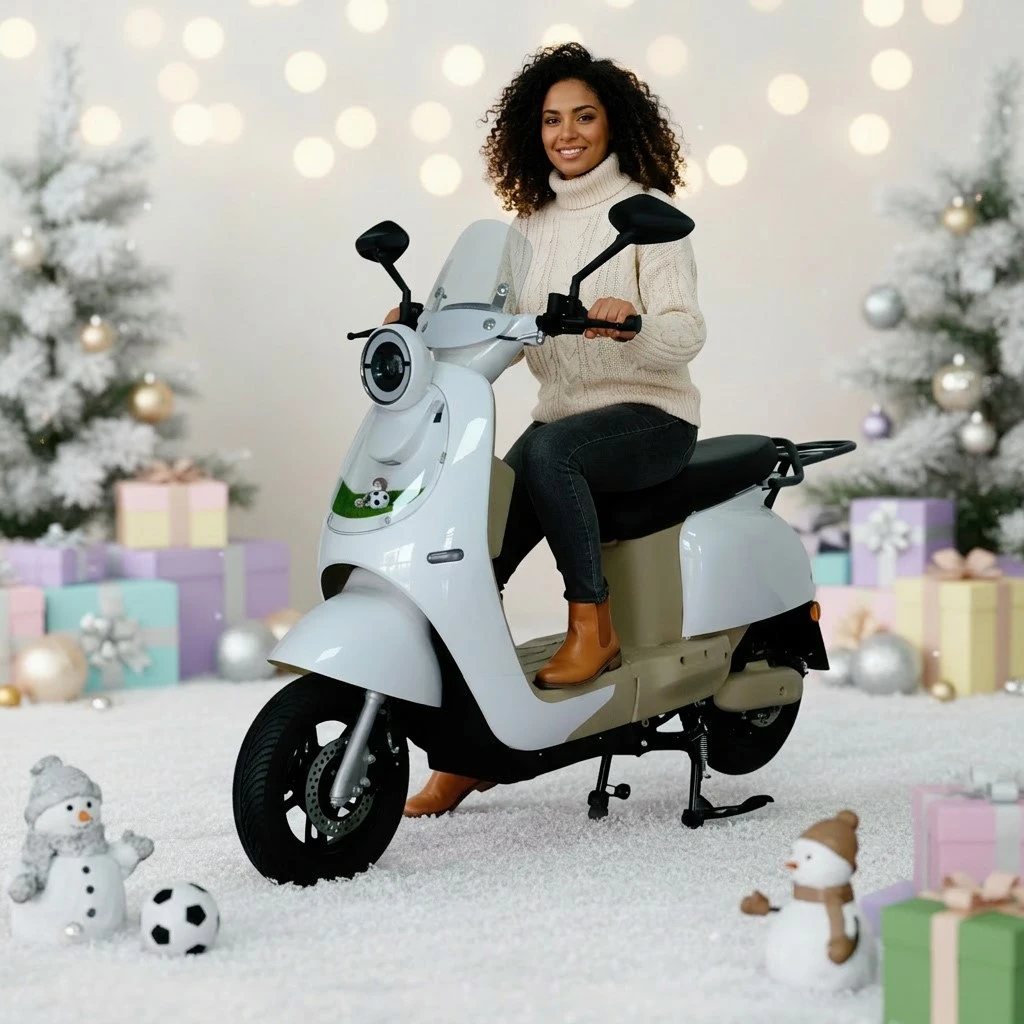
An electric bicycle is designed to combine electric assistance with pedal riding. Under China's applicable national standard, a compliant electric bicycle must have pedal capability, a maximum design speed of 25 km/h, a maximum complete vehicle mass of 55 kg, and a motor rated power of no more than 400 W.
Key features include:
Electric assistance combined with pedal riding
A relatively low maximum design speed
Suitability for everyday commuting and short-distance travel
Classification as a non-motor vehicle under the applicable Chinese rules when the vehicle meets the relevant requirements
Electric bicycles are commonly used for commuting, shopping, and other short urban journeys. However, a vehicle's appearance alone does not determine its legal classification. Its specifications and compliance status must also be considered
 .
2. Electric Moped
An electric moped is generally a motor vehicle powered by an electric motor. Unlike a regulated electric bicycle, it does not need to meet the same pedal-assistance requirements.
Under the classification framework described for China, an electric moped has a maximum design speed of no more than 50 km/h and a rated motor power of no more than 4 kW, subject to the applicable vehicle classification rules.
Key features include:
Electric motor propulsion
A design intended for motor-vehicle use
Performance specifications that differ from those of compliant electric bicycles
Potential requirements for vehicle registration, a driving licence, and other road-use documentation
Electric mopeds can be suitable for urban transportation and daily commuting. Buyers should confirm the vehicle's official category rather than relying only on its advertised speed or motor power.
3. Electric Motorcycle
An electric motorcycle uses an electric motor and battery to provide propulsion. Compared with electric bicycles and lower-speed electric mopeds, electric motorcycles may offer higher performance, depending on the model and its approved classification.
Under the classification framework described for China, electric motorcycles generally include models with a maximum design speed above 50 km/h or specifications that place them in a higher motor-vehicle category. The exact classification depends on the applicable technical standard and vehicle approval.
Key features include:
Battery-powered electric propulsion
No gasoline engine or conventional exhaust system
A wide range of power and performance options
Motor-vehicle licensing and registration requirements where applicable
Electric motorcycles may be used for commuting, personal transportation, and commercial mobility applications. For importers and distributors, checking the approved vehicle category and the regulations in the destination market is essential before selecting products.
4. Gas Motorcycle
A gas motorcycle, also called a gasoline-powered motorcycle, uses an internal combustion engine to generate power by burning fuel.
Common categories include two-wheel motorcycles, lightweight motorcycles, and three-wheel motorcycles, depending on the regulatory system in the relevant market.
Key features include:
A gasoline-powered engine
A fuel tank and exhaust system
Refueling instead of battery charging
Engine maintenance requirements, including routine servicing specified by the manufacturer
Gas motorcycles are available in commuter, sport, cruiser, touring, and other styles. Their performance, fuel consumption, and legal classification vary according to engine specifications and vehicle design.
5. Key Differences Between Electric Bicycles and Motorcycles
The main differences involve propulsion, vehicle classification, performance, and legal requirements.
Power source: Electric bicycles, electric mopeds, and electric motorcycles use electric power, while gas motorcycles use an internal combustion engine.
Pedal equipment: A compliant electric bicycle under China's relevant standard must have pedal capability. Electric mopeds and electric motorcycles are classified according to their applicable vehicle requirements, not simply whether they look like bicycles.
Speed and power: Electric bicycles have stricter design limits under the Chinese standard. Electric mopeds and electric motorcycles may offer higher performance, depending on their approved category.
Driving licence: A compliant electric bicycle generally does not require a motorcycle driving licence under the relevant Chinese rules. Electric mopeds, electric motorcycles, and gas motorcycles may require different licence categories.
Road access: The permitted road space and operating conditions depend on the vehicle's legal category and local traffic regulations.
Passenger rules: Passenger limits and minimum passenger ages vary by vehicle category and applicable local rules.
These distinctions are important because two vehicles with similar appearances may be treated differently under the law.
6. Driving Licence and Road Regulations in China
In China, vehicle classification affects driving licence requirements, registration, and where a vehicle may be used.
A compliant electric bicycle generally follows the applicable non-motor vehicle rules. Electric mopeds and electric motorcycles are motor vehicles and may require the appropriate motorcycle licence category. Gas motorcycles are also subject to the licence requirements applicable to their vehicle type.
Road access and passenger rules are not identical across all categories. Requirements can depend on the vehicle's registration, technical classification, the rider's age, and local regulations.
For example, the rules governing passenger age and the use of designated non-motor vehicle lanes should be checked against the applicable national and local requirements before riding.
For overseas buyers, Chinese vehicle classifications should not be assumed to apply in other countries. Always verify the destination market's vehicle approval, registration, licensing, helmet, and passenger requirements before importing or selling a model.
7. How to Choose the Right Vehicle Category
The right vehicle depends on the intended use and the regulations that apply.
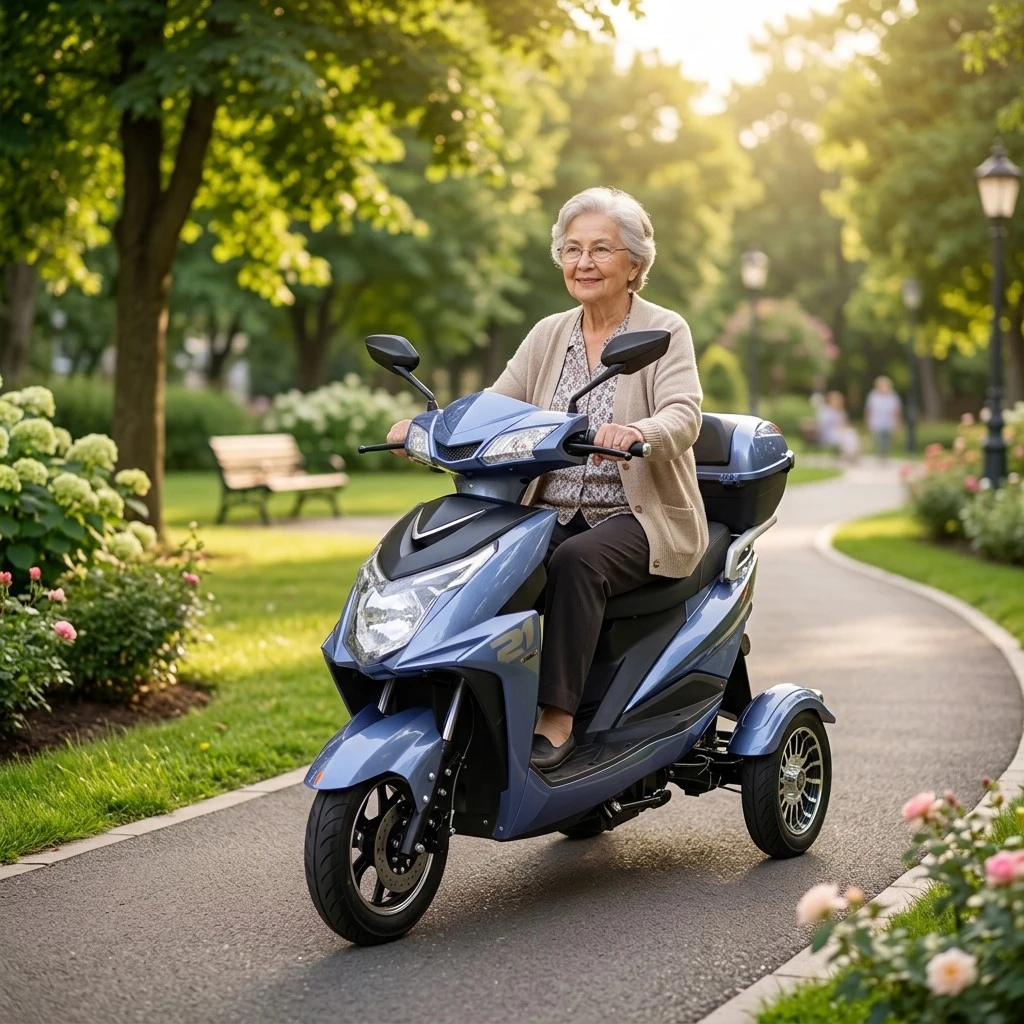
An electric bicycle may be suitable for short-distance commuting where pedal capability and lower-speed operation are priorities.
An electric moped may be worth considering for riders who need motorized transportation for everyday urban travel.
An electric motorcycle may suit users who require a motorcycle-style vehicle with different performance options and electric propulsion.
A gas motorcycle may be appropriate for riders who prefer gasoline-powered performance and conventional refueling.
For motorcycle importers, wholesalers, and distributors, the selection process should also consider the target market, customer demand, approved technical specifications, registration requirements, and the availability of after-sales support.
Frequently Asked Questions
What are the main types of electric two-wheelers?
In China, the main categories commonly discussed are electric bicycles, electric mopeds, and electric motorcycles. Their legal definitions depend on applicable technical standards and vehicle approval.
What is the difference between an electric bicycle and an electric motorcycle?
A compliant electric bicycle under China's relevant standard must have pedal capability and meet specified design limits. An electric motorcycle is classified as a motor vehicle and follows different technical and road-use requirements.
Do electric motorcycles require a driving licence?
In China, electric motorcycles generally require the appropriate driving licence for their registered vehicle category. Requirements differ for electric bicycles and other electric vehicle types. Riders should check the applicable rules before use.
Are electric mopeds and electric motorcycles the same?
No. They can differ in approved vehicle category, performance specifications, registration requirements, and licensing rules. The official classification should be checked rather than relying on appearance alone.
Do vehicle classifications work the same way in every country?
No. Vehicle definitions, speed and power limits, licensing requirements, and road-use rules vary by jurisdiction. Importers and distributors should verify the applicable regulations in each destination market.
Final Thoughts
Electric bicycles, electric mopeds, electric motorcycles, and gas motorcycles differ in their power systems, technical specifications, and legal classifications.
Understanding these categories makes it easier to compare vehicles and identify suitable models for commuting, personal transportation, and commercial distribution. Before purchasing or importing a vehicle, check its official classification and confirm that it meets the requirements of the market where it will be used.


