

What Is the Difference Between Two-Wheel and Four-Wheel Electric Vehicles?
Two-wheel electric vehicles and four-wheel electric vehicles differ in vehicle classification, road regulations, safety considerations, and everyday applications.
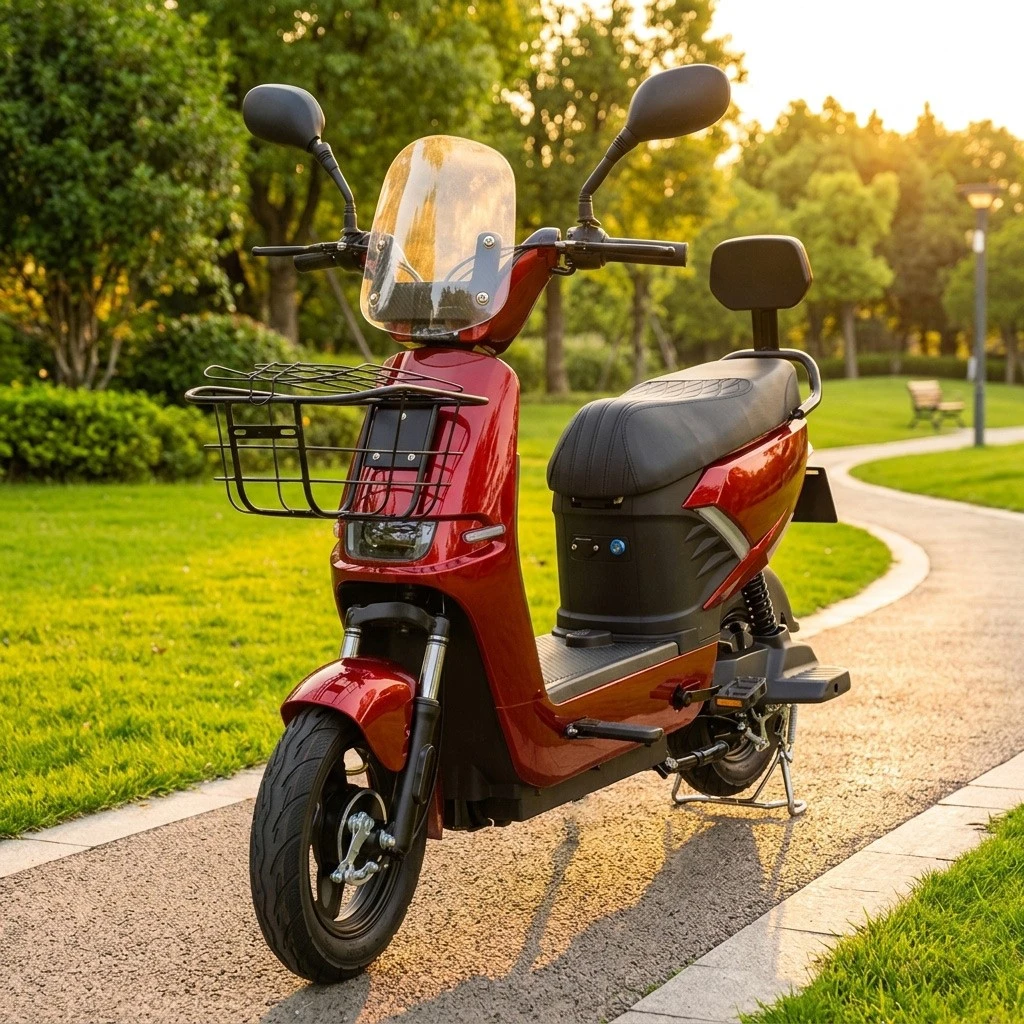
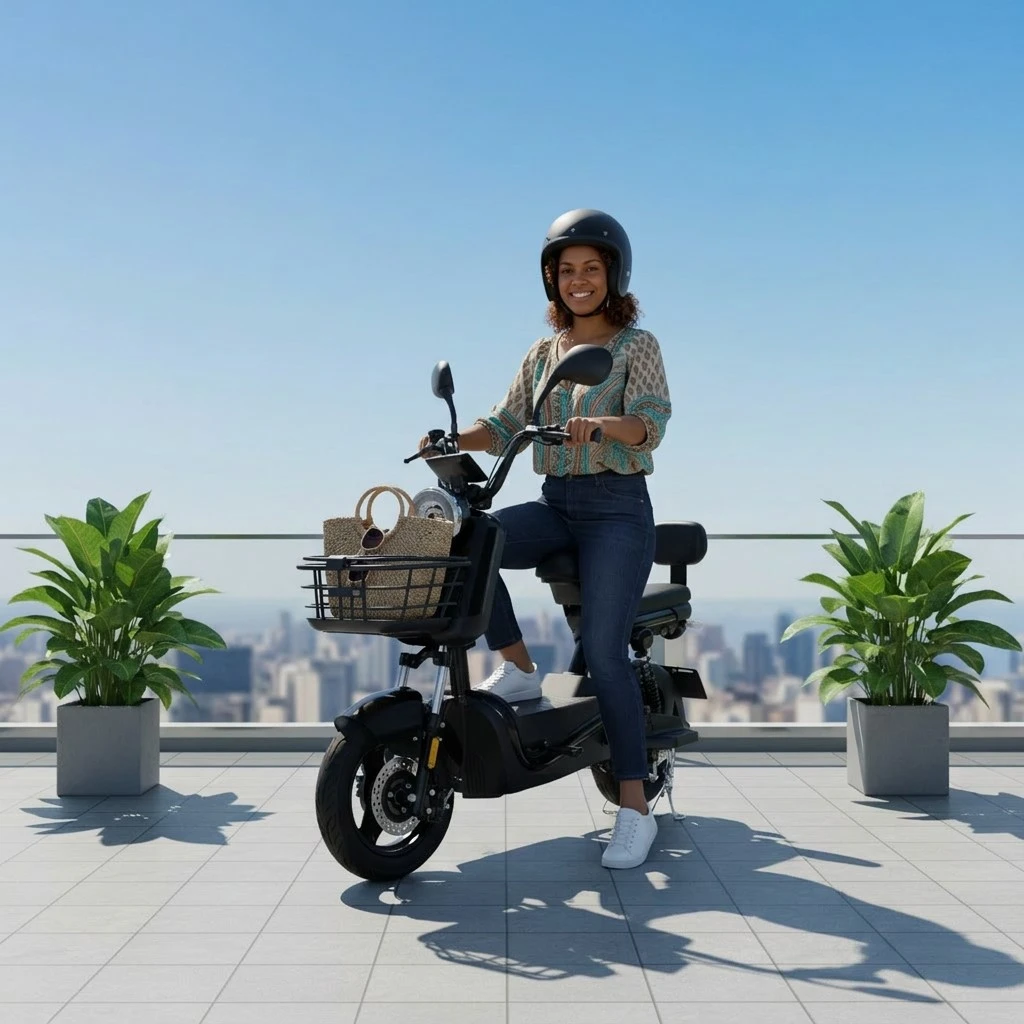
Two-wheel electric vehicles are generally more compact and suitable for short-distance commuting, while four-wheel electric vehicles offer an enclosed cabin and can provide more space for passengers and luggage.
However, the differences go beyond the number of wheels. Vehicle classification, driving license requirements, battery safety, and local transportation regulations also influence how these vehicles can be used
 .
1. Vehicle Classification and Road Requirements
One of the main differences between two-wheel and four-wheel electric vehicles is how they are classified and regulated.
Two-wheel electric vehicles can generally be divided into electric bicycles, electric mopeds, and electric motorcycles. Their legal classification depends on factors such as maximum speed, motor power, vehicle design, and local regulations.
In China, for example, compliant electric bicycles are classified as non-motor vehicles and are generally subject to a maximum design speed of 25 km/h and registration requirements. Electric mopeds and electric motorcycles are classified as motor vehicles and require the corresponding driving license and vehicle registration.
Four-wheel electric vehicles cover several different vehicle categories, including low-speed electric vehicles and standard electric passenger cars.
Some low-speed four-wheel vehicles, including certain models marketed for elderly transportation, may not qualify for public-road registration in China if they do not meet the applicable vehicle approval requirements.
By comparison, compliant electric passenger cars are registered and regulated as motor vehicles, with the appropriate driving license and vehicle documentation required
 .
For international buyers, it is important to understand that vehicle classification varies by country. A vehicle that is legally permitted on public roads in one market may have different registration or operating requirements in another.
2. Traffic Regulations and Management Policies
Two-wheel and four-wheel electric vehicles are subject to different traffic management requirements.
In China, electric bicycles must follow the applicable rules for non-motor vehicles, while electric mopeds and electric motorcycles are subject to motor vehicle regulations. Depending on their classification, requirements may include registration, driving licenses, insurance, helmet use, and speed restrictions.
Four-wheel electric vehicles also face different requirements depending on their legal category.
Low-speed electric vehicles that do not meet the applicable approval and registration requirements may be restricted from public-road use. Standard electric passenger cars, on the other hand, must meet the relevant vehicle standards and registration requirements.
For overseas markets, regulations can differ considerably. Buyers and distributors should check local requirements for vehicle certification, maximum speed, motor power, registration, insurance, and driving licenses before importing or selling electric vehicles.
3. Battery Safety and Vehicle Safety
Battery safety is an important consideration for both two-wheel and four-wheel electric vehicles.
Both types may use lithium-ion batteries, and battery-related risks can arise from poor-quality cells, improper charging, damaged battery packs, electrical faults, or unsuitable chargers.
For two-wheel electric vehicles, battery maintenance and charging practices are particularly important. Using unqualified chargers, damaged batteries, or improperly refurbished battery packs can increase safety risks.
Four-wheel electric vehicles also require appropriate battery management, electrical protection, and thermal safety measures. Their battery systems and vehicle structures may be more complex, depending on the vehicle category and configuration.
The number of wheels alone does not determine vehicle safety. Buyers should evaluate battery quality, electrical protection, braking performance, vehicle structure, and relevant safety certifications.
4. Vehicle Functions and Application Scenarios
Two-wheel and four-wheel electric vehicles serve different transportation needs.
Two-wheel electric vehicles are commonly used for daily commuting, short-distance travel, and local transportation. Their compact structure makes them convenient for navigating urban streets and parking in limited spaces.
Four-wheel electric vehicles offer an enclosed cabin and additional passenger space. Depending on the vehicle type, they can be used for family transportation, local commuting, passenger mobility, and other short-distance travel needs.
Standard electric passenger cars are designed for broader transportation applications, while low-speed four-wheel electric vehicles may be intended for specific local mobility requirements.
For commercial buyers, the choice depends on the target market, intended application, passenger requirements, operating environment, and applicable transportation regulations.
5. How to Choose Between Two-Wheel and Four-Wheel Electric Vehicles
The right choice depends on transportation needs and local market conditions.
A two-wheel electric vehicle may be more suitable for buyers looking for a compact, flexible, and economical transportation solution for short-distance commuting.
A four-wheel electric vehicle may be more appropriate for users who need an enclosed cabin, additional passenger space, and protection from changing weather conditions.
For distributors, wholesalers, and fleet operators, several factors should be considered before purchasing:
Vehicle classification and local road regulations
Motor power and battery capacity
Driving range and maximum speed
Passenger capacity and vehicle dimensions
Battery safety and braking configuration
Registration, certification, and insurance requirements
Target customer demand and operating costs
Understanding these differences can help buyers select the right electric vehicle category for their market.
Frequently Asked Questions
1. Which is better, a two-wheel or four-wheel electric vehicle?
Neither is universally better. Two-wheel electric vehicles are generally more suitable for compact urban transportation and short-distance commuting. Four-wheel electric vehicles offer an enclosed cabin and more passenger space.
2. Are four-wheel electric vehicles safer than two-wheel electric vehicles?
Four-wheel electric vehicles provide an enclosed vehicle structure, which may offer additional physical protection. However, overall safety depends on vehicle design, braking systems, battery protection, structural strength, and safety equipment.
3. Do two-wheel and four-wheel electric vehicles require the same driving license?
No. Driving license requirements depend on vehicle classification and local transportation regulations. Electric bicycles, electric motorcycles, low-speed four-wheel vehicles, and standard electric passenger cars may have different licensing requirements.
4. Do two-wheel and four-wheel electric vehicles use lithium batteries?
Both types can use lithium-ion batteries. The actual battery type depends on the vehicle model and configuration. Battery quality, charging equipment, and battery management systems are important safety considerations.
5. Which electric vehicle is more suitable for daily commuting?
Two-wheel electric vehicles are generally convenient for short urban trips, while four-wheel electric vehicles may be more suitable for users who need an enclosed cabin and additional passenger space. The best choice depends on travel distance, weather conditions, budget, and local road regulations.


