


An electric bike battery typically lasts around 2 to 3 years under normal use, although its actual lifespan depends on battery chemistry, charging habits, riding frequency, operating temperature, and maintenance.
For electric bike and electric scooter owners, understanding battery lifespan is important for controlling maintenance costs and keeping the vehicle reliable. Lead-acid batteries and lithium-ion batteries have different characteristics, charging requirements, and service lives.
In this guide, we explain how long different electric bike batteries last, what causes battery aging, and how to maintain them for longer service life.
1. How Long Do Different Electric Bike Batteries Last?
The battery type is one of the main factors affecting the service life of an electric bike or electric scooter. Lead-acid and lithium-ion batteries are two common options in electric two-wheelers
 .
Lead-Acid Battery Lifespan
A standard lead-acid battery generally lasts around 2 to 3 years under normal operating conditions. Its relatively low purchase cost makes it a common choice for electric bikes and scooters designed for everyday transportation.
However, repeated deep discharges, improper charging, high temperatures, and insufficient maintenance can shorten its service life.
Some lead-acid batteries are designed as maintenance-free products, while others require additional maintenance according to their specifications. Their actual lifespan depends on battery quality and operating conditions.
Lithium-Ion Battery Lifespan
A lithium-ion battery typically lasts around 2 to 3 years in the usage scenario described here, although some batteries can last longer depending on their quality, battery management system, charging habits, and operating environment.
Battery cycle life is another important measurement. Some lithium-ion batteries are rated for approximately 300 to 500 charge cycles, but the actual figure varies by battery chemistry and manufacturer.
Compared with lead-acid batteries, lithium-ion batteries generally offer higher energy density and lower weight. They are suitable for electric bikes and scooters where weight, battery capacity, and riding range are important considerations.
2. What Factors Affect Electric Bike Battery Life?
Even when two electric bikes use batteries with the same rated capacity, their actual battery performance may differ. Several factors influence how quickly a battery loses capacity.
Charging Habits
Frequent deep discharges and improper charging can accelerate battery aging.
For lithium-ion batteries, it is generally better to avoid repeatedly draining the battery to 0%. Charging before the battery becomes critically low can help reduce unnecessary stress.
For lead-acid batteries, avoid leaving the battery in a discharged condition for extended periods. Follow the charging instructions provided by the battery manufacturer.
Operating Temperature
Temperature has a direct effect on battery performance.
Low temperatures can temporarily reduce the available capacity of lead-acid batteries, resulting in shorter riding distances. High temperatures can accelerate lithium-ion battery degradation and increase safety risks.
Whenever possible, charge and store electric bike batteries in a dry, well-ventilated environment within the temperature range recommended by the manufacturer.
Depth of Discharge
Depth of discharge refers to how much of the battery's available capacity is used during each discharge cycle.
Repeatedly using almost all the available battery power can increase battery wear. Avoid unnecessary deep discharges and recharge according to the battery manufacturer's recommendations.
Battery Quality and Maintenance
Battery quality, manufacturing standards, cell consistency, and battery management systems can all affect long-term performance.
Regularly checking the battery, charger, connectors, and charging condition can help identify potential problems before they become more serious.
3. How to Extend Electric Bike Battery Life
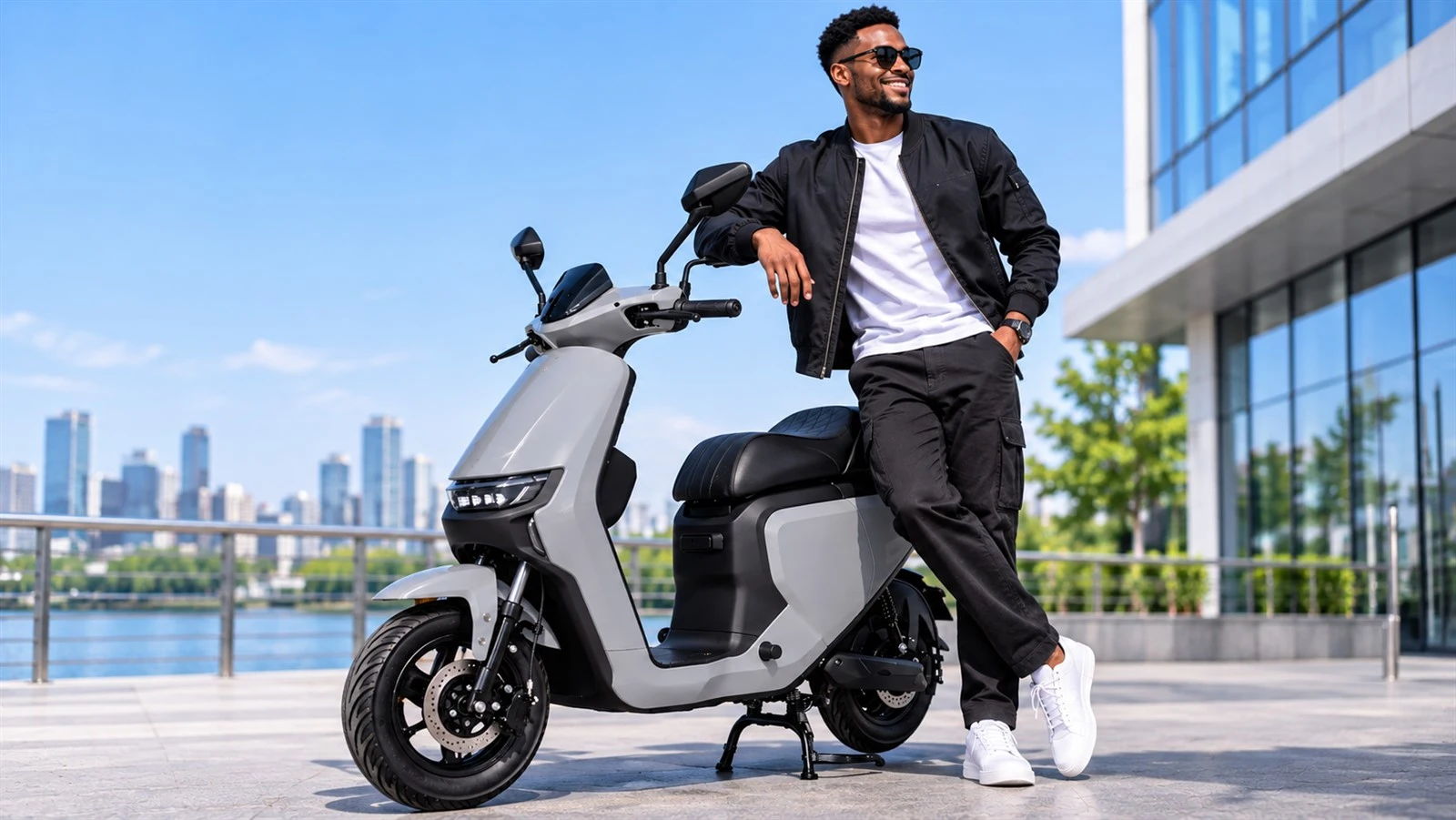
Proper charging and maintenance can help maintain battery performance and reduce premature replacement costs
 .
Use a Compatible Charger
Always use a charger that matches the battery's voltage, charging requirements, and specifications.
An incompatible charger may cause improper charging and damage the battery. Avoid using damaged chargers or charging cables.
Avoid Overcharging and Deep Discharging
Follow the charging instructions provided by the battery manufacturer.
For lithium-ion batteries, avoid leaving the battery at 100% charge for extended periods when it is not in use. Also, avoid storing it completely discharged.
For lead-acid batteries, recharge after use as recommended and avoid leaving the battery discharged for long periods.
Keep the Battery Away from Extreme Temperatures
High temperatures can accelerate battery aging, while very low temperatures can affect available capacity.
Avoid leaving an electric bike or its removable battery in direct sunlight for extended periods. Store the battery in a cool, dry location that meets the manufacturer's requirements.
Check the Battery Regularly
Inspect the battery housing, charging port, connectors, and cables for visible damage.
For serviceable lead-acid batteries, check the electrolyte level according to the manufacturer's maintenance instructions. Do not open sealed or maintenance-free batteries.
If a lithium-ion battery becomes swollen, leaks, produces an unusual smell, or shows signs of overheating, stop using and charging it immediately. Arrange a professional inspection or replacement.
Store the Battery Properly
If an electric bike will not be used for an extended period, follow the battery manufacturer's storage recommendations.
For lithium-ion batteries, partial charge storage is generally preferable to leaving the battery completely full or empty for a long time.
For lead-acid batteries, maintain an appropriate charge level and recharge periodically according to the manufacturer's instructions.
4. When Should You Replace an Electric Bike Battery?
Battery capacity gradually decreases with use. However, a battery does not necessarily need replacement simply because it has reached a certain age.
The following signs may indicate that a battery needs professional inspection or replacement.
Reduced Riding Range
If a fully charged electric bike travels significantly fewer miles than before under similar riding conditions, battery capacity may have declined.
For example, if the riding range drops to less than half of its original performance, it is worth checking the battery condition.
Unusual Charging Behavior
A noticeable change in charging time, repeated charging interruptions, or abnormal battery heating may indicate a battery or charger problem.
Check both the battery and charger before deciding which component needs replacement.
Visible Battery Damage
A swollen lithium-ion battery, leaking battery, damaged housing, or severely corroded connections should never be ignored.
Stop using a damaged battery and arrange a professional inspection.
Poor Performance Under Load
If the electric bike loses power quickly during acceleration or climbing, the battery may no longer deliver sufficient power.
However, motor problems, wiring faults, and controller issues can produce similar symptoms, so a complete electrical system inspection may be necessary.
5. Lead-Acid vs. Lithium-Ion Batteries: Which Is Better?
Choosing between lead-acid and lithium-ion batteries depends on the vehicle's intended use, budget, weight requirements, and expected riding range.
| Comparison | Lead-Acid Battery | Lithium-Ion Battery |
|---|---|---|
| Typical lifespan | Around 2–3 years | Around 2–3 years in the usage scenario discussed |
| Weight | Generally heavier | Generally lighter |
| Energy density | Lower | Higher |
| Purchase cost | Generally lower | Generally higher |
| Maintenance | Depends on battery design | Generally requires less routine maintenance |
| Suitable applications | Cost-conscious daily transportation | Applications prioritizing weight and energy density |
For buyers who prioritize a lower initial purchase cost, lead-acid batteries can be a practical option.
For buyers who need a lighter vehicle and higher energy density, lithium-ion batteries may be more suitable.
The final choice should also consider battery capacity, charger compatibility, vehicle design, local regulations, and replacement availability.
6. Frequently Asked Questions About Electric Bike Battery Life
How many years does an electric bike battery last?
An electric bike battery generally lasts around 2 to 3 years under normal use. However, actual lifespan depends on battery type, quality, charging habits, riding frequency, and operating conditions.
Which battery lasts longer, lead-acid or lithium-ion?
Lithium-ion batteries generally offer higher energy density and lower weight. However, actual service life depends on battery chemistry, manufacturing quality, and usage conditions. It is not accurate to assume that every lithium-ion battery will last longer than every lead-acid battery.
How often should I charge my electric bike battery?
Charging frequency depends on battery capacity and daily electricity consumption. Recharge according to the manufacturer's instructions rather than following a fixed weekly schedule.
Can I leave my electric bike battery charging overnight?
It is best to follow the battery and charger manufacturer's instructions. Avoid leaving batteries charging unattended for extended periods, especially when using damaged or incompatible charging equipment.
How can I tell if my electric bike battery needs replacing?
Common signs include significantly reduced riding range, abnormal charging behavior, poor power delivery, swelling, leakage, and visible damage. A professional battery inspection can help confirm whether replacement is necessary.
Does cold weather affect electric bike battery life?
Cold temperatures can reduce available battery capacity and riding range. Prolonged exposure to unsuitable temperatures may also affect battery condition. Store and charge batteries within the temperature range recommended by the manufacturer.
Conclusion
The lifespan of an electric bike battery depends on its type, quality, charging habits, and operating environment. Standard lead-acid batteries generally last around 2 to 3 years, while lithium-ion battery lifespan varies according to cell chemistry, cycle life, and maintenance.
Choosing the right battery and following proper charging and storage practices can help maintain performance and reduce replacement costs.
For electric bike manufacturers, importers, distributors, and wholesalers, battery selection is also an important part of vehicle configuration. Matching battery capacity and battery type to the target market and intended application helps create more suitable electric mobility products.
MiLG is a Chinese electric mobility manufacturer offering electric bikes, electric scooters, electric mopeds, electric motorcycles, and electric tricycles. We support OEM and ODM customization for overseas brand owners, importers, wholesalers, and distributors.
Contact MiLG to discuss electric vehicle models, battery configurations, and OEM/ODM cooperation.


