


How Fast Can an Electric Two-Wheeler Go?
The top speed of an electric two-wheeler depends on its vehicle category, motor power, battery system, controller, and overall design. Some electric two-wheelers are designed for low-speed urban travel, while high-performance electric motorcycles can reach much higher speeds.
For buyers, distributors, and electric vehicle enthusiasts, understanding the difference between electric bicycles, electric mopeds, and electric motorcycles is essential when comparing speed, performance, and local road regulations.
1. Top Speed of a Standard Electric Two-Wheeler
The maximum speed of an electric two-wheeler varies significantly by model and configuration. Many electric mopeds and motorcycles are designed for everyday commuting, short-distance travel, and urban mobility.
Depending on their specifications, some models can reach speeds of 50–80 km/h. However, this range should not be treated as a universal standard, as many electric bicycles and entry-level models operate at much lower speeds.
For daily use, top speed is only one factor to consider. Battery capacity, riding range, braking performance, rider weight, road conditions, and charging requirements can also affect the overall riding experience.
2. How Fast Can a High-Performance Electric Motorcycle Go?
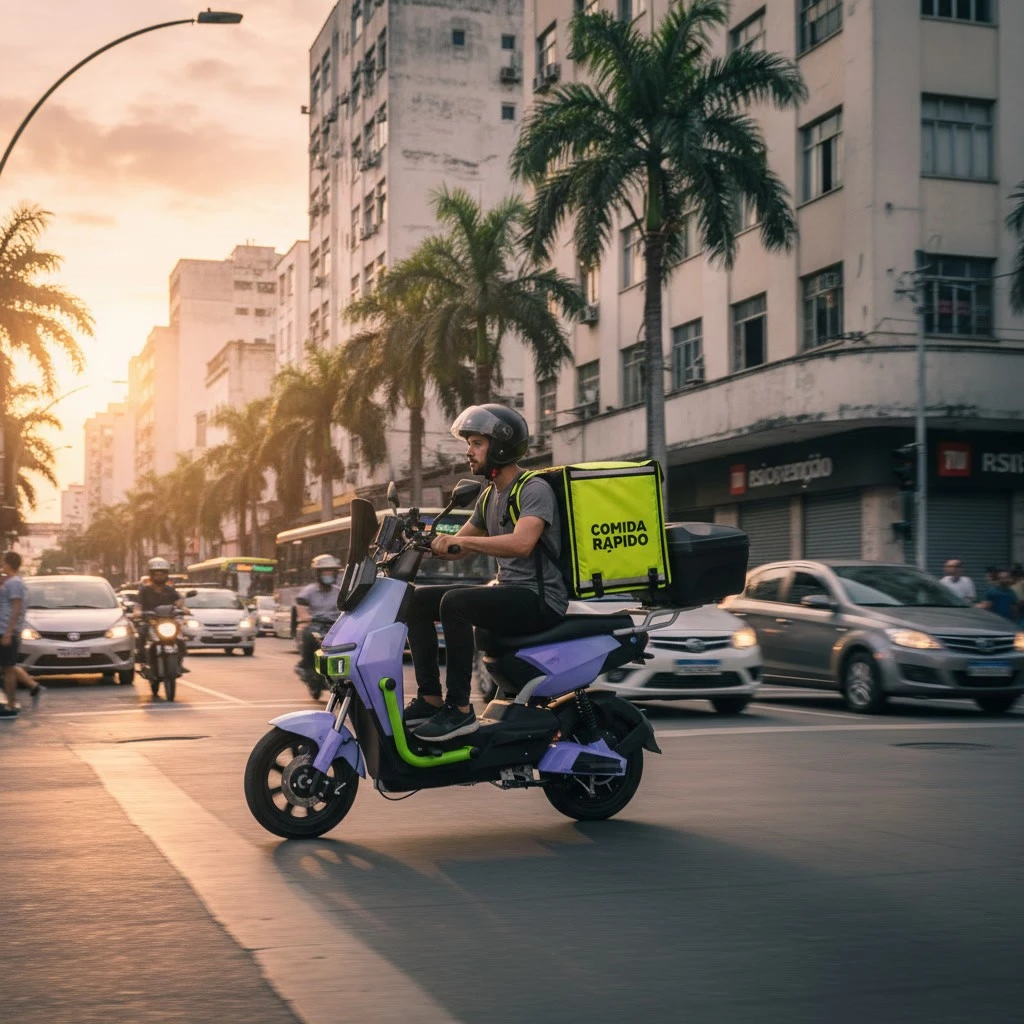
High-performance electric motorcycles can reach considerably higher speeds than standard electric two-wheelers. Certain specialized models may exceed 150 km/h, depending on their motor output, battery performance, aerodynamics, and electronic control systems.
These vehicles are designed for riders who need stronger acceleration and higher-speed performance. However, a claimed top speed does not necessarily reflect the speed a vehicle can maintain under normal riding conditions.
When comparing high-speed electric motorcycles, buyers should check the manufacturer's specifications and independent test results where available. Motor power alone does not determine top speed, and the actual performance depends on the complete vehicle configuration
.
3. Electric Two-Wheeler Speed Limits in China
In China, electric two-wheelers are divided into different categories, and their technical requirements differ.
Electric bicycles that meet China's national standard GB 17761-2018 have a maximum design speed of 25 km/h. Electric mopeds and electric motorcycles fall under different motor vehicle categories, with different technical requirements and licensing rules.
As a general classification:
Electric bicycles: Maximum design speed of 25 km/h for compliant models.
Electric mopeds: Maximum design speed is generally above 25 km/h and no more than 50 km/h.
Electric motorcycles: Maximum design speed is generally above 50 km/h.
These classifications are based on Chinese vehicle standards. Actual registration, licensing, road access, and operating requirements depend on the applicable regulations.
4. What Affects the Top Speed of an Electric Two-Wheeler?
Several factors determine how fast an electric two-wheeler can travel.
Motor power: A higher-power motor can provide greater driving force, but the final top speed also depends on the vehicle's design and electronic controls.
Battery system: Battery voltage, discharge capability, and power delivery affect acceleration and high-speed performance.
Controller settings: The controller regulates power supplied to the motor. Electronic speed limits may restrict the vehicle's maximum speed.
Vehicle design: Aerodynamics, tire size, vehicle weight, and transmission configuration can influence achievable speed.
Riding conditions: Rider weight, road surface, wind resistance, temperature, and battery charge level can affect actual performance.
For an accurate comparison, buyers should review the complete technical specifications rather than relying on motor wattage or advertised top speed alone.
5. How to Choose the Right Electric Two-Wheeler
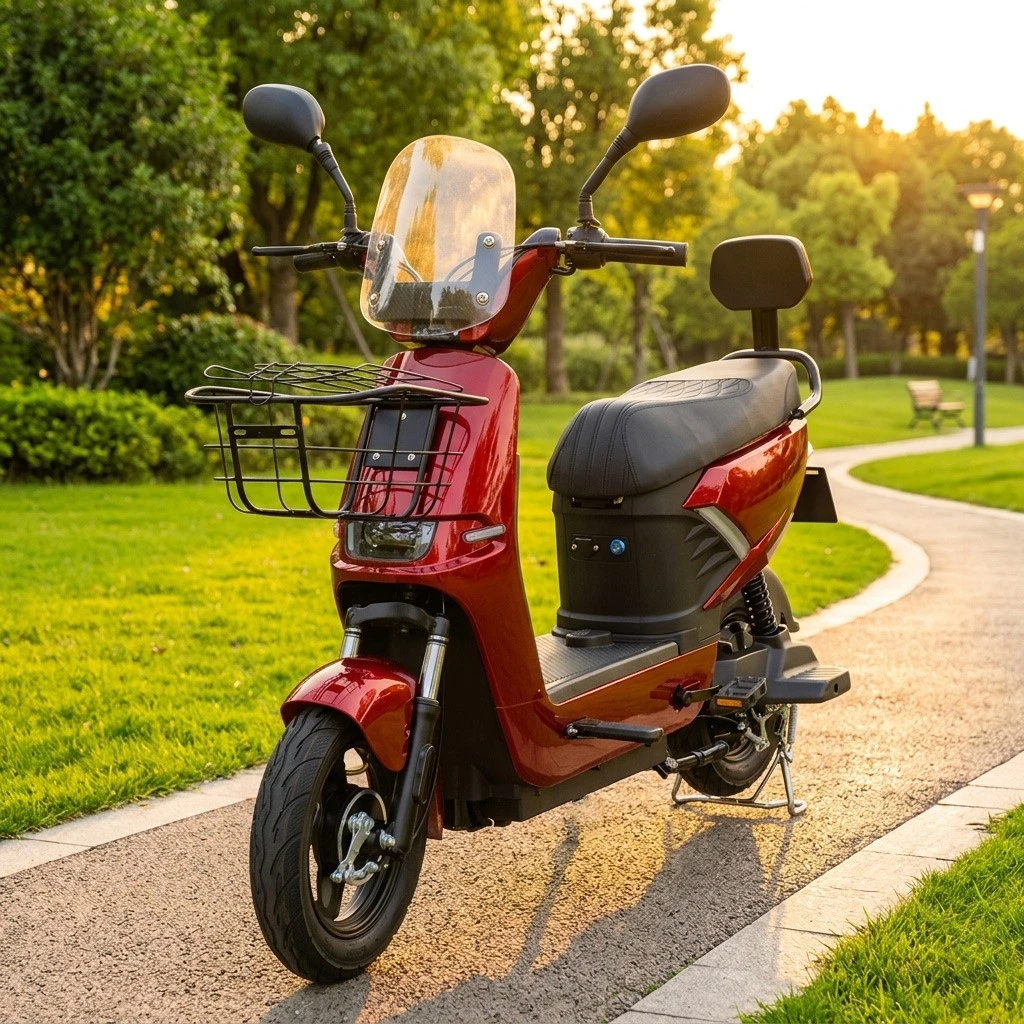
The best electric two-wheeler depends on how and where it will be used.
For urban commuting, a lower-speed model may be sufficient and easier to operate in areas with strict speed restrictions. For longer trips or higher-speed travel, an electric moped or motorcycle may be more suitable, provided it meets local road regulations.
International buyers should also check vehicle classification, homologation requirements, registration rules, and permitted road speeds in their target markets. Requirements can differ significantly between countries, even for vehicles with similar technical specifications.
For importers and distributors, confirming the intended market before selecting a model helps reduce compliance risks and ensures that the vehicle configuration matches local customer needs.
Frequently Asked Questions
What is the top speed of a two-wheeled electric vehicle?
The top speed varies by category and model. Some electric two-wheelers are limited to 25 km/h, while certain electric mopeds and motorcycles can reach 50–80 km/h or more. Specialized high-performance models may exceed 150 km/h.
Can an electric two-wheeler reach 150 km/h?
Yes, certain high-performance electric motorcycles can exceed 150 km/h. However, this speed is not representative of ordinary electric bicycles or standard commuter models. Buyers should verify the specifications of the exact model.
Why do some electric two-wheelers have different top speeds?
Differences in motor output, battery performance, controller settings, vehicle design, and electronic speed limits can all affect top speed.
Is a faster electric two-wheeler legal for road use?
Not necessarily. A vehicle's ability to reach a particular speed does not automatically make it legal for public roads. Registration, licensing, vehicle certification, and speed restrictions vary by country and vehicle category.
Conclusion
The fastest speed of an electric two-wheeler depends on its category, technical configuration, and intended use. While some commuter models operate at relatively low speeds, high-performance electric motorcycles can exceed 150 km/h.
Before choosing an electric two-wheeler, compare its verified top speed, motor and battery specifications, braking system, and legal classification. For international buyers, checking local compliance requirements is just as important as evaluating performance.


