


How Fast Can a Two-Wheeled Electric Vehicle Go?
The top speed of a two-wheeled electric vehicle varies depending on its type, motor power, battery system, and overall design. Some models are built for everyday commuting, while high-performance electric motorcycles are designed to deliver much higher speeds.
As a general reference, some electric two-wheelers can reach approximately 50–80 km/h (31–50 mph), while certain high-performance electric motorcycles can exceed 150 km/h (93 mph). These figures are examples rather than universal standards, as actual performance depends on the specific model and its configuration.
1. How Fast Can a Standard Electric Two-Wheeler Go?
Some electric two-wheelers can reach speeds of around 50–80 km/h, making them suitable for certain commuting and short-distance transportation needs.
These vehicles are designed to balance speed, riding range, battery capacity, and everyday usability. Their performance varies by model, and not all electric bikes or electric scooters can reach this speed range.
When comparing electric two-wheelers, buyers should check the manufacturer's stated maximum speed, motor specifications, and intended use. Local regulations are also important because the permitted speed of an electric bicycle, moped, or electric motorcycle can differ significantly between countries.
2. How Fast Can a High-Performance Electric Motorcycle Go?
High-performance electric motorcycles can achieve considerably higher speeds than conventional electric two-wheelers. Some models can exceed 85 km/h, while certain specialized performance motorcycles are capable of speeds above 150 km/h.
These higher speeds require a suitable combination of motor output, battery power delivery, controller settings, and vehicle design. Braking systems, tires, suspension, and overall stability are also important when a vehicle is designed for high-speed riding.
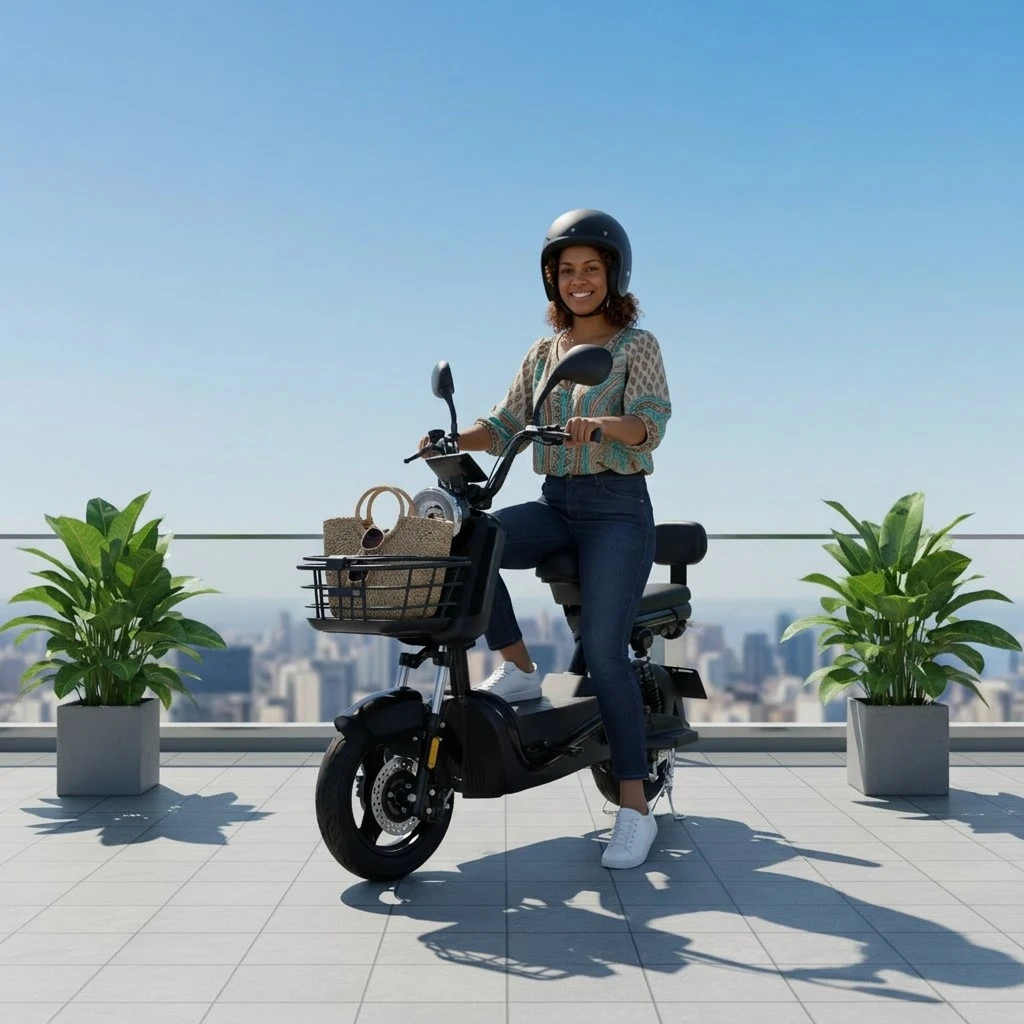
A powerful motor alone does not guarantee a higher top speed. Electronic speed limits, drivetrain configuration, wheel size, vehicle weight, and aerodynamic resistance can all affect the final result
 .
3. What Affects the Top Speed of an Electric Two-Wheeler?
Several factors determine the maximum speed of an electric two-wheeler.
Motor power: Motor output affects acceleration and the ability to maintain speed, but it does not determine top speed on its own.
Battery performance: Battery voltage, current delivery, condition, and battery management can influence the power available to the motor.
Controller settings: The controller regulates power delivery and may limit the vehicle's maximum speed.
Vehicle design: Weight, tire size, drivetrain configuration, and aerodynamic resistance can affect achievable speed.
Riding conditions: Road gradients, wind, temperature, and rider weight may influence real-world performance.
For this reason, buyers should compare complete vehicle specifications instead of relying on motor power or advertised top speed alone.
4. Does a Higher Top Speed Mean a Better Electric Two-Wheeler?
Not necessarily. The right vehicle depends on the intended application.
For everyday commuting, a moderate-speed electric two-wheeler may offer sufficient performance and practical usability. For riders who need higher speeds, an electric motorcycle designed for those requirements may be more appropriate.
High-speed riding also places greater demands on tires, brakes, suspension, and rider protection. Buyers should consider these factors alongside maximum speed.
Legal requirements must also be checked before purchasing or using a vehicle. Depending on the country, maximum speed and motor power may affect vehicle classification, licensing, registration, insurance, and where the vehicle can legally be ridden.
Frequently Asked Questions
Can a two-wheeled electric vehicle reach 80 km/h?
Yes. Some electric two-wheelers can reach approximately 80 km/h, depending on their specifications. Many electric bicycles and lower-speed scooters, however, are designed for lower speeds.
Can an electric motorcycle exceed 150 km/h?
Yes. Certain high-performance electric motorcycles can exceed 150 km/h. Actual performance depends on the model, powertrain, controller settings, and riding conditions.
Does a higher motor power always mean a higher top speed?
No. Motor power is only one factor. Battery output, electronic speed limits, drivetrain design, vehicle weight, and aerodynamics also influence maximum speed.
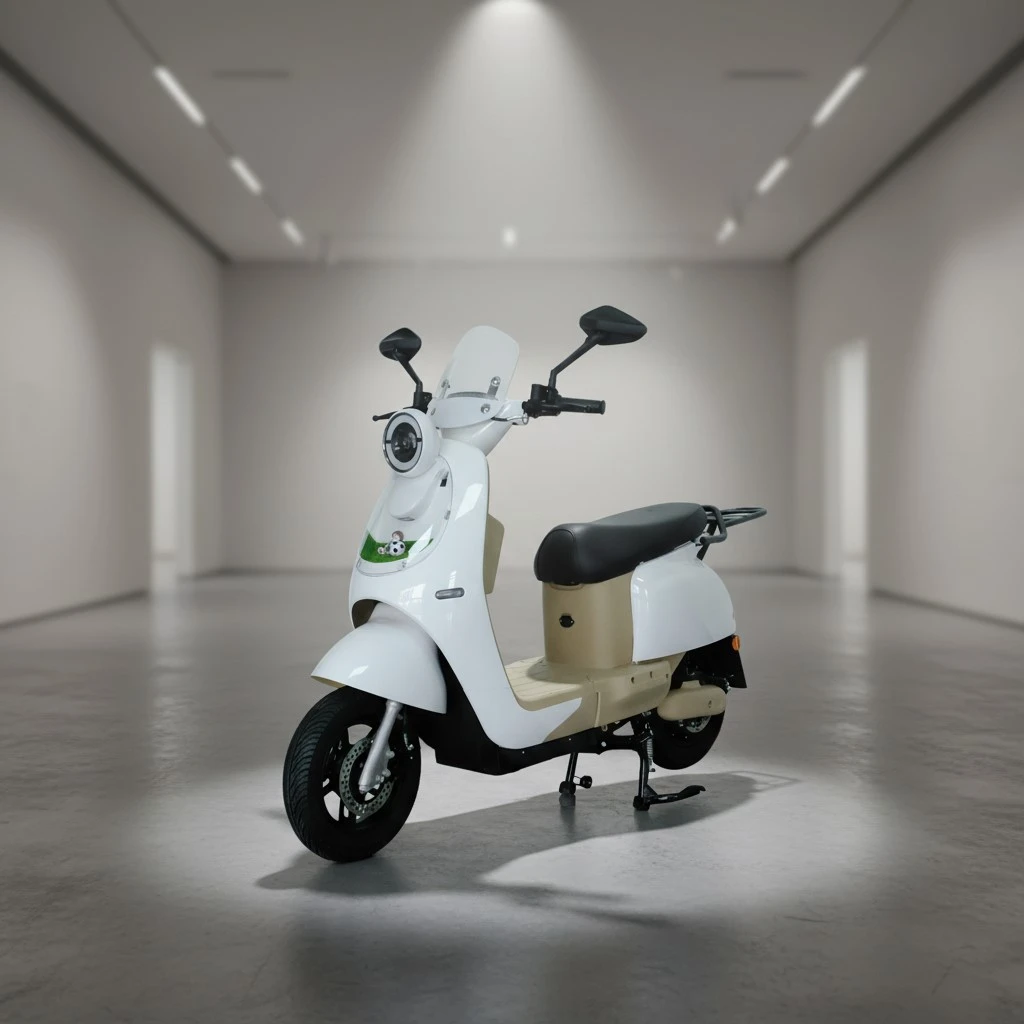
What should buyers check before choosing a high-speed electric motorcycle?
Buyers should compare maximum speed, motor specifications, battery performance, braking systems, tires, suspension, and the vehicle's compliance with local regulations.
Conclusion
The top speed of a two-wheeled electric vehicle depends on its design and intended use. Some models can reach approximately 50–80 km/h, while certain high-performance electric motorcycles can exceed 150 km/h.
When comparing electric two-wheelers, consider the complete vehicle specifications, safety equipment, and legal requirements in the target market. Choosing the right model means finding a suitable balance between speed, performance, and everyday usability.


