


Electric Two-Wheelers with Realistic Range: How to Choose a Battery That Delivers
When choosing an electric two-wheeler, advertised range is often one of the first specifications buyers compare. However, the actual distance an electric bicycle, electric scooter, or electric motorcycle can travel depends on more than its battery capacity.
Electric two-wheelers with realistic range performance generally combine a suitable battery, an efficient motor, a well-designed frame, an intelligent control system, and low-resistance tires. These components work together to determine how efficiently the vehicle uses its stored energy.
For consumers, understanding these factors helps avoid disappointment after purchasing. For importers, wholesalers, and electric vehicle distributors, they are also important when evaluating product quality and selecting a reliable manufacturer.
1. Battery Capacity and Cell Quality
The battery is one of the most important factors affecting the range of an electric two-wheeler. It stores the electrical energy used by the motor and other electrical components.
Choose a Battery with Suitable Capacity
Battery capacity is commonly expressed in ampere-hours (Ah), while energy capacity is measured in watt-hours (Wh).
For example, a 48V 20Ah battery has a nominal energy capacity of 960Wh. A larger energy capacity generally allows the vehicle to store more electricity and potentially travel farther.
However, battery capacity should not be evaluated in isolation. Buyers should also consider battery chemistry, usable energy, discharge performance, and the vehicle's overall energy consumption.
Pay Attention to Battery Cell Quality
High-quality battery cells can provide more consistent performance and better long-term reliability.
Important factors include:
Cell consistency and manufacturing quality.
Internal resistance and energy efficiency.
Self-discharge characteristics.
Battery management system (BMS) protection.
Charging and discharging performance.
Lithium battery quality is not determined simply by whether the cells are imported or locally manufactured. Cell specifications, production standards, and quality control are more meaningful indicators.
For buyers sourcing electric two-wheelers in bulk, checking battery documentation and testing sample vehicles is an important step.
2. Motor Efficiency and Power Matching
The motor converts electrical energy from the battery into mechanical energy that drives the vehicle.
A high-efficiency motor can reduce unnecessary energy losses and help improve the distance traveled on a single charge.
Motor Efficiency Matters More Than Power Alone
A motor with higher rated power does not automatically provide better range.
For example, a vehicle equipped with a high-power motor may consume more electricity when frequently operated at high speeds or under heavy loads.
The relationship between motor power, vehicle weight, controller settings, and riding conditions should be considered together.
An appropriately matched motor can provide sufficient driving performance without consuming more energy than necessary.
Motor Design and Heat Management
Motor efficiency can also be affected by heat generation.
Excessive operating temperatures may reduce efficiency and affect component durability. A suitable motor design and effective heat management can help maintain stable performance during regular operation.
When comparing electric two-wheelers, buyers should check rated motor power, motor type, operating conditions, and manufacturer test information rather than relying on maximum power claims alone.
3. Vehicle Weight and Frame Design
Vehicle weight has a direct influence on energy consumption, particularly during acceleration, climbing, and frequent stop-and-go riding.
A heavier electric two-wheeler generally requires more energy to accelerate and maintain movement under the same operating conditions
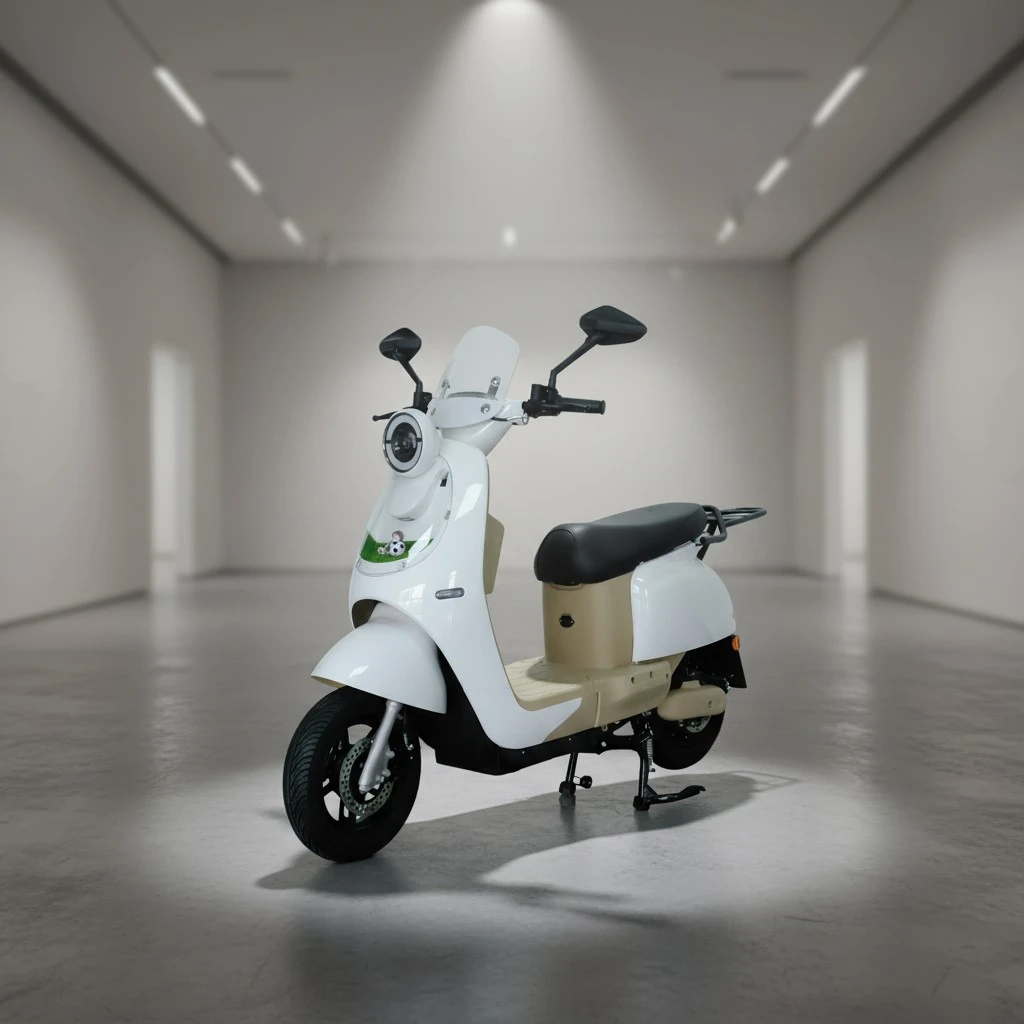 .
Lightweight Materials
Some manufacturers use aluminum alloy and other lightweight materials to reduce vehicle weight.
Compared with heavier construction materials, suitable lightweight components can help reduce the load on the motor and improve energy efficiency.
However, reducing weight should never come at the expense of frame strength or rider safety.
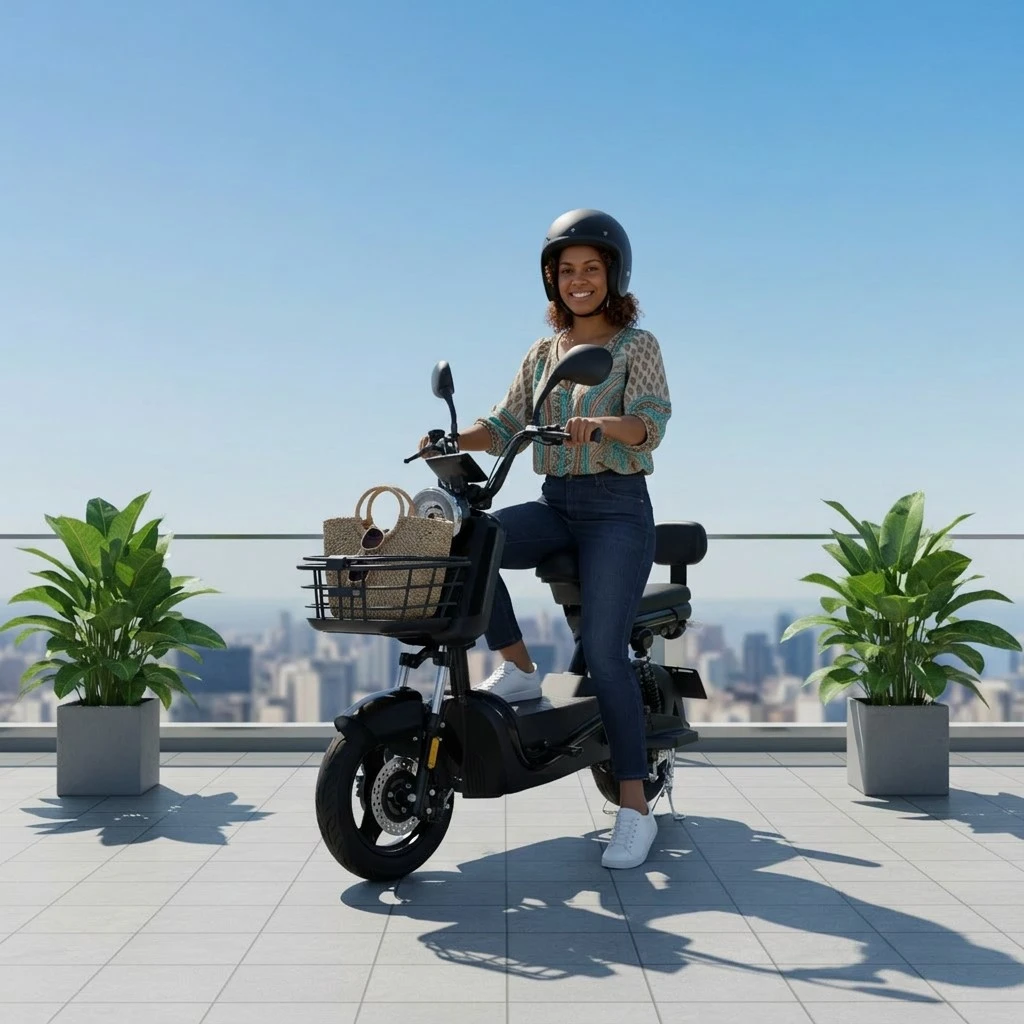
Structural Design
A well-designed frame should balance weight, strength, stability, and load capacity.
For electric cargo motorcycles and electric delivery vehicles, carrying capacity is particularly important. A lightweight vehicle that cannot safely support its intended load is not a practical solution.
For this reason, buyers should evaluate the complete vehicle structure rather than judging efficiency by weight alone.
4. Intelligent Controllers and Energy Management
The controller regulates electrical power delivered from the battery to the motor.
Its settings influence acceleration, power output, and overall energy consumption.
Intelligent Power Management
A well-matched control system can adjust motor output according to riding conditions and reduce unnecessary energy consumption.
For example, smoother acceleration and appropriate power delivery may help improve energy efficiency during everyday commuting.
Some electric two-wheelers also offer different riding modes. Eco modes typically limit power output to reduce energy consumption, while higher-performance modes prioritize acceleration and speed.
Regenerative Braking
Some electric two-wheelers use regenerative braking to recover part of the vehicle's kinetic energy during deceleration.
The recovered energy is returned to the battery rather than being entirely lost as heat.
However, regenerative braking does not create additional energy. Its contribution to total riding range depends on the system design, battery charging acceptance, road conditions, and riding habits.
It should therefore be considered an additional energy-saving feature rather than a guarantee of significantly longer range.
5. Tire Rolling Resistance and Tire Pressure
Tires are another factor affecting the actual range of an electric two-wheeler.
Rolling resistance is the force that opposes a tire's movement across the road. Higher rolling resistance generally requires more energy to maintain the same speed.
Choose Suitable Tire Materials and Tread Designs
Tire compounds, tread patterns, width, and construction can influence rolling resistance.
Low-rolling-resistance tires can help reduce energy consumption when properly matched to the vehicle.
However, tire selection should also consider wet-road grip, durability, puncture resistance, and load capacity.
A tire designed only for low resistance may not be suitable for every road condition.
Maintain Correct Tire Pressure
Incorrect tire pressure can increase rolling resistance and affect handling.
Underinflated tires generally require more energy to move and may generate additional heat.
Regularly checking tire pressure according to the manufacturer's recommended range is a simple way to maintain efficient operation.
6. How to Tell Whether an Electric Two-Wheeler's Advertised Range Is Realistic
A manufacturer's claimed range is usually measured under specific test conditions. Actual riding results may differ depending on how and where the vehicle is used.
Before purchasing an electric two-wheeler, consider the following factors:
| Factor | Possible effect on actual range |
|---|---|
| Battery capacity | Determines available stored energy |
| Rider and cargo weight | Higher loads generally increase energy consumption |
| Riding speed | Higher speeds usually require more energy |
| Road conditions | Frequent climbing and stopping increase consumption |
| Temperature | Low or high temperatures can affect battery performance |
| Tire pressure | Incorrect pressure can increase rolling resistance |
| Riding mode | Eco and power modes may have different energy consumption |
For a more reliable comparison, ask the manufacturer how the advertised range was measured.
Useful questions include:
Was the range measured with a fully charged battery?
What vehicle speed was used during testing?
What was the rider or test load?
Was the test conducted on flat roads or mixed terrain?
What temperature and riding mode were used?
Was the vehicle tested until the battery reached its low-voltage cutoff?
The most useful comparison is between vehicles tested under similar conditions.
For overseas importers and distributors, requesting a sample vehicle and conducting a controlled road test can provide more practical information than comparing advertised range figures alone.
7. What Electric Vehicle Buyers Should Check Before Bulk Purchasing
For wholesalers, distributors, and private-label brands, battery range is not just a marketing specification. It can influence customer satisfaction, product returns, and brand reputation.
Before placing a bulk order, consider checking:
Battery voltage, capacity, and cell specifications.
Motor rated power and controller compatibility.
Complete vehicle weight and recommended load.
Tire specifications and recommended pressure.
Charging time and battery protection features.
Actual range test conditions and results.
Warranty terms and replacement battery availability.
Working with an experienced electric vehicle manufacturer can make it easier to confirm product configurations and arrange sample testing before mass production.
MiLG, operated by Guangdong Futengda Technology Co., Ltd., is a China-based electric vehicle manufacturer offering OEM and ODM services for international brands, importers, and wholesalers.
Its product range includes electric bicycles, electric scooters, electric mopeds, electric motorcycles, and electric tricycles.
For buyers developing their own electric vehicle brands, confirming battery specifications, motor configurations, and target-market requirements during the OEM process can help create products with more suitable range performance.
Visit https://www.milgev.com/ to learn more about MiLG's electric vehicle manufacturing and customization services.
Frequently Asked Questions
1. Which battery capacity is suitable for a long-range electric two-wheeler?
The suitable capacity depends on vehicle weight, motor power, speed, and intended usage. Buyers should compare battery energy in Wh rather than looking only at Ah.
2. Does a larger battery always mean a longer riding range?
Generally, a larger usable battery capacity can support longer riding distances. However, actual range also depends on motor efficiency, vehicle weight, speed, road conditions, and temperature.
3. Why is the actual range of an electric scooter shorter than advertised?
Advertised range is usually measured under specific conditions. Higher speeds, heavier loads, frequent acceleration, steep roads, temperature changes, and tire pressure can all affect actual performance.
4. Does a more powerful motor consume more electricity?
Not necessarily under every operating condition. However, higher power output and frequent high-speed riding generally increase energy consumption. Motor efficiency and power matching are important considerations.
5. Can regenerative braking significantly increase electric vehicle range?
Regenerative braking can recover part of the energy normally lost during deceleration. Its actual contribution depends on the vehicle's system design and riding conditions.
6. Do low-rolling-resistance tires improve electric two-wheeler range?
They can help reduce energy consumption by lowering rolling resistance. However, tire grip, durability, pressure, and load rating must also be considered.
7. How can importers verify an electric motorcycle's actual range?
Importers can request battery and motor specifications, ask for documented range test conditions, and conduct sample testing under consistent speed, load, and road conditions before placing bulk orders.


