


For decades, gas motorcycles dominated commercial two-wheel transportation in delivery, commuting, rental, and fleet operations. They were widely available, relatively affordable, and supported by mature fueling infrastructure.
But the economics of urban transportation are changing.
Rising fuel prices, stricter environmental regulations, and advances in lithium battery technology have pushed many fleet operators and distributors to seriously evaluate electric motorcycles as a long-term alternative.
For B2B buyers, however, the conversation is no longer about trends or environmental marketing. The key issue is financial practicality.
When comparing electric motorcycles vs gas motorcycles, the most important metric is no longer purchase price alone. It is Total Cost of Ownership (TCO).
For commercial fleets, importers, distributors, and mobility operators, understanding TCO is critical because operating costs often exceed the initial vehicle cost over time.
This article breaks down the major ownership cost differences between electric and gas motorcycles from a commercial fleet perspective.
What Is Total Cost of Ownership (TCO)?
Total Cost of Ownership refers to the complete lifecycle cost of operating a vehicle.
For commercial motorcycles, TCO typically includes:
- Initial purchase cost
- Fuel or electricity expenses
- Maintenance and servicing
- Spare parts replacement
- Downtime costs
- Battery replacement planning
- Registration and compliance expenses
- Operational lifespan
For fleet operators managing dozens or hundreds of vehicles, small differences in daily operating cost can create major long-term financial impact.
This is why more professional buyers now analyze electric motorcycles based on lifecycle economics rather than only upfront pricing.
Purchase Price: Gas Motorcycles Still Often Cost Less Upfront
In many markets, gasoline motorcycles still maintain an advantage in initial purchase price, especially in lower-displacement categories.
This is mainly because:
- fuel motorcycle manufacturing systems are mature
- supply chains are highly optimized
- battery systems remain one of the most expensive components in electric vehicles
Lithium battery packs can account for a significant percentage of the total production cost of an electric motorcycle.
However, purchase price alone rarely reflects long-term operational value.
Commercial fleet buyers increasingly focus on whether lower operating expenses can offset higher initial investment over time.
In many urban commercial applications, the answer is becoming increasingly favorable for electric motorcycles.
Energy Costs: Electric Motorcycles Have a Clear Operational Advantage
One of the biggest differences between electric and gas motorcycles is daily energy cost.
Gas motorcycles depend entirely on fuel pricing, which can fluctuate significantly depending on:
- global oil markets
- local taxation
- regional fuel supply conditions
Electric motorcycles, by contrast, generally provide more stable energy expenses because electricity pricing tends to fluctuate less dramatically in many markets.
Electric drivetrains are also highly efficient during urban stop-and-go riding conditions.
This is especially important for:
- delivery fleets
- courier services
- shared mobility operators
- urban commuting fleets
In dense city environments where vehicles frequently accelerate and stop, fuel engines often lose efficiency, while electric motors maintain relatively consistent performance.
For commercial operators with high daily mileage, lower energy costs can become one of the largest long-term financial advantages of electrification.
Maintenance Comparison: One of the Biggest TCO Differences
Maintenance is often where electric motorcycles begin to show the strongest economic advantage.
Traditional gas motorcycles require ongoing servicing for:
- engine oil
- spark plugs
- air filters
- exhaust systems
- clutch systems
- fuel systems
- transmission-related components
Electric motorcycles eliminate many of these maintenance requirements entirely.
Because electric drivetrains contain fewer moving mechanical parts, they generally require:
- fewer service intervals
- less routine maintenance
- reduced mechanical wear
For fleet operators, this can improve:
- vehicle uptime
- maintenance scheduling
- workshop efficiency
In commercial operations, downtime itself has financial value. A motorcycle waiting for repairs is not generating operational output.
This is one reason why logistics fleets and shared mobility businesses are increasingly evaluating electric motorcycles for long-term fleet deployment.
Battery Replacement: The Most Discussed Electric Vehicle Cost
Battery replacement remains one of the most important topics in electric motorcycle procurement.
For B2B buyers, battery planning should be treated as part of long-term operational budgeting rather than as an unexpected future expense.
Modern lithium-ion battery systems typically provide significantly longer cycle life than traditional lead-acid systems, but actual lifespan depends heavily on:
- charging habits
- operating temperatures
- riding conditions
- battery management quality
Many fleet buyers now prioritize:
- removable battery systems
- standardized battery platforms
- supplier stability for long-term replacement planning
Battery technology is also improving continuously.
According to the International Energy Agency (IEA), lithium-ion battery prices have declined substantially over the past decade, contributing to broader electric vehicle adoption globally.
As battery costs continue improving, electric motorcycle TCO becomes increasingly competitive.
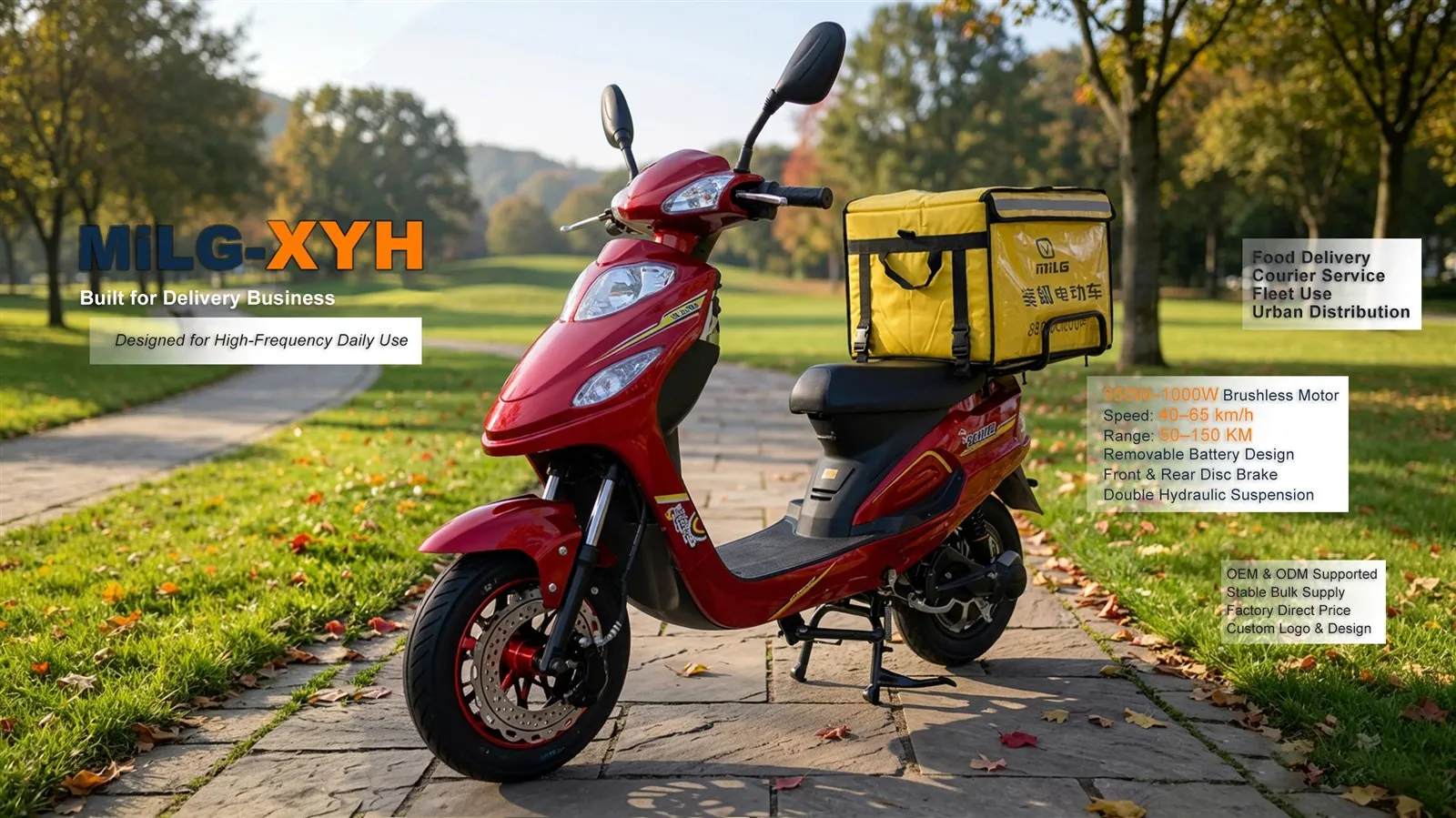
Urban Fleet Efficiency Favors Electric Motorcycles
Commercial transportation is increasingly concentrated in urban environments.
For many city-based operations, motorcycles are used for:
- short-distance transportation
- repeated delivery routes
- high-frequency daily operation
- congested traffic conditions
Electric motorcycles are particularly effective in these environments because they provide:
- instant torque delivery
- quiet operation
- easier low-speed maneuverability
- reduced idle energy waste
This operational profile aligns well with:
- food delivery
- parcel logistics
- municipal transportation
- resort mobility
- ride-sharing fleets
In many commercial cases, operational efficiency matters more than maximum top speed.
Regulatory Costs and Future Compliance
Government policy is becoming an increasingly important factor in fleet economics.
Cities worldwide are gradually introducing:
- low-emission zones
- fuel vehicle restrictions
- sustainability requirements
- environmental transportation targets
For some commercial operators, continuing to rely entirely on gasoline fleets may eventually create:
- higher regulatory costs
- restricted urban access
- operational limitations
Electric motorcycles are generally better aligned with evolving urban mobility regulations due to:
- zero tailpipe emissions
- quieter operation
- lower local environmental impact
In certain markets, electric vehicles may also qualify for:
- reduced registration fees
- local incentives
- operational advantages in restricted traffic zones
Which Option Makes More Sense for Commercial Fleets?
The answer depends heavily on usage conditions.
Gas Motorcycles Often Remain Suitable For:
- long-distance rural transportation
- areas with limited charging access
- extremely low initial budget purchasing
- regions with underdeveloped electric infrastructure
Electric Motorcycles Often Perform Better For:
- urban delivery fleets
- shared mobility operations
- tourism transportation
- municipal fleets
- high-frequency city riding
For commercial buyers, the decision is increasingly based on operational model rather than personal preference.
In many dense urban environments, electric motorcycles now offer stronger long-term operating economics despite higher upfront costs.
What Fleet Buyers Should Evaluate Before Purchasing
Before selecting either electric or gas motorcycles for commercial operations, buyers should evaluate:
Operating Environment
- Urban vs rural usage
- Daily mileage
- Charging access
- Traffic conditions
Fleet Economics
- Fuel or electricity pricing
- Maintenance labor costs
- Spare parts availability
- Downtime impact
Vehicle Durability
- Frame quality
- Waterproofing
- Battery protection
- Suspension performance
Supplier Capability
- OEM/ODM support
- Compliance documentation
- Technical support
- Production consistency
Professional procurement decisions are usually based on long-term operational stability, not only short-term purchase cost.
The Commercial Market Is Moving Toward Electrification
The transition from gas motorcycles to electric motorcycles is unlikely to happen overnight.
However, commercial fleet adoption is clearly accelerating in many regions due to:
- improving battery technology
- rising fuel costs
- urban policy changes
- growing demand for efficient last-mile transportation
For distributors and fleet operators, understanding TCO is becoming more important than following traditional assumptions about vehicle cost.
In many commercial applications, electric motorcycles are no longer simply an alternative option - they are increasingly becoming the more economically practical one.
For importers, distributors, and commercial fleet buyers looking for OEM/ODM electric motorcycle solutions, wholesale fleet supply, or long-term manufacturing partnerships, you can explore more at MiLG Official Website. The company focuses on electric motorcycles, scooters, and commercial electric mobility products for overseas B2B markets, with support for customization projects, bulk production, and factory visits for international buyers.


