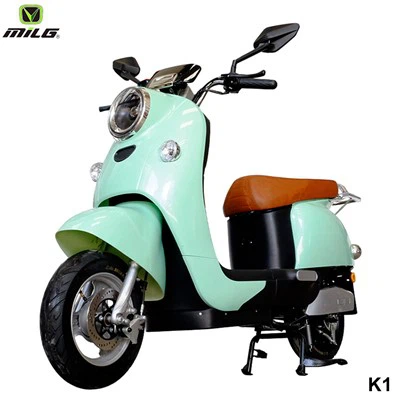
Are city electric bikes legal? This is a question that often comes up among both consumers and industry players like myself, a city electric bike supplier. In this blog post, I'll delve into the legal aspects of city electric bikes, drawing on my experience in the industry and the latest regulations.
Understanding the Basics of City Electric Bikes
City electric bikes, also known as e - bikes, are bicycles equipped with an electric motor that can assist the rider's pedaling. They come in various types, from Best Ebike Road Bike with 2 Seats designed for two riders to Lithium Battery Bicycle for Pets, which are convenient for pet owners. These bikes offer a great alternative to traditional bicycles, especially in urban areas where traffic congestion is a common problem.
Legal Frameworks Around the World
The legality of city electric bikes varies significantly from country to country and even from state to state within a country. In general, most regions have classified e - bikes into different categories based on their power output, speed capabilities, and the way the electric motor functions.
Europe
In Europe, the EEC (European Economic Community) has set a standard for electric bikes. The EEC City Electric Bike 1000W 32kmh is designed to meet these regulations. E - bikes with a maximum continuous rated power of 250 watts and a motor that stops assisting when the bike reaches 25 km/h are generally considered legal bicycles. They can be ridden on bike paths and do not require a license or insurance in most European countries. However, more powerful e - bikes may be classified as mopeds or motorcycles, which have different legal requirements, including registration, licensing, and insurance.
United States
In the United States, the legal status of e - bikes is determined at the state level. The federal government has classified e - bikes into three categories:
- Class 1: These are e - bikes with a motor that provides assistance only when the rider is pedaling and stops assisting at 20 mph (32 km/h).
- Class 2: E - bikes in this category have a throttle that can power the bike without pedaling, but the motor also stops assisting at 20 mph.
- Class 3: These e - bikes can assist the rider up to 28 mph (45 km/h) but only when the rider is pedaling.
Most states have adopted these classifications, but there are some variations. For example, some states may allow Class 1 and 2 e - bikes on bike paths, while others may restrict Class 3 e - bikes to roads. Additionally, some states may require riders of certain classes of e - bikes to wear helmets.
Asia
In Asia, countries like China and Japan have their own regulations. In China, e - bikes are extremely popular, and the government has set strict standards for their design and performance. E - bikes must have a maximum speed of 25 km/h and a maximum power output of 400 watts. In Japan, e - bikes are classified based on their power and speed, and riders may need to register their bikes and obtain a license for more powerful models.
Factors Affecting Legal Status
Several factors can affect the legal status of city electric bikes:
- Power Output: As mentioned earlier, the power of the electric motor is a crucial factor. Higher - powered motors may lead to the bike being classified as a moped or motorcycle rather than a bicycle.
- Speed Capability: The maximum speed at which the motor can assist the rider also plays a role. Bikes with higher speed capabilities are more likely to be subject to stricter regulations.
- Motor Function: Whether the motor provides assistance only when the rider is pedaling or can be powered by a throttle without pedaling can impact the bike's classification.
Ensuring Compliance
As a city electric bike supplier, I understand the importance of ensuring that our products comply with local regulations. We work closely with our design and engineering teams to ensure that our bikes meet the legal requirements of different regions. This includes testing the power output, speed capabilities, and motor function of each bike model.
We also provide clear information to our customers about the legal status of our bikes in their area. This helps them make informed decisions and avoid any legal issues when using our products.


The Future of City Electric Bike Regulations
As the popularity of city electric bikes continues to grow, we can expect to see more changes in the legal landscape. Governments around the world are likely to refine their regulations to ensure the safety of riders and other road users. This may include more detailed classification systems, stricter safety standards, and better enforcement of existing laws.
Conclusion
In conclusion, the legality of city electric bikes depends on a variety of factors and varies from region to region. As a supplier, I am committed to providing high - quality, compliant products to our customers. Whether you are interested in a Best Ebike Road Bike with 2 Seats, a Lithium Battery Bicycle for Pets, or an EEC City Electric Bike 1000W 32kmh, we can help you find a bike that meets your needs and complies with local laws.
If you are interested in purchasing city electric bikes for your business or personal use, I encourage you to contact us for more information and to discuss your specific requirements. We are always happy to assist you in finding the right bikes and ensuring a smooth purchasing process.
References
- European Commission. (2023). Regulations on Electric Bicycles in the EU.
- National Conference of State Legislatures. (2023). Electric Bicycle Laws in the United States.
- China Ministry of Industry and Information Technology. (2023). Standards for Electric Bicycles in China.
- Japan Ministry of Land, Infrastructure, Transport and Tourism. (2023). Regulations on Electric Bicycles in Japan.